Night Safaris in Kruger: What You Actually See After Dark
Categories
Tags
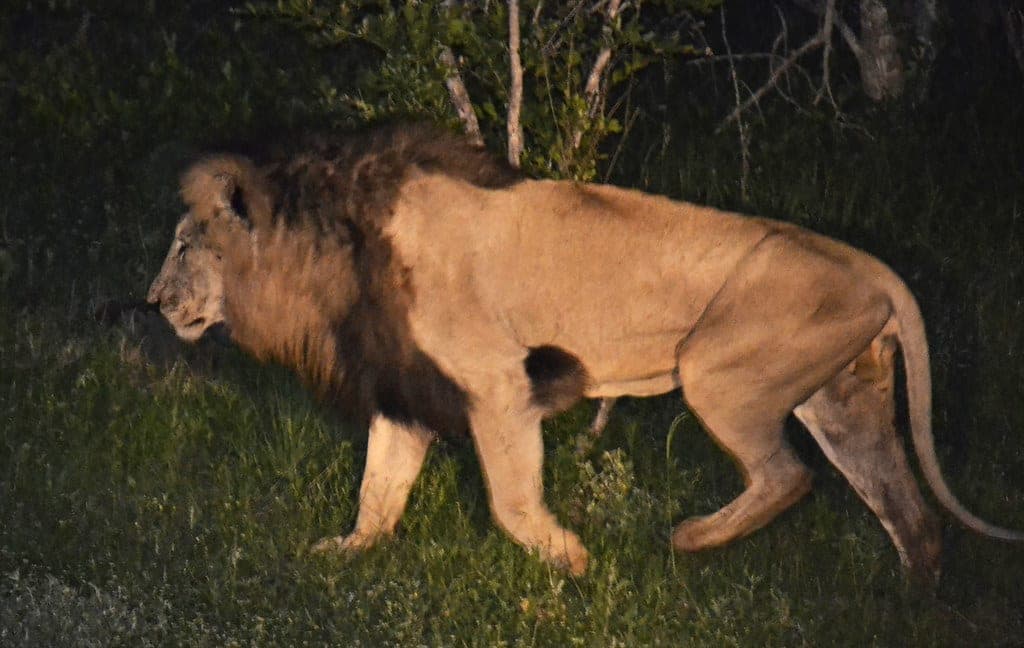
In Kruger National Park, self-driving after gate closing is prohibited — the only legal way to be out after dark is an official sunset or night drive run by rangers from the rest camps, or a stay at a private lodge with its own night drives. The open vehicles carry spotlights and go out for roughly two to three hours, turning up animals daylight visitors rarely see: genets, civets, bushbabies, owls, hyenas at work, and a genuinely better chance of leopard and lion activity, since most predator action happens at night. Book at your rest camp reception on arrival, or take a package that includes the night drive.
Why the park changes at night
Kruger's gates close at dusk and its roads empty of private cars — and then the actual shift change happens. Most of the park's predator activity, most of its small-carnivore traffic, and nearly all of its strangest creatures move at night. A day visitor sees Kruger's residents at rest; a night drive shows them at work.
Since self-driving after closing time is prohibited, the way in is one of two doors: the ranger-led sunset and night drives run from the rest camps in big open vehicles with spotlights, or a stay in a private lodge or reserve running its own night vehicles. This guide covers the first, which any Kruger itinerary can add.
How the drives work
You board an open-sided safari vehicle at your rest camp — Skukuza, Lower Sabie, Satara and the other main camps all run them — with a ranger at the wheel and handheld spotlights on board, sometimes passed to guests on each side. Sunset drives leave before dusk and run roughly three hours through the transition; night drives go out into full darkness for about two. The technique is eye-shine: sweeping beams catch the reflective glow of eyes long before you'd ever see the animal.
Book at camp reception when you arrive — or ahead in school holidays and peak winter weekends, when vehicles fill.
What you can realistically expect
The honest pitch: a night drive is a different show, not a second chance at the Big Five.
- Near-reliable: genets slinking along branches, civets trotting road edges, bushbabies leaping between trees, scrub hares in the beams, owls (Verreaux's eagle-owls on roadside perches are a classic), nightjars sitting on the warm tar.
- Common: spotted hyenas — at night you meet them purposeful and social rather than dozing; jackals; hippos out of the water grazing, a sight day visitors almost never get.
- The luck tier: lion and leopard, with genuinely better odds of seeing them active — patrolling, calling, hunting — than any midday sighting. Rarer still, the nocturnal unicorns: aardvark, pangolin, porcupine, serval. Guides get as excited as guests when these appear, which tells you the base rate.
The soundscape is half the experience: lions audible for kilometres, hyena whoops, the shriek of bushbabies — the Lowveld at night is not quiet.
Building it into a safari
If you're packaging a trip rather than self-driving, look for itineraries that include the ranger-led night component — it is the piece most first-time Kruger visitors don't realise they'd otherwise miss. Both South Africa safaris currently listed on Adventure Knit include it:
- 3-Day Safari with Night Drive — open-vehicle day safaris in Kruger National Park with a qualified guide, plus the night safari with Kruger park rangers.
- 5-Day Safari with Night Drive and Panorama Route Tour — the same core plus a boat safari, arrival via the Panorama Route's escarpment viewpoints, and Johannesburg transfers.
For daytime context, start with our Kruger National Park guide. Everything currently bookable in the country is on the South Africa tours page, and all guides live on the South Africa hub.
Practical notes
- Dress warmer than seems sane from about April to September — open vehicles at night in the Lowveld winter are properly cold; camps' blankets help but your own layers decide the evening.
- No personal torches or flash photography without the guide's go-ahead; photography at night is hard and the memory beats the photo.
- Take the sunset drive if you only take one — you get golden hour, the dusk change-over, and full darkness in a single outing.
- Manage expectations with kids: long dark stretches between sightings are normal; the spotlighting itself is the game.
- Malaria precautions apply in Kruger, especially in the wetter months — cover up at dusk and talk to a travel clinic about prophylaxis before the trip.
Frequently Asked Questions
No. Gate and camp times are enforced, and private vehicles must be inside a camp or out of the park by closing time. After dark the roads belong to official SANParks sunset and night drives with ranger guides, and to private reserves and lodges running their own vehicles — which is exactly why a guided night drive is worth building into an itinerary.
The reliable cast is the nocturnal small stuff daylight never shows: genets, civets, bushbabies, scrub hares, owls and nightjars, often chameleons picked out by trained eyes. Hyenas are commonly active, and your odds of seeing lion or leopard actually doing something — hunting, patrolling, calling — are better than at midday, though big cats remain luck. Treat the drive as a different show, not a guaranteed Big Five parade.
Sunset drives typically run around three hours across dusk into darkness; night drives roughly two hours in full dark. They are charged per person at rates that vary by camp and drive length — modest relative to safari costs. Book at your rest camp's reception when you arrive, or earlier in peak season; some packaged safaris include one.
Winter (May-September) is arguably the best season for them: early sunsets mean drives start at civilised hours, thin bush improves spotlighting, and cold nights increase animal movement. Bring serious warm layers — an open vehicle in a July night in the Lowveld is genuinely cold.
Guides sweep the roadside and try to catch eye-shine, avoiding holding beams on sensitive species or directly in animals' eyes — red filters are increasingly used. Guests should keep voices low, never use their own torches or camera flashes without the guide's say-so, and accept that some sightings are brief by design.
Adventure Knit Editorial
Destination research compiled and fact-checked by the Adventure Knit editorial team from published sources, operator itineraries, and official tourism boards. Spot something out of date? Tell us at hello@adventureknit.com.
Related Stories
 Tanzania
Lake Manyara National Park: Tree-Climbing Lions, Flamingos and the Groundwater Forest
A practical guide to Lake Manyara National Park, Tanzania: the famous tree-climbing lions, flamingo flocks on the soda lake, the groundwater forest, and how a half-day here fits a northern-circuit safari.
 Uganda
Murchison Falls National Park: Where the Nile Explodes Through a Seven-Metre Gap
A practical guide to Murchison Falls National Park, Uganda: the boat cruise to the falls, game drives on the northern bank, the top-of-the-falls hike, Ziwa's rhinos en route, and how it fits a Uganda safari.
 South Africa
The Panorama Route: South Africa's Great Escarpment Drive, Stop by Stop
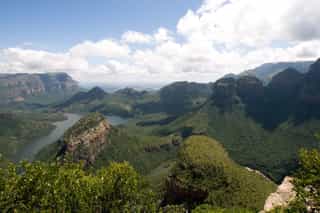
A practical guide to the Panorama Route in Mpumalanga: Blyde River Canyon, God's Window, the Three Rondavels and Bourke's Luck Potholes, how long the drive takes, and how to pair it with a Kruger safari.
Enjoyed this article?
Explore more stories from our adventures around the world