
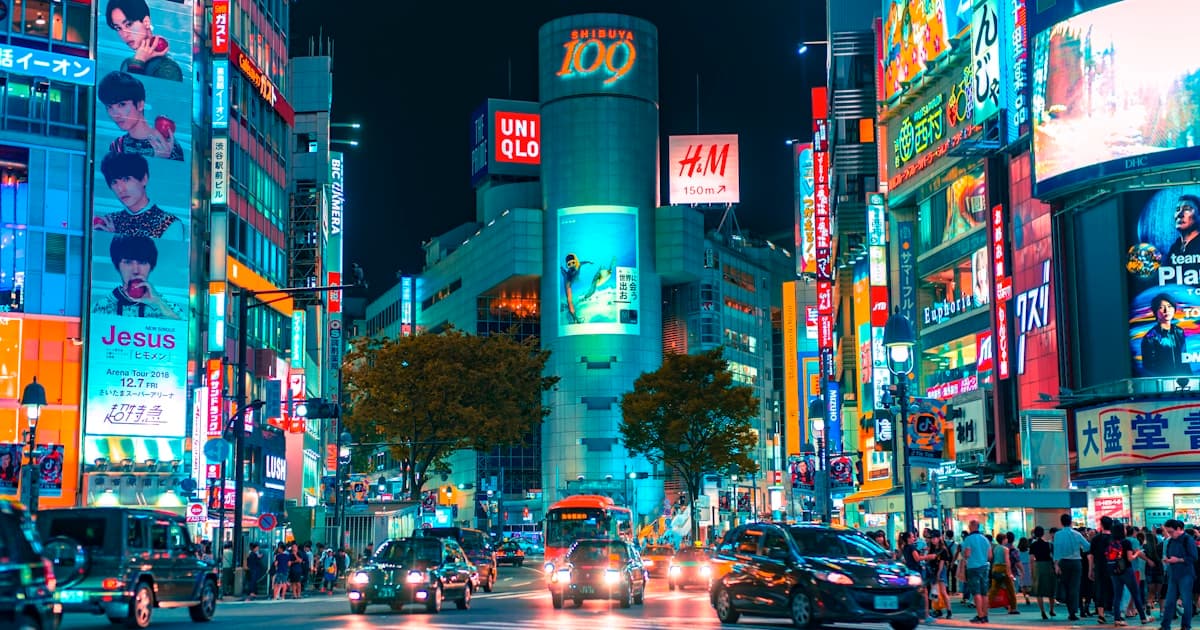
Seoul South Korea: Ultimate Metropolis Travel Guide
Categories
Tags
Seoul: Where 600 Years of History Meets Tomorrow
Welcome to Seoul, a city that defies expectations at every turn. This is where centuries-old palaces stand gleaming beside futuristic skyscrapers, where traditional hanok villages coexist with K-pop broadcasting studios, and where you can experience ancient Buddhist rituals in the morning and world-class nightlife after dark. As someone born and raised in this incredible city, I'm thrilled to show you the real Seoul—the dynamic, delicious, and deeply cultural metropolis that's captured the world's imagination.
Quick Facts at a Glance
- Best Time to Visit: April-June (cherry blossoms, pleasant weather), September-November (autumn colors)
- Visa: 90-day visa-free for 67 countries including US, UK, EU, Australia
- Time Zone: KST (UTC+9), no daylight saving
- Currency: South Korean Won (₩), cards widely accepted
- Language: Korean (English common in tourist areas, limited elsewhere)
- Recommended Duration: 4-7 days minimum
- Average Daily Budget: ₩80,000-200,000 ($60-150 USD)
- Getting Around: T-money card, efficient subway, affordable taxis
Why Visit Seoul?
What Makes Seoul Extraordinary:
- Perfect Past-Future Blend: Ancient palaces meet cutting-edge technology
- K-Culture Capital: Home of K-pop, K-drama, and Korean wave
- World's Best Food Scene: From street food to Michelin-starred restaurants
- Safe & Clean: One of Asia's safest and most organized cities
- Shopping Paradise: From luxury boutiques to quirky Dongdaemun markets
- 24/7 Culture: Late-night markets, karaoke, and gaming cafes
- Rich Heritage: Five grand palaces, temples, and traditional villages
- Digital Innovation: Fastest internet, smart city technology everywhere
Understanding Seoul's Districts
Seoul is massive, but these key districts will give you the perfect introduction to the city's diversity:
Gwanghwamun & Jongno: Historic Heart
Vibe: Traditional, cultural, governmental Best For: Palaces, museums, Korean history Must-Visit: Gyeongbokgung Palace, Bukchon Hanok Village, Insadong Stay Duration: 1-2 days
Myeongdong: Shopping & Street Food
Vibe: Bustling, commercial, vibrant Best For: Shopping, Korean skincare, street food Must-Visit: Myeongdong Shopping Street, N Seoul Tower Stay Duration: 1 day
Hongdae: Youth Culture & Arts
Vibe: Hip, energetic, artistic Best For: Nightlife, live music, trendy cafes Must-Visit: Hongdae shopping streets, Yonsei University, Hongik University Stay Duration: 1-2 days
Gangnam: Modern & Luxury
Vibe: Upscale, sophisticated, trendy Best For: Luxury shopping, fine dining, nightlife Must-Visit: COEX Mall, Gangnam Style statue, Bongeunsa Temple Stay Duration: 1 day
Itaewon: International Fusion
Vibe: Cosmopolitan, diverse, nightlife Best For: International cuisine, nightlife, shopping Must-Visit: Itaewon antique market, foreigner-friendly restaurants Stay Duration: 1 day
Perfect 5-Day Seoul Itinerary
Day 1: Traditional Seoul & Palaces
Morning (8:00-12:00):
- Gyeongbokgung Palace (arrive when it opens, 9:00 AM)
- Wear hanbok (Korean traditional dress) for free entry
- Join English tour at 11:00 AM
- Admission: ₩3,000 ($2.20 USD), Free with hanbok
- Don't miss: Geunjeongjeon Hall, Gyeonghoeru Pavilion
Afternoon (13:00-17:00):
- Bukchon Hanok Village
- Traditional Korean houses (hanok) from Joseon Dynasty
- Free to explore, photography encouraged
- Visit during weekdays to avoid crowds
- Stop at a traditional tea house (dabang)
- Insadong Traditional Street
- Traditional crafts, art galleries, souvenirs
- Try hotteok (sweet pancakes) and gimbap
- Visit Ssamzigil complex for unique Korean products
Evening (18:00-21:00):
- Dinner at Korean BBQ restaurant in Myeongdong
- Try bulgogi (marinated beef) or galbi (grilled ribs)
- Average cost: ₩15,000-25,000 ($11-19 USD) per person
Day 2: Modern Seoul & Shopping
Morning (9:00-13:00):
- N Seoul Tower (Namsan Tower)
- Take cable car up for panoramic city views
- Love locks area (popular romantic spot)
- Observatory: ₩16,000 ($12 USD) including cable car
- Best views at sunrise or sunset
- Myeongdong Shopping District
- Korean skincare and cosmetics (tax-free available)
- Fashion and accessories
- Don't miss: Myeongdong Kyoja (famous kalguksu noodles)
Afternoon (14:00-18:00):
- Dongdaemun Design Plaza (DDP)
- Futuristic architecture by Zaha Hadid
- Shopping, exhibitions, design markets
- Open late (some areas until 5:00 AM)
- Fashion and accessories at wholesale prices
- Namsangol Hanok Village
- Restored traditional Korean houses
- Free admission, cultural demonstrations
- Beautiful photo opportunities
Evening (19:00-23:00):
- Hongdae Nightlife
- Live music clubs and street performances
- Trendy cafes and bars
- YG Entertainment building (K-pop fans)
- Try dakgalbi (spicy stir-fried chicken)
Day 3: Culture & Museums
Morning (9:00-13:00):
- Changdeokgung Palace & Secret Garden
- UNESCO World Heritage Site
- Secret Garden tour (must reserve in advance)
- Palace: ₩3,000 ($2.20 USD) | Secret Garden: ₩8,000 ($6 USD)
- Don't miss: Buyongjeong Pavilion, Gwallamjeong
- National Museum of Korea
- Largest museum in Korea
- Free admission to permanent exhibitions
- Highlights: Silla crown, Goryeo celadon
- Allow 2-3 hours minimum
Afternoon (14:00-18:00):
- Leeum, Samsung Museum of Art
- Modern and traditional Korean art
- Design by three world-renowned architects
- Admission: ₩15,000 ($11 USD)
- Combine with hiking Namsan Mountain
Evening (19:00-22:00):
- Traditional Korean Performance
- Nanta Cooking Show (non-verbal comedy)
- Tickets: ₩60,000-80,000 ($45-60 USD)
- Fun, interactive, family-friendly
Day 4: K-Culture & Gangnam
Morning (9:00-13:00):
- COEX Mall & Starfield Library
- Asia's largest underground shopping mall
- Instagram-worthy library with 50,000+ books
- Free to explore, shopping from ₩5,000 ($4 USD)
- Don't miss: Kimchi Museum
- Gangnam Style Statue
- Iconic statue from PSY's viral song
- Perfect photo opportunity
- Free to visit
Afternoon (14:00-18:00):
- SM Entertainment COEX
- K-pop culture center
- Photo zones, merchandise, studio tours
- Visit SMTOWN COEX Atrium (free)
- Bongeunsa Temple
- Traditional Buddhist temple in modern Gangnam
- Free admission
- Beautiful contrast with surrounding skyscrapers
- Temple experience programs available
Evening (19:00-23:00):
- Gangnam Nightlife
- Upscale bars and clubs
- Luxury shopping at Gangnam Underground Shopping Center
- Korean cuisine at Gangnam-gu restaurants
Day 5: Hidden Gems & Departure
Morning (8:00-12:00):
- Gwangjang Market
- Traditional Korean street food market
- Try: bindaetteok (mung bean pancakes), mayak gimbap
- Featured on Anthony Bourdain's show
- Budget: ₩10,000-15,000 ($7-11 USD) for full meal
- Ikseon-dong Hanok Village
- Trendy neighborhood with traditional houses
- Hip cafes, boutiques, restaurants
- Great for Instagram-worthy photos
- Less crowded than Bukchon

Afternoon (13:00-17:00):
- Last-minute shopping or sightseeing
- Visit any missed attractions
- Souvenir shopping at Seoul Station
- Relax at a Korean jimjilbang (spa)
Korean Food: A Culinary Adventure
Korean cuisine is one of Asia's most diverse and flavorful. Here's what you must try:
Must-Try Dishes
Street Food Essentials:
- Tteokbokki - Spicy rice cakes
- Hotteok - Sweet pancakes
- Gimbap - Korean sushi rolls
- Mandu - Dumplings
- Gyeranppang - Egg bread
Traditional Dishes:
- Bibimbap - Mixed rice bowl with vegetables
- Bulgogi - Marinated beef
- Galbi - Grilled short ribs
- Samgyeopsal - Pork belly barbecue
- Kimchi Jjigae - Kimchi stew
Specialty Foods:
- Jajangmyeon - Korean-Chinese noodles (black bean sauce)
- Samgyetang - Ginseng chicken soup
- Jeon - Korean pancakes
- Naengmyeon - Cold noodles
Best Food Districts
Gwangjang Market: Traditional street food heaven Myeongdong: International and Korean street food Hongdae: Trendy cafes and fusion food Gangnam: Upscale restaurants and fine dining Ikseon-dong: Modern Hanok cafes and restaurants
• Wait for elders to start eating first
• Don't stick chopsticks vertically in rice (resembles death rituals)
• Accept food/drink with two hands from elders
• Say "jal meokgesseumnida" (I'll eat well) before meals
• Tipping is not customary in Korea
Practical Tips for Visiting Seoul
Getting Around Seoul
Subway System:
- Most efficient way to travel
- Clean, safe, and English-friendly
- T-money card: ₩2,500-5,000 ($2-4 USD) one-time purchase
- Single ride: ₩1,250-2,000 ($0.90-1.50 USD)
- Download Naver Map or KakaoMap (Google Maps limited in Korea)
Taxis:
- Easily hailed on streets
- Apps: KakaoTaxi (most popular), Uber
- Base fare: ₩3,800 ($2.80 USD)
- Most drivers speak basic English
- Cash and cards accepted
Accommodation Tips
Best Areas to Stay:
- Myeongdong: Tourist-friendly, great shopping
- Hongdae: Vibrant nightlife, near universities
- Gangnam: Upscale, business-oriented
- Jongno: Historic, traditional atmosphere
Accommodation Types:
- Hotels: ₩80,000-200,000+ ($60-150+ USD) per night
- Guesthouses: ₩30,000-70,000 ($22-52 USD) per night
- Hanok stays: ₩60,000-150,000 ($45-112 USD) per night
- Hostels: ₩20,000-40,000 ($15-30 USD) per night
Budget Breakdown (Per Day)
Budget Traveler:
- Accommodation: ₩20,000-30,000 ($15-22 USD)
- Food: ₩15,000-20,000 ($11-15 USD)
- Transport: ₩5,000-8,000 ($4-6 USD)
- Activities: ₩10,000-15,000 ($7-11 USD)
- Total: ₩50,000-73,000 ($37-54 USD)
Mid-Range Traveler:
- Accommodation: ₩60,000-100,000 ($45-75 USD)
- Food: ₩30,000-40,000 ($22-30 USD)
- Transport: ₩8,000-12,000 ($6-9 USD)
- Activities: ₩20,000-30,000 ($15-22 USD)
- Total: ₩118,000-182,000 ($88-136 USD)
Important Things to Know
Connectivity:
- Free Wi-Fi widely available
- Buy SIM card at airport: ₩30,000-50,000 ($22-37 USD)
- Portable Wi-Fi rental: ₩5,000-8,000 ($4-6 USD) per day
Best Time to Visit:
- Spring (April-June): Cherry blossoms, mild weather (15-20°C)
- Autumn (September-November): Beautiful foliage, comfortable (18-23°C)
- Summer (July-August): Hot, humid, rainy season (25-30°C)
- Winter (December-February): Cold, snowy, great for skiing (-5 to 5°C)
Language:
- Korean (Hangul) is the official language
- English common in tourist areas
- Learn basic phrases: 안녕하세요 (Annyeonghaseyo - Hello), 감사합니다 (Gamsahamnida - Thank you)
- Translation apps: Google Translate, Papago
Cultural Etiquette & Tips
Do's and Don'ts
Do:
- Remove shoes when entering homes and some restaurants
- Bow slightly when greeting people
- Use two hands when giving/receiving items from elders
- Try to learn basic Korean phrases
- Keep public spaces clean
- Respect queue lines
Don't:
- Blow your nose loudly in public
- Stare at people
- Touch someone's head (especially elders)
- Write names in red ink (symbol of death)
- Take photos in temples during prayers
- Use phones during performances or ceremonies
Weather Preparedness
Spring: Pack layers, light jacket, comfortable walking shoes Summer: Light, breathable clothing, rain gear, sunscreen Autumn: Layers, light jacket, umbrella Winter: Warm coat, gloves, scarf, thermal underwear, waterproof boots
Hidden Gems & Local Secrets
Off the Beaten Path
Seongbuk-dong: Traditional neighborhood with artist cafes Eunpyeong Hanok Village: Less crowded hanok experience Yeouido Park: Cherry blossom paradise in spring Noryangjin Fish Market: Early morning seafood auction Yangjaecheon Stream: Beautiful walking and cycling path
Local Experiences
Jimjilbang Experience:
- Korean bathhouse and spa
- Open 24 hours, perfect for jet lag recovery
- Cost: ₩10,000-15,000 ($7-11 USD)
- Bring your own towel or rent one
Noraebang (Karaoke):
- Korean singing culture
- Private rooms for groups
- Cost: ₩15,000-25,000 ($11-19 USD) per hour
- Great with friends after dinner
PC Bang (Internet Cafe):
- High-speed gaming and internet access
- Open 24 hours
- Cost: ₩1,000-2,000 ($0.75-1.50 USD) per hour
- Try Korean snacks and ramen
Day Trips from Seoul
DMZ (Demilitarized Zone)
Distance: 1.5-2 hours from Seoul What to See: Joint Security Area, 3rd Infiltration Tunnel, Dora Observatory Tour Cost: ₩50,000-80,000 ($37-60 USD) Must-Do: See the border between North and South Korea
Nami Island
Distance: 1.5 hours from Seoul What to Do: Stroll through tree-lined paths, winter sledding Cost: ₩13,000 ($10 USD) entrance fee Famous: Filming location for "Winter Sonata" K-drama
Suwon Hwaseong Fortress
Distance: 1 hour from Seoul What to See: UNESCO World Heritage fortress walls Cost: ₩3,000-5,000 ($2-4 USD) various areas Best: Hike along the fortress walls for panoramic views
Final Tips for Your Seoul Adventure
- Download Essential Apps: KakaoTalk (messaging), Naver Map (navigation), Kakao Taxi (transport)
- Carry Cash: While cards are accepted, some street vendors prefer cash
- Book in Advance: Popular restaurants, palace tours, and shows can sell out
- Wear Comfortable Shoes: Seoul is a walking city with many hills and stairs
- Stay Flexible: Seoul weather can change quickly, always have backup plans
- Respect Quiet Hours: Many apartments have noise restrictions after 10 PM
- Try Everything: Korean food and culture are meant to be experienced firsthand
Conclusion: Seoul Awaits
Seoul is more than just a destination—it's an experience that will transform how you see Asian culture and modern urban life. From the moment you arrive at Incheon Airport (voted world's best multiple times) to your last bite of spicy tteokbokki, Seoul will captivate you with its energy, flavors, and endless discoveries.
Whether you're here for the palaces, the K-pop, the food, or the shopping, Seoul delivers on every level. It's a city that rewards curiosity, embraces diversity, and welcomes visitors with open arms. The perfect blend of old and new, tradition and innovation, Seoul offers something for every type of traveler.
Pack your bags, charge your phone, and get ready for an adventure in one of Asia's most fascinating cities. Seoul is waiting for you—and trust me, it's going to be unforgettable.
Quick Reference Phone Numbers & Websites
Emergency: 119 (police/fire), 1339 (medical translation) Tourist Information: 1330 (available in Korean, English, Japanese, Chinese) Korea Tourism Organization: visitkorea.or.kr Seoul Tourism: visitseoul.net
Transportation:
- Incheon Airport: +82-1577-2600
- Subway Information: 1330
- Kakao Taxi: Available through app
Palaces (English Tours):
- Gyeongbokgung: 10:00, 11:00, 13:00, 14:00
- Changdeokgung: 10:30, 14:30 (Secret Garden requires advance booking)
- Deoksugung: 11:00, 13:30, 15:30
- Changgyeonggung: 11:00, 15:00
안녕! (Goodbye and see you in Seoul!)
Adventure Knit Editorial
Destination research compiled and fact-checked by the Adventure Knit editorial team from published sources, operator itineraries, and official tourism boards. Spot something out of date? Tell us at hello@adventureknit.com.
Related Stories
 United States
New York City USA: Ultimate Big Apple Travel Guide
Complete NYC travel guide covering Manhattan, Brooklyn, Broadway shows, world-class dining, and hidden gems. Expert tips for your perfect New York adventure.
 Japan
JapanTokyo Japan: Ultimate Metropolis Travel Guide
Complete Tokyo travel guide covering neon districts, ancient temples, Michelin dining, and hidden alleys. Expert tips for your perfect Japan adventure.
 Cuba
CubaCuba Travel Guide: Havana, Viñales & Beyond
Complete Cuba travel guide covering Havana's old city, Viñales tobacco country, colonial Trinidad, Varadero beaches, Santiago de Cuba, and practical tips on money, visas, and casas particulares.
Enjoyed this article?
Explore more stories from our adventures around the world