
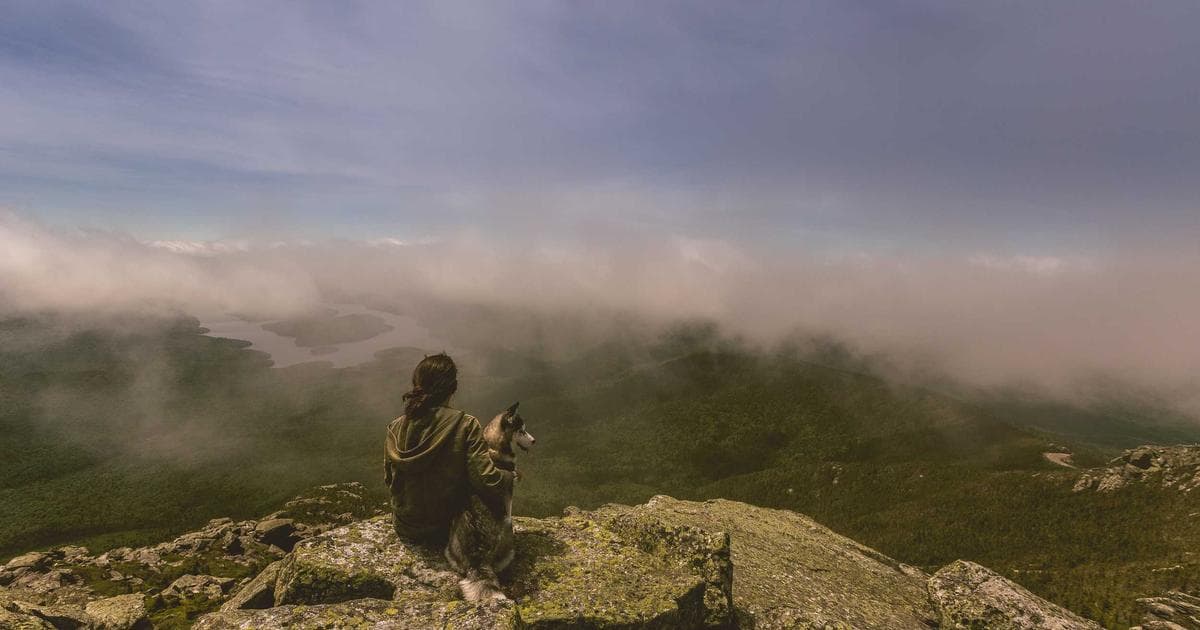
Lake Baikal: Frozen Ice Formations & Siberian Adventure
Categories
Tags
Lake Baikal in Siberia, the world's deepest and oldest lake, freezes over each winter into crystal-clear ice with visibility of up to 40 meters, at its best from January to March. Reaching it means flying to Irkutsk, then driving about an hour to Listvyanka on the southern shore, and a Russian visa is required. Plan 7 to 12 days and a budget of roughly 150 to 400 dollars per day to explore ice caves, drive the ice road to Olkhon Island, and see the endemic nerpa seals.
Lake Baikal: Where Earth's Deepest Lake Becomes a Crystal Ice Kingdom
Lake Baikal in winter transforms into something that shouldn't exist—a vast, frozen expanse of crystal-clear ice so transparent you can see 40 meters down to the lake floor, ice caves glowing with turquoise light, and pressure ridges rising like frozen mountains.
Quick Facts at a Glance
- Best Time to Visit: January-March (ice thickest, clearest)
- Visa: Russian visa required (e-visa available for many countries)
- Recommended Duration: 7-12 days
- Must-Visit Areas: Listvyanka, Olkhon Island, Khuzhir, Baikal Railway, Severobaikalsk
- Average Daily Budget: $150-400 (depending on accommodations and activities)
- Getting There: Flight to Irkutsk, then 1 hour drive to Lake Baikal
Why Visit Lake Baikal in Winter?
What Makes Baikal Ice Extraordinary:
- Crystal Clear Ice: Visibility up to 40 meters, clearest natural ice on Earth
- Unique Ice Formations: Turquoise patterns, pressure ridges, hummocks
- Oldest Lake: 25-30 million years old, UNESCO World Heritage
- Deepest Lake: Maximum depth 1,642 meters, holds 20% of world's unfrozen fresh water
- Nerpa Seals: World's only exclusively freshwater seal species
- Ice Caves: Spectacular frozen caves and ice grottoes
- Baikal Railway: Historic railway with stunning frozen scenery
- Siberian Culture: Experience authentic Buryat and Russian traditions
Lake Baikal's Geographic Regions
Listvyanka (Southern Baikal)
Vibe: Tourist gateway, Baikal Museum, ice fishing villages Best For: First-time visitors, ice fishing, cultural experiences Highlights:
- Baikal Limnological Museum: Learn about the lake's unique ecosystem
- Shaman Rock: Sacred Buryat site
- Chersky Peak: Panoramic views over frozen lake
- Access: 1 hour from Irkutsk, year-round road
- Ice Thickness: 80-100cm (safe for vehicles)
- Accommodation: Best range of hotels on Baikal
Olkhon Island (Central Baikal)
Vibe: Sacred island, dramatic landscapes, shamanic sites Best For: Photography, wilderness experience, cultural immersion Highlights:
- Khoboy Cape: Most photographed spot on Baikal
- Shaman Rock: Sacred Buryat power place
- Khuzhir Village: Main settlement, Buryat culture
- Ice Roads: Drive on frozen lake to island (Jan-Mar)
- Access: Ice road from mainland (5 hours) or ferry in summer
- Note: Considered spiritual center of Lake Baikal
Northern Baikal (Severobaikalsk)
Vibe: Remote wilderness, pristine ice, wildlife encounters Best For: Adventure seekers, photographers, wildlife watching Highlights:
- Ushkany Islands: Nerpa seal rookeries
- Yarki Island: Ice caves and formations
- Northern Baikal Railway: Historic railway tunnels
- Access: Train from Irkutsk (12-14 hours)
- Crowds: Minimal, true wilderness experience
- Best For: Hardcore winter adventures
Barguzin Valley (Eastern Baikal)
Vibe: Hot springs, frozen waterfalls, traditional villages Best For: Wellness activities, cultural experiences, ice climbing Highlights:
- Goryachinsk Hot Springs: Natural thermal pools
- Barguzin Nature Reserve: Siberian wilderness
- Frozen Waterfalls: Ice climbing opportunities
- Traditional Villages: Old Believer communities
- Access: 4x4 or snowmobile from Severobaikalsk
Perfect 10-Day Lake Baikal Winter Adventure Itinerary
Day 1: Arrival in Irkutsk & Listvyanka
- Morning: Arrive at Irkutsk Airport (IKT)
- Afternoon: Transfer to Listvyanka (1 hour drive)
- Activity: Visit Baikal Limnological Museum
- Evening: Check into hotel, welcome dinner
- Highlight: First views of frozen Lake Baikal
- Accommodation: Hotel Baikal Terema ($100-150/night)
Day 2: Listvyanka Ice Adventure
- 8:00 AM: Transfer to ice fishing area
- 9:00 AM: Ice fishing with local fishermen
- 11:00 AM: Learn traditional techniques
- 12:00 PM: Omul fish lunch (local specialty)
- 2:00 PM: Explore ice caves and grottoes
- 4:00 PM: Visit Chersky Peak viewpoint
- 6:00 PM: Sunset photography on ice
- Evening: Russian banya (sauna) experience
- Pro Tip: Wear warm layers (wind chill on ice is significant)
Day 3: Baikal Railway & Ice Formations
- 7:00 AM: Drive to Slyudyanka (Baikal Railway)
- 8:30 AM: Explore historic railway tunnels
- 10:00 AM: Walk on frozen shoreline near railway
- 12:00 PM: Picnic lunch with lake views
- 2:00 PM: Visit railway museum
- 4:00 PM: Return to Listvyanka
- Evening: Traditional Russian dinner
- Highlight: Unique combination of railway and ice scenery
Day 4: Journey to Olkhon Island
- 7:00 AM: Drive to ice road starting point
- 8:30 AM: Begin ice road journey (5 hours)
- Route: Drive on frozen Lake Baikal to Olkhon
- Scenery: Stunning ice formations and mountains
- 1:30 PM: Arrive in Khuzhir (main village)
- Afternoon: Explore village, check into guesthouse
- Evening: Sunset at Shaman Rock
- Accommodation: Nikita's Homestead (famous guesthouse)
- Pro Tip: Ice road only open January-March
Day 5: Olkhon Island North Shore
- 8:00 AM: 4x4 expedition to northern shore
- 9:30 AM: Explore Cape Khoboy (most photographed spot)
- 11:00 AM: Visit Uzury village and ice caves
- 12:30 PM: Picnic lunch on frozen shore
- 2:00 PM: Explore ice hummocks and pressure ridges
- 4:00 PM: Visit Three Brothers rock formation
- 6:00 PM: Return to Khuzhir
- Highlight: Spectacular ice cave photography
Day 6: Olkhon Island Full Day Exploration
- 8:00 AM: Visit local Buryat family
- 9:00 AM: Learn about shamanic traditions
- 10:30 AM: Visit sacred sites and shrines
- 12:00 PM: Traditional Buryat lunch
- 2:00 PM: Explore southern Olkhon ice formations
- 4:00 PM: Sunset photography at Sagan-Khushun cape
- Evening: Traditional Buryat storytelling
- Cultural Insight: Olkhon considered sacred by Buryats
Day 7: Return to Mainland & Ust-Barguzin
- 7:00 AM: Ice road return journey
- 12:00 PM: Arrive at mainland, drive to Ust-Barguzin
- 2:00 PM: Check into hotel
- 3:30 PM: Visit Barguzin Valley
- 5:00 PM: Explore frozen waterfalls
- Evening: Hot springs experience
- Accommodation: Ust-Barguzin Hotel ($80-120/night)
- Pro Tip: Hot springs perfect after ice road journey
Day 8: Northern Baikal Railway
- 7:00 AM: Drive to Northern Baikal Railway
- 8:30 AM: Explore historic railway tunnels and bridges
- 10:00 AM: Walk on frozen lake at railway points
- 12:00 PM: Lunch at railway station
- 2:00 PM: Visit Yarki Island ice caves
- 4:00 PM: Nerpa seal watching area
- 6:00 PM: Return to Ust-Barguzin
- Highlight: Historic railway with frozen scenery
Day 9: Ushkany Islands & Nerpa Seals
- 6:00 AM: Early departure for ice tour
- 8:00 AM: Snowmobile or hovercraft to Ushkany Islands
- 10:00 AM: Nerpa seal rookery observation
- 12:00 PM: Picnic on ice
- 2:00 PM: Explore ice formations around islands
- 4:00 PM: Return to mainland
- Evening: Farewell dinner
- Highlight: Close encounters with Baikal seals
- Note: Limited permits, book well in advance
Day 10: Departure
- Morning: Last views of Lake Baikal
- 11:00 AM: Transfer to Irkutsk Airport
- Flight: Depart for Moscow or connecting city
- Memories: Crystal ice, turquoise formations, Siberian wilderness
Baikal's Spectacular Ice Formations
Crystal Clear Ice
What Makes It Special:
- Visibility up to 40 meters down
- So clear it's like looking through glass
- Forms when water freezes slowly without disturbance
- Best conditions: February-March, calm winds
- Photography: Under-ice photography possible (with guide)
- Safety: Always check ice thickness before venturing
Turquoise Ice Patterns
Formation Process:
- Methane bubbles trapped in ice create patterns
- Sunlight reflects creating turquoise colors
- Temperature variations create geometric designs
- Best seen in February-March
- Best Spots: Olkhon Island, Listvyanka, Northern Baikal
- Photography: Use polarizing filter to enhance colors
Pressure Ridges (Hummocks)
What They Are:
- Ice pushed up by expansion and wind
- Can reach 5-15 meters high
- Create mountain-like ice formations
- Spectacular to photograph and explore
- Best Viewing: Northern and Central Baikal
- Warning: Always explore with guide (unstable areas)
Ice Caves and Grottoes
Formation:
- Created by waves and wind before lake freezes
- Ice stalactites and formations inside
- Lit by sunlight creating magical atmosphere
- Best Spots: Listvyanka, Olkhon Island, Yarki Island
- Access: January-March only
- Safety: Always explore with guide (collapse risk)
Ice "Smiles" (Frost Flowers)
What They Are:
- Delicate ice crystals on frozen surface
- Form under specific humidity conditions
- Fragile, melt quickly with sun
- Best Conditions: Cold mornings (-20°C or colder)
- Photography: Macro lens, early morning
- Rarity: Not always present, lucky to see
Baikal's Unique Wildlife
Nerpa Seals (Baikal Seals)
Species Facts:
- World's only exclusively freshwater seal
- Endemic to Lake Baikal
- Population: 80,000-100,000
- Can stay underwater up to 70 minutes
- Can dive to 300 meters depth
Best Viewing Spots:
- Ushkany Islands: Largest rookeries (accessible by tour)
- Olkhon Island: Occasional sightings
- Northern Baikal: Winter feeding areas
Viewing Tips:
- Respect minimum distance (no approaching)
- Use binoculars or telephoto lens
- Never disturb pups or mothers
- Early morning best for activity
- Ethics: Observe, don't interact
Photography:
- Equipment: 400mm+ telephoto lens
- Fast shutter (seals move quickly)
- Low ISO (ice reflects light)
- Remember: Never approach closer than 50 meters
Other Baikal Wildlife:
- Baikal Omul: Endemic fish species (try smoked!)
- Golomyanka: Transparent fish, endemic to Baikal
- Siberian Sturgeon: Ancient species
- Birds: White-tailed eagles, Siberian jays
- Mammals: Wolves, bears (in surrounding forests)
Ice Activities & Adventures
Ice Driving
What It Is:
- Driving on frozen Lake Baikal
- Ice roads connect islands and mainland
- Safest ice thickness: 80-100cm+ (January-March)
- Routes: Listvyanka-Olkhon, Ust-Barguzin-Ushkany
- Vehicles: 4x4 vehicles with proper tires
- Safety: Always follow local guide
Ice Fishing
Traditional Baikal Activity:
- Fish through holes in ice
- Target species: Omul, grayling, perch
- Equipment: Simple hand auger and line
- Best Spots: Listvyanka, Northern Baikal
- Experience: Can be arranged with local fishermen
- Success: Not guaranteed (that's fishing!)
- Cultural: Learn traditional techniques
Ice Skating
Unique Experience:
- Skate on world's clearest ice
- See fish and rocks beneath you
- Best Locations: Smooth ice areas near settlements
- Equipment: Can rent or bring own
- Safety: Stay in designated areas
- Highlight: Like skating on glass
Ice Climbing
For Adventurers:
- Climb frozen waterfalls and ice walls
- Best Locations: Barguzin Valley, Northern Baikal
- Difficulty: Beginner to advanced routes
- Equipment: Provided by tour operators
- Season: January-March
- Experience: Can include instruction
Snowmobiling
Explore Remote Areas:
- Access remote ice formations
- Rentals: Available in Listvyanka, Ust-Barguzin
- Routes: Follow established trails
- Safety: Wear helmet, stay with guide
- Experience: Thrilling way to see Baikal
Getting to Lake Baikal
International Access:
Primary Gateway: Irkutsk, Siberia
Flight Options:
- From Moscow: Aeroflot, S7 Airlines (5.5 hours)
- From Beijing: China Southern (2.5 hours)
- From Seoul: Korean Air (4 hours)
- From Vladivostok: Aeroflot (2 hours)
Russian Domestic Flights:
- Connect through Moscow, Novosibirsk, or Krasnoyarsk
- Flights available year-round
- Weather delays possible in winter
Local Transportation:
- Irkutsk to Listvyanka: Bus, minivan, or taxi (1 hour)
- Listvyanka to Olkhon: Ice road in winter (5 hours), ferry in summer
- Train to Northern Baikal: From Irkutsk (12-14 hours)
- 4x4 Expeditions: Essential for exploring remote areas
Booking Tips:
- Book flights and accommodations 2-3 months ahead (high season)
- Winter tours book quickly (January-March)
- Consider travel insurance (winter weather delays)
- Book through reputable tour operators for ice activities
Where to Stay Around Baikal
Listvyanka (Southern Baikal)
Luxury Options:
- Hotel Baikal Terema: $100-150/night, lake views
- Baikal Hotel: $80-120/night, central location
Mid-Range:
- Guest House Mayak: $40-70/night
- U Angara Hotel: $50-80/night
Olkhon Island
Famous Option:
- Nikita's Homestead: $50-100/night
- Legendary guesthouse, started tourism on Olkhon
- Buryat owner, cultural experience
- Organizes all activities
- Book months ahead!
Other Options:
- Guest Houses: $30-60/night
- Camping: Available (winter only experienced)
Ust-Barguzin (Northern Baikal)
Accommodations:
- Ust-Barguzin Hotel: $80-120/night
- Guest Houses: $40-70/night
- Camping: Available (for experienced winter campers)
Irkutsk City
Base Camp:
- Hotel Angara: $80-150/night
- Courtyard by Marriott: $120-200/night
- Hostels: $15-30/night
Weather & Seasonal Guide
Peak Winter Season (January-March)
Pros: Ice thickest and clearest, all activities available, stunning formations Cons: Extreme cold (-20 to -35°C), fewer daylight hours (8-9 hours) Best For: Everything - this is prime season
Temperature Reality:
- Daytime: -15°C to -25°C
- Night: -25°C to -35°C
- Windchill: Can feel like -50°C on ice
- Proper Gear: Absolutely essential!
Shoulder Seasons (November-December, April)
Pros: Fewer crowds, cheaper prices Cons: Ice not fully formed or melting, limited activities Best For: Budget travelers, photographers willing to risk conditions
Summer Season (June-August)
Pros: Warm weather (15-25°C), ferry access, hiking Cons: No ice formations, different experience Best For: Summer activities, wildlife watching
Weather Realities:
- Cold: Siberian winter is seriously cold
- Wind: Lake Baikal creates significant wind chill
- Snow: Moderate, ice is main feature
- Sunlight: Short days in winter (8-9 hours)
- Unpredictable: Weather can change quickly
Baikal Food Guide
Must-Try Local Dishes:
- Smoked Omul Fish
- Endemic Baikal fish species
- Smoked over alder wood
- Delicate flavor, prized delicacy
- Try at Listvyanka market
- Siberian Pelmeni
- Dumplings with meat filling
- Traditional winter food
- Served with sour cream
- Hearty and warming
- Stroganina
- Raw frozen fish sliced thin
- Traditional Arctic dish
- Served with spices
- Acquired taste
- Buryat Buuzy
- Meat-filled dumplings
- Traditional Buryat cuisine
- Juicy and filling
- Try on Olkhon Island
- Baikal Salmon (Nelma)
- White salmon species
- Smoked or grilled
- Delicious and expensive
- Special occasion dish
Where to Eat:
Listvyanka:
- Baikal Terema Restaurant: Hotel restaurant, good food
- Market Area: Fresh smoked fish stalls
- Cafés: Russian and Buryat cuisine
Olkhon Island:
- Nikita's Homestead: Included with stay
- Local Cafés: Basic but authentic
Irkutsk:
- Restaurant Buryatia: Traditional Buryat cuisine
- Restaurant Podzolov: Russian fine dining
- Café Culture: Many modern cafés in city center
Drinking Culture:
- Vodka: Traditional Russian spirit (moderation!)
- Chai (Tea): Consumed constantly
- Kvas: Fermented bread drink
- Local Beer: Baikal brewery produces good beer
- Hot Tea: Essential in winter
Essential Packing List
Clothing (Critical for Siberian Winter):
- Base Layer: Merino wool thermal underwear (top and bottom)
- Mid Layer: Fleece jacket or sweater
- Insulation: Down jacket or parka (rated -30°C)
- Outer Layer: Waterproof and windproof jacket and pants
- Legs: Insulated snow pants
- Head: Warm hat (must cover ears), balaclava
- Neck: Buff or scarf
- Hands: Heavy gloves + liner gloves
- Feet: Insulated winter boots (rated -40°C), thick wool socks
- Eyes: Goggles for wind protection
- Face: Sunglasses with UV protection (snow glare intense)
Activity-Specific Gear:
- Ice Activities: Ice cleats or crampons (optional)
- Photography: Camera batteries (cold drains them fast), lens cleaner
- Driving: Warm clothes for vehicle breakdowns
- Camping: Four-season sleeping bag, camping pad (if camping)
- General: Hand and foot warmers, lip balm, moisturizer
Miscellaneous:
- Power Bank: 10,000 mAh minimum (cold drains batteries)
- Headlamp: For early starts and winter evenings
- Water Bottle: Insulated (water will freeze in regular bottle)
- Sunscreen: Snow reflection increases UV exposure
- Lip Balm: Essential in cold, dry air
- Hand Warmers: Disposable or rechargeable
- Tissues: Tissues or toilet paper (facilities limited)
- Cash: Many places don't accept cards
- Medications: Personal prescriptions and cold medicine
Photography Guide: Capturing Baikal's Ice
Best Shots & Locations:
- Turquoise Ice at Olkhon Island
- Time: Sunrise or sunset (golden hour)
- Location: Khoboy Cape, Sagan-Khushun
- Equipment: Wide-angle lens, polarizing filter
- Tips: Low angle shots, include ice texture
- Crystal Clear Ice Transparency
- Time: Mid-morning or afternoon (sunlight penetration)
- Location: Listvyanka, Northern Baikal
- Equipment: Polarizing filter, tripod
- Tips: Shoot from low angle, look for interesting underwater features
- Ice Caves and Grottoes
- Time: Mid-morning (best light inside)
- Location: Listvyanka, Yarki Island
- Equipment: Wide-angle lens, tripod, flashlight for details
- Tips: Long exposures for magical light effects
- Pressure Ridges (Hummocks)
- Time: Sunrise or sunset
- Location: Northern and Central Baikal
- Equipment: Wide-angle to telephoto lens
- Tips: Include human for scale, dramatic lighting
- Nerpa Seals on Ice
- Time: Early morning
- Location: Ushkany Islands, Olkhon
- Equipment: 400mm+ telephoto lens
- Ethics: Never approach, long distance only
Camera Settings Tips:
- Ice Patterns: f/8-11 for depth of field, ISO 100-200
- Ice Caves: f/8-16, tripod essential, bracket exposures
- Sunrise/Sunset: Graduated ND filter, golden hour magic
- Wildlife: Fast shutter (1/1000+), telephoto lens
- General: Keep batteries warm (close to body)
Winter Photography Challenges:
- Battery Life: Cold drains batteries 50% faster
- Condensation: Gradual temperature changes prevent fogging
- Gloves: Use photography gloves or liners
- Tripod: Metal tripods become too cold to touch
- Camera Settings: Practice in cold before going on ice
Safety & Survival in Siberian Winter
Cold Weather Safety:
- Wind Chill: Can feel 10-20°C colder than actual temperature
- Frostbite: Can occur in minutes on exposed skin
- Hypothermia: Can develop even with good gear
- Signs: Numbness, confusion, shivering (stop shivering = emergency)
Frostbite Prevention:
- Cover all exposed skin
- Never remove gloves outside
- Check for numbness regularly
- Warm up immediately if feeling cold
- Carry hand and foot warmers
Ice Safety:
- Ice Thickness: Only go on ice with local guide
- Ice Roads: Only travel on established routes
- Pressure Ridges: Never climb without guide (unstable)
- Ice Caves: Always explore with professional (collapse risk)
- Emergency: Carry satellite phone or tracker
Vehicle Safety (if driving):
- Equipment: Shovel, tow rope, emergency supplies
- Fuel: Keep tank full (stations limited)
- Phone: No cell service on lake
- Backup: Always travel in convoy
Medical Considerations:
- Facilities: Limited in rural areas
- Insurance: Must include medical evacuation
- Medications: Bring full supply
- Conditions: Cold-related illnesses possible
- Emergency: Evacuation expensive and time-consuming
Cultural Insights & Etiquette
Buryat People:
- Origin: Indigenous Siberian people
- Language: Buryat and Russian
- Religion: Mix of Buddhism and shamanism
- Hospitality: Warm and welcoming to visitors
Russian Siberian Culture:
- Resilience: Adapted to harsh conditions
- Hospitality: Tea, food, warmth always offered
- Simpler Life: Connected to nature
- Traditions: Strong cultural identity
Cultural Etiquette:
- Respect Sacred Sites: Shaman rocks and shrines
- Ask Before Photographing: People and ceremonies
- Remove Shoes: When entering homes
- Greetings: "Zdravstvuyte" (hello) and handshake
- Toasting: Participate in vodka toasts if offered
- Dress Modestly: In villages and religious sites
Traditional Practices:
- Shamanism: Respect sacred rocks and sites
- Fishing: Traditional methods, sustainable
- Banya: Russian sauna ritual (try it!)
- Storytelling: Rich oral tradition
- Crafts: Wood carving, traditional clothing
Conservation & Sustainability
Current Challenges:
- Climate Change: Warming affecting ice formation
- Tourism Pressure: Increasing visitor numbers
- Industrial Pollution: Historical and ongoing
- Invasive Species: Threatening native ecosystem
- Overfishing: Some species overharvested
Conservation Efforts:
- UNESCO Protection: World Heritage site since 1996
- Baikal Nature Reserve: Protected areas
- Sustainable Tourism: Growing awareness
- Research: Ongoing scientific studies
- Community Engagement: Local involvement
How You Can Help:
- Respect Nature: Leave no trace
- Support Local Communities: Buy from local businesses
- Follow Guidelines: Stay on marked paths
- Don't Disturb Wildlife: Especially seals
- Reduce Plastic: Use reusable bottles
- Choose Responsible Operators: Those practicing sustainability
- Educate Others: Spread awareness about Baikal's uniqueness
Budget Breakdown
10-Day Winter Expedition Costs:
Budget Option ($1,200-1,800):
- Shared tours and transportation
- Guest house accommodations
- Local food
- Group activities
- DIY some explorations
Standard Option ($2,500-3,500):
- Private tours where possible
- Hotel accommodations
- Better meals
- All activities included
- Professional guide throughout
Luxury Option ($4,000-6,000):
- Private expedition leader
- Luxury accommodations where available
- Gourmet meals
- Exclusive activities
- Professional photographer included
Cost Breakdown:
- Flights to Irkutsk: $400-1,000 (from Europe/Asia)
- Accommodation: $50-150/night
- Food: $20-50/day
- Transportation: $30-100/day
- Activities: $50-200/day
- Guide: $50-100/day
- Total: $150-400/day average
Cost-Saving Tips:
- Travel shoulder season (November, April)
- Stay in guest houses instead of hotels
- Join group tours for transportation
- Eat at local cafés
- Book well in advance for better rates
- Use public transport where possible
Final Thoughts
Lake Baikal in winter is not just a travel destination—it's a journey into one of Earth's most extraordinary natural wonders. Walking on crystal-clear ice so transparent you feel like you're floating above the lake floor, exploring ice caves glowing with turquoise light, watching nerpa seals bask in the Siberian sun, and experiencing the warmth of Russian and Buryat hospitality in the midst of extreme cold—these are experiences that will transform your understanding of winter travel.
After 14 winters exploring this magnificent lake, I'm still amazed by its beauty and power. The cold is intense, the conditions are harsh, and the journey to get here is long. But the rewards are profound: witnessing nature at its most dramatic, experiencing landscapes that seem impossible, and connecting with a culture that has thrived in this harsh environment for millennia.
Is Lake Baikal in winter for everyone? Absolutely not. You need to be prepared for extreme cold, willing to invest in proper gear, and comfortable with remote conditions. But if you seek adventure that will challenge and inspire you, natural wonders found nowhere else on Earth, and memories that will last a lifetime, then Lake Baikal's frozen kingdom awaits.
My one piece of advice: Come with respect for this ancient lake and the cultures that surround it. The ice you walk on is 25 million years in the making. The seals you watch have survived here for millions of years. The people who welcome you have adapted to conditions that would defeat most of us. Help us protect Lake Baikal for the next million years.
Ready for your ice kingdom adventure? Contact us about Lake Baikal winter expeditions or explore more Siberian adventures.
About the Author: Elena Petrova is a Siberian explorer and certified wilderness guide who has spent 14 winters exploring Lake Baikal's frozen landscapes. She's a member of the Baikal Conservation Society and is passionate about sharing the lake's wonders while protecting its fragile ecosystem. Follow her ice adventures on Instagram @baikal_ice_explorer.
Frequently Asked Questions
January to March is the prime season, when the ice is thickest and clearest, with February and March offering the best turquoise patterns and crystal transparency. Ice roads, including the 5-hour crossing to Olkhon Island, are only open during these months. Expect daytime temperatures of minus 15 to minus 25 degrees Celsius and wind chill on the ice that can feel like minus 50.
Fly into Irkutsk, which has direct flights from Moscow in about 5.5 hours as well as connections from Beijing, Seoul, and Vladivostok. From Irkutsk it is a 1-hour drive to Listvyanka on the southern shore, while Olkhon Island is reached by ice road in winter and Northern Baikal by a 12 to 14 hour train ride. A Russian visa is required, with e-visas available for many nationalities.
Budget an average of 150 to 400 dollars per day. A 10-day winter expedition runs about 1,200 to 1,800 dollars on a budget with guest houses and shared tours, 2,500 to 3,500 dollars for a standard trip with a professional guide, and 4,000 to 6,000 dollars for a luxury version. Flights to Irkutsk from Europe or Asia add 400 to 1,000 dollars.
Yes, when done properly: by January to March the ice reaches 80 to 100cm thick and safely supports vehicles on established ice roads. Only venture onto the ice with a local guide, stay on marked routes, and never explore ice caves or climb pressure ridges alone because of collapse risk. There is no cell service on the lake, so guided groups carry satellite phones and drivers travel in convoy.
The Ushkany Islands host the largest rookeries of the nerpa, the world's only exclusively freshwater seal, with a population of 80,000 to 100,000 endemic to Baikal. Tours reach the islands by snowmobile or hovercraft, but permits are limited so book well in advance. Observe from at least 50 meters with binoculars or a telephoto lens and never approach pups or mothers.
Siberian winter demands serious gear: merino base layers, a down parka rated to minus 30 degrees Celsius, insulated boots rated to minus 40, a hat covering the ears, balaclava, heavy gloves with liners, and goggles against the wind. Add hand and foot warmers, an insulated water bottle, a power bank since cold drains batteries fast, sunscreen for intense snow glare, and cash because many places do not accept cards.
Adventure Knit Editorial
Destination research compiled and fact-checked by the Adventure Knit editorial team from published sources, operator itineraries, and official tourism boards. Spot something out of date? Tell us at hello@adventureknit.com.
Related Stories
 Russia
Kamchatka Peninsula: Volcanic Wilderness Adventure Guide
Ultimate guide to Russia's Kamchatka Peninsula with 300+ volcanoes, brown bears, geysers, and pristine wilderness. Expert tips for 2024 expedition.
 South Africa
Night Safaris in Kruger: What You Actually See After Dark
A practical guide to night drives in Kruger National Park: how the ranger-led drives from rest camps work, the nocturnal animals you can realistically expect, spotlight etiquette, and how to book one into a safari.
 Tanzania
Lake Manyara National Park: Tree-Climbing Lions, Flamingos and the Groundwater Forest
A practical guide to Lake Manyara National Park, Tanzania: the famous tree-climbing lions, flamingo flocks on the soda lake, the groundwater forest, and how a half-day here fits a northern-circuit safari.
Enjoyed this article?
Explore more stories from our adventures around the world