
Rock Climbing Mojave Desert USA: Ultimate High Desert Climbing Adventure
Categories
Tags
Rock Climbing Mojave Desert USA: Ultimate High Desert Climbing Adventure
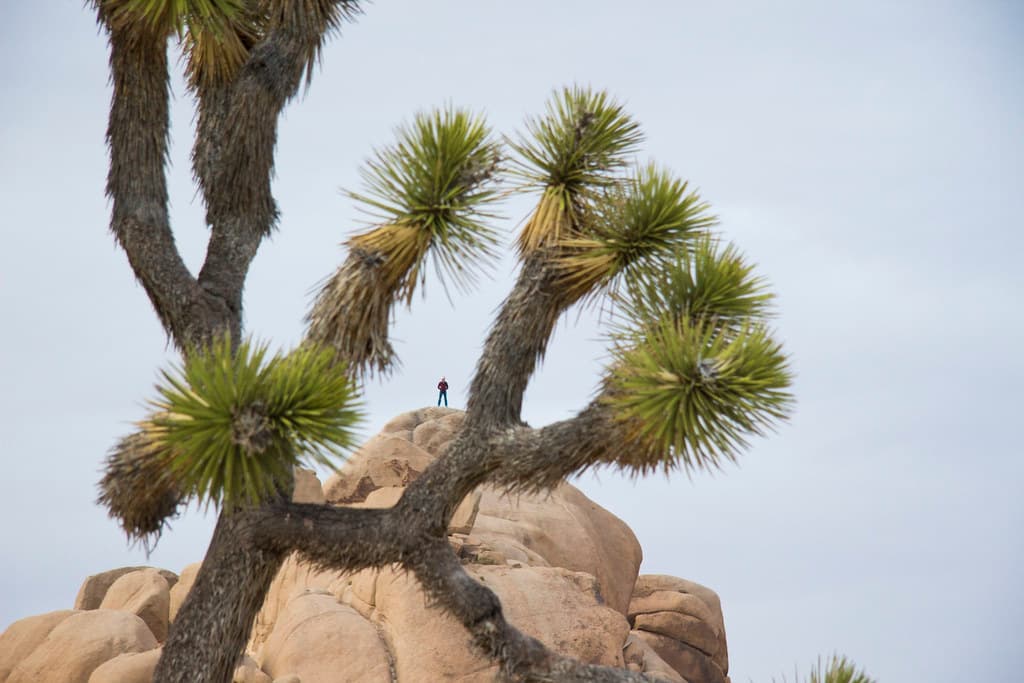
Standing atop towering sandstone formations in Mojave Desert, surrounded by endless desert vistas and iconic Joshua trees, you experience rock climbing in one of America's most unique environments. The high desert offers climbers an extraordinary playground of sandstone boulders, dramatic sport routes, and unparalleled solitude.
Quick Facts at a Glance
| Detail | Information |
|---|---|
| Total Areas | 15+ major climbing locations |
| Climbing Season | October to April |
| Rock Type | Sandstone and granite formations |
| Route Grades | V0-V14 bouldering, 5.6-5.13 sport |
| Formation Height | Up to 500 feet vertical |
| Best Months | November-March |
| Daytime Temperature | 40-70°F (5-21°C) |
| Nighttime Temperature | 25-50°F (-4-10°C) |
Why Rock Climb in Mojave Desert?
Mojave Desert represents America's most diverse high desert climbing destination, combining unique sandstone formations with spectacular desert scenery and unmatched solitude.
What Makes Mojave Desert Extraordinary:
- Unique Sandstone Formations: High-quality sandstone with incredible variety and texture
- World-Class Bouldering: Famous bouldering areas with problems from V0-V14
- Diverse Sport Routes: Hundreds of sport climbing routes across multiple areas
- Unmatched Solitude: Climb in pristine desert environment with minimal crowds
- Iconic Landscape: Joshua trees, desert vistas, and dramatic formations
- Year-Round Potential: Climbing possible in cooler months
- Historic Significance: Birthplace of American desert climbing
- Adventure Access: Remote areas requiring exploration and adventure spirit
Understanding Mojave Desert Climbing Areas
Mojave Desert offers multiple distinct climbing areas, each with unique characteristics and climbing experiences.
Joshua Tree National Park (Most Famous)
The crown jewel of Mojave Desert climbing, offering thousands of routes across diverse rock formations.
- Route Count: 5,000+ climbing routes
- Difficulty Range: 5.6-5.13 sport/trad, V0-V14 bouldering
- Formation Types: Granite monoliths, domes, and outcrops
- Best For: All skill levels, especially bouldering and sport climbing
- Signature Areas: Real Hidden Valley, Jumbo Rocks, Lost Horse
- Access: Park entry required, established approaches
- Season: October-April (best November-March)
- Camping: Extensive camping within park
Alabama Hills (Local Favorite)
Popular bouldering and sport climbing area with excellent sandstone quality.
- Route Count: 500+ routes
- Difficulty Range: 5.7-5.11 sport, V2-V10 bouldering
- Formation Type: Sandstone boulders and crags
- Best For: Intermediate to advanced climbers
- Style: Technical face and crack climbing
- Access: Easy approach from highway
- Crowds: Moderate on weekends
- Facilities: Limited, bring all supplies
Vasquez Rocks
Excellent variety of sport routes on granite formations.
- Route Count: 300+ routes
- Difficulty Range: 5.6-5.12 sport
- Formation Type: Granite crags and cliffs
- Best For: Intermediate to advanced climbers
- Style: Technical face and slab climbing
- Access: Short hike from parking
- Season: Good winter climbing
- Views: Spectacular desert panoramas
Perfect 4-Day Mojave Desert Climbing Adventure
Day 1: Arrival and Joshua Tree Warm-Up
Morning: Arrival and Setup
- Drive to Joshua Tree National Park (2.5 hours from LA)
- Pay park entry fee ($30/vehicle)
- Check into campsite or accommodation
- Visit climbing shop for beta and supplies
- Equipment check and organization
- Park orientation and trail map review
Afternoon: Real Hidden Valley Exploration
- Short hike to Real Hidden Valley
- Warm up on moderate routes (5.6-5.8)
- Practice sandstone techniques
- Multiple routes to sample variety
- Enjoy sunset climbing on formations
- Photograph Joshua trees and desert landscape
Evening:
- Set up camp or check into accommodation
- Dinner under desert stars
- Plan next day's climbing
- Rest and acclimate to high desert altitude
Day 2: Jumbo Rocks Adventure
Morning: Early Start
- Early departure for Jumbo Rocks
- Choose intermediate routes to start day
- Focus on technical face climbing
- Practice crack climbing techniques
- Multiple routes for variety
- Morning light photography
Afternoon: Advanced Routes
- Challenge yourself on harder routes (5.10-5.12)
- Work on specific techniques and moves
- Try different aspects and formations
- Final routes before afternoon
- Return to camp for rest
Evening:
- Après-climb dinner in town
- Review day's climbing and photos
- Plan Alabama Hills bouldering day
- Equipment preparation
Day 3: Alabama Hills Bouldering
Morning: Bouldering Session
- Drive to Alabama Hills area
- Warm up on easier boulder problems
- Progress through various grades
- Focus on different styles (overhangs, slabs, cracks)
- Multiple attempts at projects
- Morning light for bouldering photography
Afternoon: Advanced Bouldering
- Work on harder boulders (V7-V10)
- Practice dynamic movements
- Learn beta and develop sequences
- Rest between attempts
- Sunset bouldering session
- Final projects of the day
Evening:
- Celebration dinner at local restaurant
- Share bouldering stories and experiences
- Review footage and photos
- Plan final climbing day
- Equipment maintenance
Day 4: Vasquez Rocks and Departure
Morning: Vasquez Rocks Sport Climbing
- Early start for Vasquez Rocks
- Warm up on moderate sport routes
- Progress to more challenging climbs
- Practice different granite techniques
- Multiple routes for variety
- Scenic lunch at climbing area
Afternoon: Final Shreds and Departure
- Complete remaining favorite routes
- Take final photos of desert landscapes
- Practice one last technique
- Pack up and prepare for departure
- Return to town for final meal
Evening:
- Final equipment check and return
- Last-minute supplies if needed
- Depart Mojave Desert with unforgettable memories
Essential Rock Climbing Equipment
Required Equipment
Rock Climbing Gear
- Climbing shoes appropriate to difficulty
- Chalk bag with belt
- Chalk (liquid for hot days)
- Crash pad (for bouldering)
- Rope for sport routes (60-70m)
Harness and Protection
- Comfortable sport climbing harness
- Quickdraws (12-18 for desert routes)
- Belay device appropriate for rope diameter
- Locking carabiner
Safety Equipment
- Certified climbing helmet
- First aid kit with blister supplies
- Sun protection (hat, sunglasses, sunscreen)
- Headlamp for early/late climbing
- Emergency whistle
Desert-Specific Gear
Clothing
- Lightweight, breathable climbing clothes
- Sun protection clothing (long sleeves, pants)
- Warm layer for morning/evening
- Approach shoes with good traction
- Multiple socks for comfort
Hydration and Supplies
- Large water supply (3-4 liters/day minimum)
- Electrolytes for desert conditions
- High-energy snacks
- Sun protection (SPF 30+)
- Lip balm
Navigation and Communication
- Detailed map and GPS
- Phone with climbing apps
- Emergency contact information
- Extra food for unexpected delays
Rock Climbing Skill Levels
Beginner (5.6-5.8, V0-V3)
Appropriate Areas:
- Joshua Tree easier sport routes
- Real Hidden Valley warm-ups
- Alabama Hills beginner boulders
Focus Areas:
- Basic climbing techniques
- Route reading skills
- Belaying and safety
- Desert movement on sandstone
Intermediate (5.8-5.10, V3-V7)
Appropriate Areas:
- Most Joshua Tree sport routes
- Vasquez Rocks intermediate climbs
- Alabama Hills variety of boulders
Focus Areas:
- Technical climbing skills
- Endurance building
- Different climbing styles
- Redpoint attempts
Advanced (5.10-5.12, V7-V10)
Appropriate Areas:
- Joshua Tree advanced routes
- Vasquez Rocks challenging climbs
- Alabama Hills hard boulders
- Other desert areas
Focus Areas:
- Project redpointing
- Complex sequences
- Desert-specific techniques
- Training integration
Expert (5.12+, V10+)
Appropriate Areas:
- All desert areas
- Route development
- First ascents possible
- Elite bouldering projects
Focus Areas:
- Maximum difficulty
- Style specialization
- Desert route mastery
- Competitive climbing
Weather & Conditions Guide
Optimal Climbing Conditions
Ideal Weather:
- Temperature: 50-65°F (10-18°C)
- Sunny with light clouds
- Low wind (<15 mph)
- Low humidity
- Dry rock surfaces
Best Times of Day:
- Morning (7-11 AM) for cool temperatures
- Late afternoon (4-6 PM) for winter
- All day for spring/fall
Weather to Avoid
Dangerous Conditions:
- Extreme heat (>85°F/29°C)
- Thunderstorms and lightning
- High winds (>25 mph)
- Rain (wet sandstone is dangerous)
- Flash flood warnings
Seasonal Patterns:
- Fall (October-November): Excellent conditions, cooling weather
- Winter (December-February): Best conditions, cold but sunny
- Spring (March-April): Good conditions, warming weather
- Summer (May-September): Too hot for most climbing
Desert Safety Considerations
High Desert Safety
Temperature Management:
- Start early to avoid afternoon heat
- Stay continuously hydrated
- Recognize heat exhaustion signs
- Have adequate shade and rest
Sun Protection:
- Apply sunscreen regularly
- Wear sun-protective clothing
- Use sunglasses and hat
- Take breaks in shade
Wildlife Awareness:
- Rattlesnakes (common in warmer months)
- Desert tortoises (protected, give space)
- Scorpions (check shoes and gear)
- Coyotes (rarely aggressive)
Emergency Preparedness:
- Carry emergency supplies
- Know exit routes and distances
- Have communication device
- Inform others of climbing plans
Costs & Budget Breakdown
Essential Costs
| Item | Cost Range | Notes |
|---|---|---|
| Park Entry | $30/vehicle | Joshua Tree National Park |
| Camping | $20-30/night | Park campgrounds |
| Guidebook | $25-35 | Desert climbing guide |
| Accommodation | $50-150/night | Hotels outside park |
| Meals | $30-60/day | Dining options limited |
| Transportation | $50-200 | Gas and parking |
4-Day Trip Budget
Budget Option:
- Park entry: $30
- Camping: $100
- Guidebook: $30
- Meals: $200
- Transportation: $100
- Total: ~$460
Mid-Range Option:
- Park entry: $30
- Mid-range accommodation: $300
- Guidebook: $30
- Meals: $400
- Transportation: $150
- Total: ~$910
Luxury Option:
- Park entry: $30
- Luxury accommodation: $600
- Guidebook: $30
- Fine dining: $800
- Premium transportation: $250
- Total: ~$1,710
Cost-Saving Tips:
- Camp within park (most economical)
- Bring your own food and water
- Share camping costs with friends
- Travel in shoulder seasons
- Use free parking where available
Getting to Mojave Desert
International Access
By Air:
- Los Angeles International (LAX): 2.5 hours to Joshua Tree
- Palm Springs Regional (PSP): 45 minutes to Joshua Tree
- Las Vegas (LAS): 4 hours to Mojave areas
By Car:
- Most convenient and flexible option
- Scenic desert drives
- Access to multiple climbing areas
- Recommended for full experience
Local Transportation
Within Desert:
- Personal vehicle required for most areas
- Limited shuttle services
- Bike access to some nearby areas
- Walking between close formations
Photography and GoPro Tips
Best Photo Opportunities
Desert Landscape:
- Joshua trees at sunrise/sunset
- Sandstone formations with dramatic sky
- Desert vistas from high points
- Wildflowers in spring
Climbing Action:
- Climbers on dramatic formations
- Bouldering sequences
- Crack climbing techniques
- Silhouette shots against desert sky
Cultural Elements:
- Historic mining sites
- Desert flora and fauna
- Night sky photography
- Desert landscapes
Equipment Recommendations
For Photographers:
- DSLR with wide-angle and telephoto lenses
- Tripod for stability
- Extra batteries (cold drains them)
- Weather protection for equipment
- Remote shutter release
For GoPro Users:
- GoPro Hero 11 or 12
- Helmet and chest mounts
- Extra batteries and memory cards
- Mount for stable footage
- Waterproof housing (for rare rain)
Best Time to Visit
Peak Season (November-March) ⭐⭐⭐⭐⭐⭐
Weather: Best climbing conditions Temperature: 45-65°F (7-18°C) Pros: Reliable weather, perfect temperatures Cons: Most popular period Recommendation: Book camping well in advance
Shoulder Season (October, April) ⭐⭐⭐⭐⭐
Weather: Generally good conditions Temperature: 55-75°F (13-24°C) Pros: Fewer crowds, good conditions Cons: Some temperature variability Recommendation: Excellent balance of conditions and crowds
Off-Season (May-September) ⭐⭐
Weather: Too hot for most climbing Temperature: 85-100°F (29-38°C) Pros: Complete solitude Cons: Dangerous heat conditions Recommendation: Only for very early morning climbing or alternative activities
Desert Climbing Culture
Local Ethics
Environmental Respect:
- Stay on established trails
- Pack out all waste
- Respect protected wildlife
- Minimize impact on fragile desert ecosystem
- Leave no trace principles
Climbing Etiquette:
- Don't monopolize popular routes
- Share space at crags
- Be aware of other climbers
- Keep noise levels reasonable
- Respect local climbing culture
Community
Local Scene:
- Small but dedicated climbing community
- Friendly and supportive atmosphere
- Regular informal gatherings
- Knowledge sharing and beta exchange
Guide Services:
- Available for instruction and guiding
- Desert-specific knowledge valuable
- Safety training available
- Customized climbing experiences
Physical Preparation
Fitness Requirements
Finger Strength:
- Hangboard training 2-3x/week
- Campus board for advanced climbers
- Finger strength endurance essential
- Rest days for recovery
Upper Body:
- Pull-ups and rows
- Shoulder stability exercises
- Core strength for overhangs
- Forearm strength and endurance
Flexibility and Mobility:
- Hip flexibility for high steps
- Shoulder mobility for overhead moves
- Wrist and ankle flexibility
- Regular stretching routine
Training Timeline
3 Months Before Trip:
- Increase climbing frequency to 3-4x/week
- Focus on specific fitness for sandstone
- Introduce desert-specific training
- Start mental preparation
1 Month Before Trip:
- Peak climbing frequency
- Work on project routes
- Practice on similar rock types
- Finalize equipment
1 Week Before:
- Taper climbing volume
- Focus on rest and recovery
- Final equipment check
- Mental visualization
Final Thoughts & Planning Tips
Why Mojave Desert Climbing Changes You
Rock climbing in Mojave Desert offers more than great routes—it's an immersion into one of America's most unique environments. The combination of challenging sandstone, spectacular desert scenery, and unparalleled solitude creates an adventure that transforms your relationship with climbing and outdoor exploration.
Best Planning Tips
- Get a Guidebook: Essential for route information and access
- Train Appropriately: Desert climbing requires specific fitness
- Choose Right Season: Weather conditions vary significantly
- Book Camping Early: Joshua Tree campgrounds fill quickly
- Respect Environment: Desert ecosystem is fragile and protected
- Climb with Partners: Safer and more enjoyable in remote areas
- Explore Multiple Areas: Each offers unique experiences
- Prepare for Heat: Even in cooler months, desert sun is intense
- Bring Extra Water: Essential for desert climbing
- Enjoy Solitude: Part of desert climbing's magic
When to Book
Camping: 2-4 months in advance for peak season Accommodation: 1-2 months ahead for hotels Guide Services: 1-2 months ahead Equipment: Ensure availability or bring your own
Making the Most of Your Experience
- Arrive 1-2 days early to acclimate and rest
- Take rest days between hard climbing sessions
- Explore Joshua Tree beyond climbing (hiking, photography)
- Experience desert night sky (stargazing)
- Try local desert culture and cuisine
- Connect with the climbing community
- Document your journey with photos and videos
- Respect climbing ethics and environmental stewardship
- Leave the desert better than you found it
Conclusion
Mojave Desert offers rock climbers an unparalleled high desert experience that combines unique sandstone formations with spectacular desert landscapes and unmatched solitude. Whether you're a beginner starting on granite routes in Joshua Tree, an intermediate climber exploring sport routes across multiple areas, or an expert pushing your limits on difficult boulders and elite routes, Mojave Desert delivers unforgettable challenges and rewards.
With its diverse climbing areas, incredible rock quality, stunning natural beauty, and authentic desert atmosphere, Mojave Desert sets the standard for American desert climbing destinations. The combination of technical challenges, physical demands, and visual splendor creates a climbing adventure that will stay with you forever.
Ready to experience America's most unique high desert climbing? Start planning your Mojave Desert adventure today and discover why climbers from around the world return year after year to this spectacular desert paradise.
Note: Rock climbing is an active sport with inherent risks. Always climb within your ability level, use proper safety equipment, follow best practices for belaying and rope management, and respect environment and other climbers. Mojave Desert's sandstone requires specific techniques and awareness of environmental conditions.
Adventure Knit Editorial
Destination research compiled and fact-checked by the Adventure Knit editorial team from published sources, operator itineraries, and official tourism boards. Spot something out of date? Tell us at hello@adventureknit.com.
Related Stories
 France
Rock Climbing Verdon Gorge France: The Ultimate European Climbing Paradise
Experience world-class rock climbing in Verdon Gorge, France - Europe's most spectacular limestone canyon with endless sport routes and dramatic scenery
 United States
Base Jumping Grand Canyon USA: The Ultimate Canyon Freefall Experience
Experience the thrill of base jumping over the Grand Canyon's magnificent red rock formations - one of America's most spectacular and extreme adventures
 United States
Rock Climbing Joshua Tree USA: High Desert Climbing Paradise
Ultimate guide to rock climbing Joshua Tree National Park, California. World-class bouldering, sport climbing, and traditional climbing routes in America's desert climbing mecca.
Enjoyed this article?
Explore more stories from our adventures around the world