
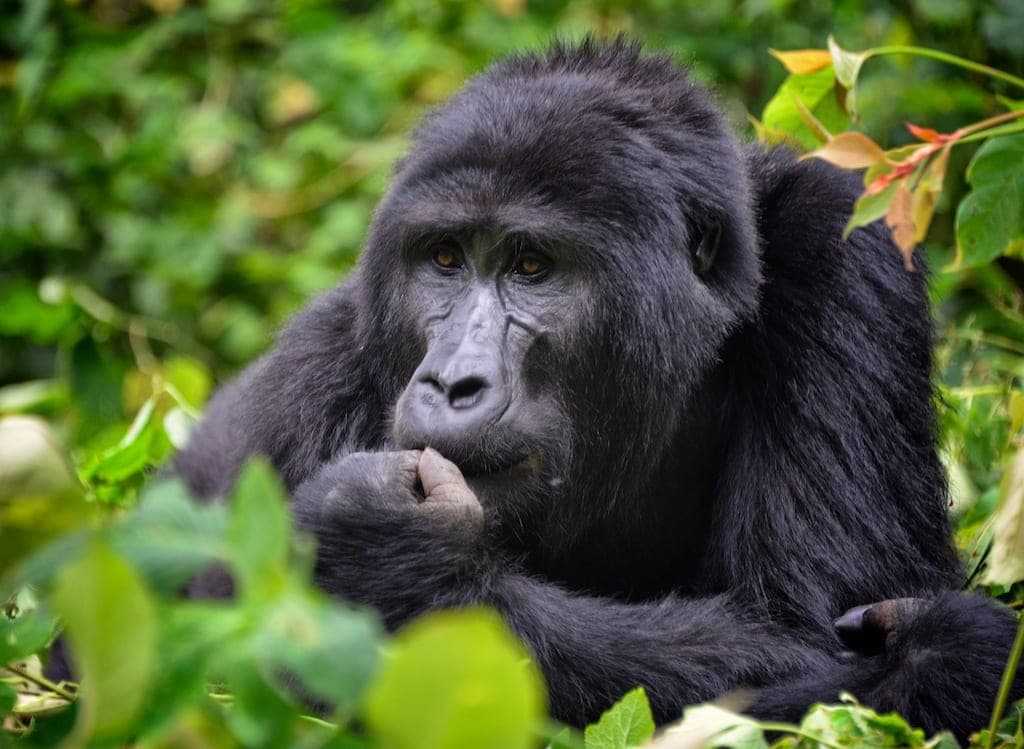
Bwindi Impenetrable Forest Uganda: Mountain Gorilla Trekking Guide
Categories
Tags
Bwindi Impenetrable Forest in southwestern Uganda shelters roughly 400 mountain gorillas — about half the world's remaining population — across 18 habituated families in four trekking sectors. A trekking permit costs 700 dollars per person, treks last 1-8 hours through steep forest terrain, and visitors spend a maximum of one hour with the gorillas. The driest months, June-September and December-February, are the easiest time to trek; plan 3-5 days for the trip including travel.
Bwindi Impenetrable Forest Uganda: The Ultimate Mountain Gorilla Trekking Guide
Pushing through the dense, mist-covered vegetation of Bwindi Impenetrable Forest, every sense heightened, I suddenly hear the deep, resonant grunt of a silverback nearby. My heart races as our guide gestures for silence and we creep forward. Emerging into a small forest clearing, I find myself face-to-face with a mountain gorilla family - an encounter that will change my understanding of our closest living relatives forever. After 18 years of studying these magnificent primates, that first encounter still gives me chills.
Quick Facts at a Glance
- Location: Southwestern Uganda, bordering DR Congo and Rwanda
- Forest Size: 331 square kilometers of ancient montane forest
- Gorilla Population: Approximately 400 individuals (half of world's mountain gorillas)
- Gorilla Families: 18 habituated groups available for trekking
- Duration: 3-5 days recommended (including travel)
- Difficulty: Challenging (steep terrain, dense vegetation)
- Best Months: June-September, December-February (drier)
- Permit Cost: $700 USD per person (as of 2024)
- Altitude: 1,160m-2,607m above sea level
Why Trek Mountain Gorillas in Bwindi?
Bwindi Impenetrable Forest is home to nearly half of the world's remaining mountain gorillas, making it the premier destination for this once-in-a-lifetime wildlife encounter. This UNESCO World Heritage Site offers the most authentic and adventurous gorilla trekking experience in Africa.
What Makes Bwindi Extraordinary:
- Largest Gorilla Population: Home to 400+ mountain gorillas
- Four Trekking Sectors: Buhoma, Ruhija, Rushaga, and Nkuringo
- Ancient Forest: Over 25,000 years old, one of Africa's oldest
- Primate Diversity: Also home to chimpanzees and golden monkeys
- Biodiversity Hotspot: 120 mammal species, 350 bird species
- Cultural Experience: Batwa pygmy community encounters
- Conservation Success: Mountain gorilla numbers increasing
Understanding Bwindi's Trekking Sectors
Buhoma (Northern Sector)
- Why Go: First and most established sector
- Best For: First-time trekkers, easier access
- Gorilla Groups: 4 groups (Mubare, Habinyanja, Rushegura, Katwe)
- Accessibility: Good road network, various accommodation options
- Additional Activities: Batwa community visits, forest walks
- Wildlife: Diverse bird life, various monkey species
Ruhija (Eastern Sector)
- Why Go: Highest altitude, best bird watching
- Best For: Bird enthusiasts, experienced trekkers
- Gorilla Groups: 3 groups (Bitukura, Oruzogo, Kyaguriro - research only)
- Birding: 350+ bird species, including 23 Albertine Rift endemics
- Views: Spectacular mountain vistas
- Challenge: Steeper terrain, higher altitude
Rushaga (Southern Sector)
- Why Go: Most gorilla groups, highest success rates
- Best For: Gorilla enthusiasts, photography
- Gorilla Groups: 5 groups (Nshongi, Kahungye, Bweza, Mishaya, Busingye)
- Habituation Experience: Special gorilla habituation treks available
- Access: More challenging roads, fewer tourists
- Landscape: Varied terrain, bamboo forests
Nkuringo (Southern Sector)
- Why Go: Most challenging and rewarding terrain
- Best For: Adventure seekers, experienced trekkers
- Gorilla Groups: 1 group (Nkuringo)
- Views: Spectacular views of Virunga Volcanoes
- Access: Requires hiking or 4WD from main road
- Challenge: Steepest terrain, most physically demanding
Perfect 3-Day Mountain Gorilla Trekking Itinerary
Day 1: Arrival & Forest Orientation
- Morning: Fly into Entebbe International Airport
- Transfer: Domestic flight to Kihihi or drive (8-10 hours) to Bwindi
- Check-in: Lodge near your chosen trekking sector
- Afternoon: Forest orientation and briefing
- Learn about gorilla behavior and conservation
- Meet your trekking guide
- Review permit and group assignment
- Equipment check and preparation
- Evening: Cultural experience with Batwa pygmy community
- Traditional music and dance
- Learn about their forest heritage
- Support community-based tourism
- Dinner: Traditional Ugandan cuisine
- Stay: Eco-lodge or luxury camp
- Highlight: Anticipation of tomorrow's gorilla encounter
Day 2: The Trek - Mountain Gorilla Encounter
- Early Morning: Pre-dawn breakfast (6 AM)
- Briefing: Park ranger briefing at trailhead (7 AM)
- Safety procedures
- Gorilla group overview
- Trekking guidelines
- Conservation information
- The Trek: Begins immediately after briefing
- Duration: 1-8 hours (average 2-4 hours)
- Terrain: Steep, muddy, dense vegetation
- Guides: Experienced trackers and rangers
- Porters available for hire
- The Encounter: Once gorillas found (maximum 1 hour)
- Stay 7 meters away (21 feet)
- Follow guide instructions
- Photography time
- Observe gorilla behavior
- Magical family interactions
- Afternoon: Return to lodge for lunch
- Evening: Celebration dinner and debriefing
- Share photos and experiences
- Certificate presentation
- Stories from the day
- Stay: Lodge (second night)
- Highlight: The life-changing gorilla encounter
Day 3: Golden Monkey Trekking & Departure
- Morning: Optional golden monkey trekking
- Different forest area
- More accessible terrain
- Energetic, playful primates
- Excellent photography
- Duration: 2-3 hours
- Alternative: Forest walk or bird watching
- Diverse bird species
- Forest ecosystem learning
- Medicinal plant knowledge
- Primate sightings
- Midday: Farewell lunch at lodge
- Afternoon: Transfer back to Entebbe
- Scenic drive through Uganda
- Stop at equator monument
- Shopping for souvenirs
- Evening: Departure or overnight in Entebbe
- Memories: Unforgettable gorilla trekking complete!
- Achievement: Encountered with humanity's closest relatives
Mountain Gorilla Families of Bwindi
Understanding Gorilla Family Dynamics
Family Structure
- Dominant silverback (leader)
- Several adult females
- Sub-adult males (blackbacks)
- Juveniles and infants
- Typical family: 10-20 individuals
Social Behavior
- Strong family bonds
- Grooming rituals
- Playful juveniles
- Protective silverbacks
- Complex communication
Notable Gorilla Groups
Mubare Group (Buhoma)
- First habituated group (1991)
- 9-10 members
- Oldest silverback: Kanyonyi
- Most accessible group
- Great for first-time trekkers
Habinyanja Group (Buhoma)
- 17-18 members
- Dominant silverback: Makara
- More challenging terrain
- Active, playful group
- Excellent photography opportunities
Rushegura Group (Buhoma)
- 19-20 members
- Silverback: Kabukojo
- Very peaceful group
- Near lodge access possible
- Longest viewing time opportunities
Katwe Group (Buhoma)
- 9-10 members
- Large silverback: Katwe
- Recently habituated
- Challenging terrain
- Wild behavior still visible
Nshongi Group (Rushaga)
- Originally 30+ members (largest)
- Recently split into smaller groups
- Now 18-20 members
- Very accessible
- Great for families
Kahungye Group (Rushaga)
- 17-18 members
- Silverback: Rwinganiza
- Recently habituated
- Dynamic group
- Excellent photography
Oruzogo Group (Ruhija)
- 17-18 members
- Silverback: Bakwate
- Very active group
- Playful infants
- Good bird watching en route
Nkuringo Group (Nkuringo)
- 19-20 members
- Silverback: Rafiki
- Most challenging trek
- Spectacular views
- Fewer tourists
Gorilla Trekking Experience: What to Expect
The Trekking Process
Morning Routine
- 6:00 AM: Wake up and breakfast
- 7:00 AM: Meet at park headquarters
- 7:30 AM: Group assignments and briefing
- 8:00 AM: Begin trekking
During the Trek
- Duration varies (1-8 hours)
- Terrain: steep hills, muddy trails, dense vegetation
- Pace: Moderate, with breaks
- Guides: Trackers communicate with advance team
- Porters: Available to carry gear (highly recommended!)
Finding the Gorillas
- Trackers locate group overnight
- Radio communication with trackers
- Final approach in silence
- Brief orientation before viewing
- Maximum one hour with gorillas
The Gorilla Encounter
Behavior to Observe
- Silverback dominance displays
- Mothers caring for infants
- Juvenile play and wrestling
- Grooming rituals
- Feeding behaviors
- Family interactions
Photography Tips
- Follow guide's instructions
- Keep flash OFF
- Be respectful and quiet
- Limit movement
- Focus on eyes and expressions
- Capture group dynamics
Emotional Impact
- Deep connection with primates
- Understanding our shared ancestry
- Emotional and spiritual experience
- Life-changing perspective
- Conservation motivation
Getting to Bwindi Impenetrable Forest
Flight Options
International Arrival
- Fly to Entebbe International Airport (EBB)
- Major airlines: Emirates, Qatar, Turkish, KLM
- Connections through Dubai, Doha, Istanbul, Amsterdam
Domestic Flights
- Entebbe to Kihihi (Aerolink Uganda)
- Entebbe to Kisoro (Aerolink Uganda)
- Duration: 1 hour flight
- Cost: $250-$350 USD each way
- Recommended for time-saving
Road Transport
From Entebbe/Kampala
- Distance: 420-500 km (varies by sector)
- Duration: 8-10 hours
- Road condition: Paved most of way, final stretch unpaved
- Scenery: Beautiful Ugandan countryside
- Stops: Enroute for meals and breaks
From Kigali, Rwanda
- Distance: 180-220 km (closer!)
- Duration: 4-5 hours
- Border crossing: Cyanika or Katuna
- Popular route for combination gorilla trekking
- Visa considerations
Getting Around Bwindi
Between Sectors
- Distances: 50-100 km
- Road conditions: Challenging, unpaved in parts
- Travel time: 2-4 hours
- 4WD vehicle essential
- Plan extra time for weather
To Trailheads
- Walk from nearby lodges
- Short drives from distant lodges
- Some sectors require hiking to start point
- Early morning departures
Bwindi Weather & Seasonal Guide
Dry Season (June-September, December-February)
- Conditions: Less rainfall, drier trails
- Temperature: 20°C-25°C (68°F-77°F) day, 10°C-15°C (50°F-59°F) night
- Visibility: Better views, clearer skies
- Trekking: Easier trails, less mud
- Wildlife: Gorillas more predictable
- Crowds: Peak season, book early
- Best For: First-time trekkers
Rainy Season (March-May, October-November)
- Conditions: More rainfall, muddy trails
- Temperature: 18°C-23°C (64°F-73°F) day, 8°C-13°C (46°F-55°F) night
- Visibility: Misty, atmospheric forest
- Trekking: Challenging, slippery trails
- Wildlife: More active, less predictable
- Crowds: Fewer tourists, better permits
- Best For: Serious trekkers, photographers
Monthly Breakdown
January
- Dry season, excellent conditions
- Gorillas in bamboo zones
- Good for photography
- Book 3-4 months ahead
February
- Peak dry season
- Clear skies, great views
- Best all-around month
- Book 4-5 months ahead
March
- Beginning of rains
- Fewer tourists
- Lush vegetation
- Good value month
April
- Heavy rain season
- Challenging trekking
- Fewest tourists
- Last-minute deals possible
May
- Rains continuing
- Very quiet
- Cheapest permits sometimes available
- For experienced trekkers only
June
- Beginning of dry season
- Excellent conditions
- Increasing popularity
- Book 5-6 months ahead
July
- Peak dry season
- Best trekking conditions
- Most popular month
- Book 6-7 months ahead
August
- Peak season continues
- Excellent weather
- High demand
- Book 6-7 months ahead
September
- End of dry season
- Still excellent conditions
- Slightly less crowded
- Book 5-6 months ahead
October
- Beginning of short rains
- Fewer tourists
- Still good trekking
- Good photography light
November
- Short rain season
- Muddy trails
- Quieter forest
- For serious trekkers
December
- Beginning of dry season
- Good conditions returning
- Popular holiday month
- Book 4-5 months ahead
Essential Packing List for Gorilla Trekking
Clothing
Upper Body
- Waterproof jacket: Essential (rain or shine)
- Fleece jacket or sweater: For cool mornings
- Long-sleeve shirts: 2-3 (lightweight, quick-dry)
- T-shirts: 2-3 (for lodge wear)
Lower Body
- Hiking pants: 2-3 pairs (quick-dry)
- Long underwear: For cool mornings (optional)
- Waterproof overpants: For rainy season
Extremities
- Waterproof hiking boots: Well-broken in, good grip
- Gaiters: Essential for mud and vegetation
- Gardening gloves: For thorny vegetation
- Hat: Wide-brimmed, waterproof
- Sunglasses: For bright days
Equipment
Hiking Gear
- Daypack: 20-30L, waterproof cover
- Walking poles: Highly recommended for steep terrain
- Waterproof bags: For electronics and valuables
- Headlamp or flashlight: For early starts
Photography
- Camera: DSLR/mirrorless preferred
- Lens: 70-200mm or 100-400mm recommended
- Extra batteries: Cold drains them faster
- Memory cards: 2-3 large capacity cards
- Camera rain cover: Essential
Health & Safety
- Insect repellent: DEET-based
- Sunscreen: Even in cloudy forest
- Water purification tablets or bottles
- Personal first aid kit
- Prescription medications: Adequate supply
- Hand sanitizer
- Wet wipes
Miscellaneous
- Passport and permits: Always carry
- Cash in small denominations: For tips and purchases
- Snacks: Energy bars, nuts, dried fruit
- Reusable water bottle: 1-2 liters
- Tissues and wet wipes: Limited facilities
- Small towel: For wiping off
Choosing Your Accommodation
Budget Options ($50-$100 per night)
Community Lodges
- Basic but comfortable
- Traditional feel
- Community support
- Shared facilities possible
- Meals included
Camping Sites
- For adventurous travelers
- Bring own equipment
- Basic facilities
- Budget-friendly
- Limited availability
Mid-Range Options ($100-$250 per night)
Eco-Lodges
- Private facilities
- Good food
- Friendly staff
- Forest views
- Value for money
Forest Cottages
- Rustic charm
- Good locations
- Comfortable beds
- Hot showers
- Meal packages
Luxury Options ($300-$800+ per night)
Premium Eco-Lodges
- Luxury amenities
- Excellent service
- Spectacular views
- Gourmet cuisine
- Exclusive experience
Tented Camps
- Safari-style tents
- En-suite facilities
- High comfort level
- Immersive experience
- Professional service
Location Considerations
Proximity to Trailhead
- Important for early starts
- Saves travel time
- More sleep
- Less morning rush
Forest Views
- Immersive experience
- Bird watching from lodge
- Relaxing atmosphere
- Photography opportunities
Accessibility
- Road conditions vary
- 4WD vehicle required for some
- Consider physical abilities
- Weather contingency
Gorilla Trekking Permits & Booking
Permit Requirements
Official Cost
- $700 USD per person (2024)
- Non-refundable but transferable
- Limited availability: 8 permits per group daily
- Valid for one hour with gorillas
Booking Process
- Book through Uganda Wildlife Authority
- Or through licensed tour operator
- Payment required in advance
- Specify sector preference if possible
- Book 3-12 months ahead
Permit Includes
- Park entrance fee
- Ranger guide services
- Security personnel
- One hour with gorillas
- Certificate of trekking
Permit Scarcity & Competition
High Demand Months
- June-September (peak dry season)
- December-February (holiday season)
- Book 6-12 months ahead
- Limited daily availability
Lower Demand Months
- March-May (rainy season)
- October-November (short rains)
- More availability
- Sometimes last-minute options
Waitlist
- Cancellations possible
- No guarantees
- Flexible travel dates help
- Contact UWA regularly
Additional Activities in Bwindi
Golden Monkey Trekking
What to Expect
- Smaller, more active primates
- Easier trekking than gorillas
- 2-3 hour duration
- More accessible terrain
- Excellent photography
Cost: $50 USD per person Best Time: Morning treks Groups: Up to 6 people
Batwa Pygmy Experience
Cultural Immersion
- Learn about forest heritage
- Traditional hunting demonstrations
- Music and dance performances
- Storytelling and history
- Support community tourism
Duration: 2-3 hours Cost: $50-$100 USD per person
Forest Walks & Hiking
Nature Trails
- Diverse forest ecosystems
- Bird watching opportunities
- Primate sightings
- Medicinal plant education
- Waterfall hikes
Duration: 2-6 hours Difficulty: Varies by trail Best Time: Early morning
Bird Watching
What to Expect
- 350+ bird species
- 23 Albertine Rift endemics
- Specialized guides available
- Best in Ruhija sector
- Year-round activity
Special Birds
- African Green Broadbill
- Grauer's Rush Warbler
- Shelly's Crimsonwing
- Handsome Francolin
Health & Safety Considerations
Medical Preparation
Pre-Trek Health
- Physical fitness preparation
- Vaccinations: Hepatitis A, Typhoid, Yellow Fever (required)
- Malaria prophylaxis: Consult doctor
- Medical insurance: Verify coverage
During Trek
- Stay hydrated
- Pace yourself
- Take breaks as needed
- Communicate any concerns
- Listen to your body
Trekking Safety
Terrain Challenges
- Steep, muddy trails
- Slippery surfaces
- Dense vegetation
- Variable weather
- Use walking poles
Wildlife Encounters
- Follow ranger instructions
- Maintain distance from gorillas
- Never feed animals
- Respect forest rules
- Stay with your group
Porter Use
- Highly recommended
- Cost: $15-$20 USD per day
- Supports local community
- Makes trekking easier
- Carries gear and assists
Health Risks
Altitude Considerations
- Bwindi not extremely high (max 2,607m)
- Most people adapt fine
- Take it easy
- Stay hydrated
- Monitor for symptoms
Diseases
- Malaria: Take prophylaxis
- Yellow Fever: Vaccination required
- Water-borne: Use purified water
- Insect-borne: Use repellent
Injuries
- Slips and falls possible
- Thorns and scratches
- Wear gaiters and gloves
- Have first aid kit
- Communicate with guides
Gorilla Conservation & Responsible Tourism
Mountain Gorilla Conservation Success
Population Recovery
- 1980s: ~250 individuals
- 2024: ~1,000 individuals
- Successful conservation efforts
- Sustainable tourism funding
- Community involvement
Threats Addressed
- Poaching dramatically reduced
- Habitat protection established
- Disease transmission minimized
- Human-wildlife conflict managed
- Research and monitoring ongoing
Responsible Tourism Guidelines
During Gorilla Encounter
- Keep 7 meters (21 feet) distance
- Never feed gorillas
- Don't use flash photography
- Stay in your group
- Follow ranger instructions
- Limit time to one hour
Environmental Respect
- Stay on designated trails
- Don't remove plants or rocks
- Minimize noise
- Pack out all trash
- Use eco-friendly products
Community Support
- Hire local porters and guides
- Buy local crafts
- Support community projects
- Stay in community-owned lodges
- Respect local customs
How You Help Conservation
Tourism Revenue
- Permit fees fund protection
- Creates local employment
- Supports community development
- Incentivizes conservation
- Funds research and monitoring
Direct Support
- Support conservation organizations
- Spread awareness
- Make donations
- Volunteer opportunities
- Sustainable practices
Photography Tips for Gorilla Trekking
Equipment Recommendations
Camera Body
- DSLR or mirrorless preferred
- Good in low light
- Fast burst mode
- Weather sealing helpful
- Bring backup if possible
Lenses
- 70-200mm: Ideal for portraits
- 100-400mm: For distance shots
- 24-70mm: For environmental shots
- Wide-angle: Not necessary
Accessories
- Extra batteries: Essential
- Memory cards: 64GB+ recommended
- Rain cover: Critical
- Camera strap: Secure carrying
- Lens cleaning kit: Dust and moisture
Photography Techniques
Settings
- Shutter speed: 1/500+ for moving subjects
- Aperture: f/4-f/5.6 for subject isolation
- ISO: Auto or high (forest is dark)
- Focus: Continuous autofocus
Composition
- Focus on eyes
- Get at eye level
- Include forest environment
- Capture interactions
- Respect distance rules
Best Moments
- Silverback displays
- Mother-infant bonding
- Juvenile play
- Family group shots
- Grooming rituals
Ethical Considerations
Respect the Gorillas
- Never use flash
- Don't get too close
- Don't block their path
- Follow guide instructions
- Prioritize experience over photos
Respect Other Trekkers
- Take turns for best shots
- Don't block others
- Be patient and polite
- Share the experience
- Help fellow photographers
Budget Breakdown: Gorilla Trekking Adventure
3-Day Trekking Package ($1,200-$2,500)
Included
- Gorilla trekking permit: $700
- Park entrance fees
- Ranger guide services
- Accommodation (2 nights)
- Meals (as per package)
- Ground transportation
Not Included
- International flights: $800-$1,500
- Domestic flights: $250-$350 (if applicable)
- Porter services: $15-$20/day
- Tips: $50-$100
- Souvenirs: $50-$200
- Travel insurance: $50-$100
- Personal expenses
5-Day Primate Expedition ($2,500-$4,000)
Additional Inclusions
- Chimpanzee trekking: $150
- Golden monkey trekking: $50
- Cultural experiences
- Additional accommodation
- More comprehensive exploration
Cost-Saving Tips
- Travel Off-Peak: March-May, October-November
- Group Travel: Share transportation costs
- Budget Accommodation: Community lodges
- Self-Drive: Rent 4WD (challenging but possible)
- Package Deals: Sometimes include extras
- Book Early: Secure preferred dates
Cultural Experiences: Batwa Pygmy Community
Understanding Batwa Culture
Forest Heritage
- Original forest inhabitants
- Hunter-gatherer lifestyle
- Deep forest knowledge
- Spiritual connection
- Conservation advocates
Modern Challenges
- Forced from forest in 1991
- Loss of traditional lifestyle
- Cultural preservation efforts
- Tourism support
- Community development
Batwa Experience
What to Expect
- Traditional hunting demonstrations
- Music and dance performances
- Forest foraging skills
- Traditional medicine knowledge
- Storytelling and history
Benefits to Community
- Cultural preservation
- Economic support
- Education opportunities
- Healthcare access
- Pride in heritage
Final Thoughts & Planning Tips
Why Bwindi is Worth Every Effort
Bwindi Impenetrable Forest offers one of the most profound wildlife experiences on Earth. Standing within meters of mountain gorillas, observing their family dynamics, and feeling their gentle intelligence creates a connection that transcends language and culture. The challenging trek, the mist-covered forest, and the magical encounter combine to create a life-changing experience.
Best Planning Tips
- Book Early: Permits sell 6-12 months ahead for peak season
- Get Fit: The trek is physically demanding
- Choose Wisely: Research sectors and gorilla groups
- Pack Smart: Quality gear makes a huge difference
- Be Flexible: Weather and wildlife are unpredictable
- Respect Guidelines: Follow all park rules strictly
- Stay Healthy: Take all health precautions seriously
- Hire Porters: Support community and make trekking easier
When to Book
- Peak Season: June-September, December-February: Book 6-12 months ahead
- Shoulder Season: December, January, February: Book 4-6 months ahead
- Low Season: March-May, October-November: Book 2-4 months ahead
- Last Minute: Sometimes cancellations available, but risky
Making the Most of Your Experience
- Prepare Physically: The trek is challenging
- Research Gorilla Groups: Know which you'll visit
- Practice Photography: You'll want great photos
- Learn About Conservation: Understand the bigger picture
- Support Local Communities: Hire porters, buy local
- Be Present: Don't just look through the camera lens
- Share Your Experience: Inspire others to protect gorillas
Conclusion
Bwindi Impenetrable Forest represents the ultimate wildlife encounter - the opportunity to observe mountain gorillas in their natural habitat, one of our closest living relatives. The combination of challenging trekking, ancient forest, and profound connection creates an experience that's both adventurous and deeply moving.
The success of mountain gorilla conservation in Bwindi demonstrates how responsible tourism can support species recovery while providing transformative experiences for visitors. By visiting respectfully, supporting conservation efforts, and spreading awareness, trekkers help ensure these magnificent primates continue to thrive.
Whether you're a wildlife enthusiast, an adventure seeker, or someone seeking a profoundly moving experience, gorilla trekking in Bwindi will change how you view our place in the natural world.
Ready to encounter mountain gorillas? Explore our Uganda gorilla trekking packages or contact us for personalized advice from our primate specialists.
About the Author: Dr. Sarah Mbabazi is a primatologist and mountain gorilla researcher with 18 years studying Uganda's great apes. She's a senior advisor to the Uganda Wildlife Authority and a fellow of the Dian Fossey Gorilla Fund. Follow her primate conservation work on Instagram @sarahmbabazi_gorillas.
Frequently Asked Questions
A Bwindi gorilla trekking permit costs 700 dollars per person as of 2024, booked through the Uganda Wildlife Authority or a licensed tour operator. The permit covers park entrance, ranger guide services, security, one hour with the gorillas, and a trekking certificate. Permits are non-refundable but transferable, and only 8 are issued per gorilla group each day.
Treks last anywhere from 1 to 8 hours, with 2-4 hours being average, over steep, muddy trails through dense vegetation at altitudes of 1,160m to 2,607m. Reasonable fitness helps, and hiring a porter for 15-20 dollars a day makes the hike much easier while supporting the local community. The Nkuringo sector is the most physically demanding, while Buhoma suits first-time trekkers.
The dry seasons — June to September and December to February — offer drier trails, clearer views, and more predictable gorilla movements, making them the best time for most visitors. July and August are peak months requiring permits booked 6-7 months ahead. The rainy seasons of March-May and October-November mean muddier trekking but fewer tourists and easier permit availability.
For peak season, June-September and December-February, book 6-12 months ahead because daily availability is limited to 8 permits per gorilla group. Shoulder months need 4-6 months of lead time, while low-season dates in March-May or October-November can often be booked 2-4 months out. Last-minute permits occasionally appear through cancellations but cannot be relied on.
From Entebbe or Kampala it is a 420-500km drive taking 8-10 hours, mostly on paved roads with an unpaved final stretch. A faster option is a one-hour domestic flight from Entebbe to Kihihi or Kisoro with Aerolink, costing 250-350 dollars each way. Many travelers instead cross from Kigali, Rwanda, which is only 180-220km and a 4-5 hour drive away.
Visitors must keep a distance of 7 meters, about 21 feet, from the gorillas and time with a family is capped at one hour. Flash photography is not allowed, groups must stay together, and ranger instructions must be followed at all times. These rules protect the gorillas from stress and human disease transmission.
Adventure Knit Editorial
Destination research compiled and fact-checked by the Adventure Knit editorial team from published sources, operator itineraries, and official tourism boards. Spot something out of date? Tell us at hello@adventureknit.com.
Related Stories
 Uganda
Chimpanzee Tracking in Kibale Forest, Uganda: How It Actually Works
A practical guide to chimpanzee tracking in Kibale National Park, Uganda: permits, the two daily departures, the habituation experience, what to pack, and how it fits a gorilla safari.
 Uganda
Planning a Uganda Gorilla and Chimp Safari: Permits, Seasons and Real Costs
How to plan a Uganda safari that combines mountain gorillas in Bwindi with chimpanzees in Kibale: what permits cost, when to go, how long it takes, and what a realistic budget looks like.
 Uganda
Murchison Falls National Park: Where the Nile Explodes Through a Seven-Metre Gap
A practical guide to Murchison Falls National Park, Uganda: the boat cruise to the falls, game drives on the northern bank, the top-of-the-falls hike, Ziwa's rhinos en route, and how it fits a Uganda safari.
Enjoyed this article?
Explore more stories from our adventures around the world