
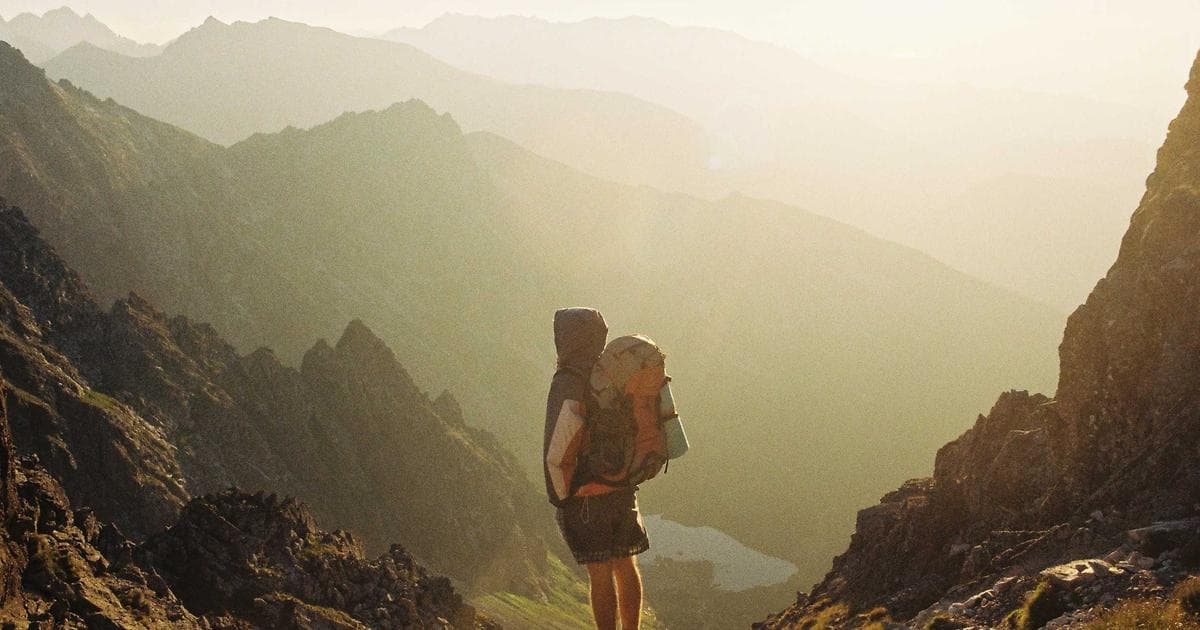
Faroe Islands Adventure: Remote Nordic Wilderness Exploration
Categories
Tags
Faroe Islands Adventure: The Ultimate Nordic Wilderness Experience
Standing on the edge of Drangarnir sea stack, with 700-meter cliffs plunging into the churning North Atlantic below, puffins banking on thermal updrafts, and the raw power of the North Atlantic hitting the basalt walls, I understood why the Faroe Islands are called the edge of the world. This isn't just an archipelago – it's a place where ancient Norse heritage meets untouched wilderness, where sheep outnumber humans, and where nature's drama unfolds daily in one of Europe's most spectacular settings.
Quick Facts at a Glance
- Duration: 10 days (8 exploration days)
- Archipelago: 18 major islands, 17 inhabited
- Difficulty: Moderate (hiking and outdoor activities)
- Highest Peak: 880m (Slættaratindur)
- Best Months: May-September
- Average Cost: $2,800-4,200 per person
- Unique Feature: One of the world's largest puffin colonies
Why Choose the Faroe Islands Adventure?
The Faroe Islands represent one of Europe's last true wilderness adventures – a Nordic archipelago where dramatic sea cliffs, ancient Viking heritage, and raw natural beauty create an experience that feels both prehistoric and otherworldly. Located halfway between Norway and Iceland, these islands offer adventure that's increasingly rare in our connected world.
What Makes the Faroe Islands Extraordinary:
- World's Most Dramatic Sea Cliffs: Home to Europe's highest sea cliffs
- Ancient Puffin Colonies: Over 1 million puffins nest here annually
- Living Viking Heritage: 1,100+ years of continuous Norse settlement
- Unspoiled Wilderness: Minimal development, maximum natural beauty
- Unique Nordic Culture: Language, traditions, and cuisine preserved for centuries
Understanding the Faroe Islands Regions
Streymoy & Eysturoy (Central Islands)
The cultural and geographical heart of the islands, featuring the capital Tórshavn, historic villages, and accessible hiking trails.
Vágar & Mykines (Western Islands)
Home to the iconic Drangarnir sea stacks, puffin colonies, and some of the islands' most dramatic landscapes.
Suduroy (Southern Island)
The most remote and traditional island, with incredible sea cliffs, fishing villages, and authentic Faroese culture.
Northern Islands (Borðoy, Kunoy, Viðoy, Svínoy)
The wildest part of the archipelago, featuring the highest peaks, most dramatic cliffs, and smallest communities.
Sandoy & Skúvoy (Southern Central)
Gentle landscapes, rich birdlife, and traditional farming communities.
Perfect 10-Day Faroe Islands Expedition Itinerary
Day 1: Arrival in Tórshavn & Nordic Orientation
- Location: Tórshavn, Streymoy Island
- Activities: Explore Tinganes, visit Nordic House, welcome dinner
- Accommodation: Traditional hotel in Tórshavn
- Highlights: World's smallest capital, 1,100-year-old parliament site
- Tip: Try fermented lamb and Faroese beer at local restaurant
Day 2: Saksun & Historic Village Exploration
- Location: Saksun, Streymoy Island
- Activities: Hike to Saksun village, explore traditional turf houses
- Hiking: 5km moderate hike along the lagoon
- Accommodation: Hotel in Tórshavn
- Highlights: Natural amphitheater lagoon, preserved medieval village
- Cultural Experience: Traditional Faroese storytelling
Day 3: Vestmanna Sea Cliffs Adventure
- Location: Vestmanna, Streymoy Island
- Activities: Sea cliffs boat tour, puffin colony visit, hiking
- Boat Tour: 2.5-hour excursion into sea caves and grottoes
- Accommodation: Hotel in Tórshavn
- Highlights: Vertical cliffs, nesting seabirds, sea caves
- Wildlife: Puffins, guillemots, razorbill, kittiwakes
Day 4: Kaldbaksfjørður & Waterfall Hiking
- Location: Kaldbaksfjørður, Streymoy Island
- Activities: Hiking to Múlafossur waterfall, coastal exploration
- Hiking: 8km moderate to challenging route
- Accommodation: Hotel in Tórshavn
- Highlights: Iconic waterfall falling directly into the ocean
- Photography: Golden hour shots of the waterfall and cliffs
Day 5: Vágar Island & Mykines Puffin Expedition
- Location: Vágar & Mykines Islands
- Activities: Transfer to Mykines, puffin colony exploration
- Transfer: Helicopter or boat to Mykines (weather dependent)
- Accommodation: Guesthouse on Mykines or return to Vágar
- Highlights: World's most accessible puffin colony, Mykineshólmur lighthouse
- Wildlife: Thousands of puffins at close range
Day 6: Gjógv & Northern Villages
- Location: Gjógv, Eysturoy Island
- Activities: Explore natural harbor, hike to nearby villages
- Hiking: 6km easy to moderate coastal walks
- Accommodation: Guesthouse in Gjógv or nearby
- Highlights: Natural gorge harbor, traditional turf-roofed houses
- Experience: Stay in authentic Faroese guesthouse
Day 7: Slættaratindur Summit Challenge
- Location: Northern Eysturoy
- Activities: Summit hike to Faroe Islands' highest peak
- Hiking: 10km challenging round trip
- Accommodation: Guesthouse in Fuglafjørður
- Highlights: 360-degree views of all islands
- Achievement: Standing on the roof of the Faroe Islands
Day 8: Northern Islands Adventure
- Location: Viðoy, Borðoy, Kunoy Islands
- Activities: Visit Viðareiði, explore northern cliffs
- Transfer: Car ferry to northern islands
- Accommodation: Guesthouse in Viðareíði
- Highlights: Enniberg sea cliffs (Europe's highest), isolated communities
- Cultural Experience: Authentic northern island life
Day 9: Traditional Faroese Culture Day
- Location: Various locations
- Activities: Visit chain dancing event, traditional craft workshops
- Cultural Experience: Learn chain dancing, watch wool processing
- Accommodation: Hotel in Tórshavn
- Highlights: Living Faroese traditions, authentic culture
- Note: Schedule dependent on local events
Day 10: Tórshavn Final Exploration & Departure
- Location: Tórshavn, Streymoy Island
- Activities: Final shopping, exploration, departure
- Shopping: Faroese wool products, traditional crafts
- Final Memories: Farewell dinner with traditional cuisine
- Departure: Transfer to Vágar Airport
Faroe Islands' Top 25 Adventures
Sea Cliff & Coastal Adventures
- Vestmanna Boat Tour: Navigate through sea caves and past 600-meter cliffs
- Drangarnir Sea Stack: Iconic sea arch and pinnacle formations
- Enniberg Cliffs: Europe's highest sea cliffs at 750 meters
- Múlafossur Waterfall: Dramatic waterfall cascading into the ocean
- Sea Cave Explorations: Hidden grottoes and caverns accessible by boat
Wildlife & Birdwatching
- Puffin Colonies: Multiple locations with millions of nesting puffins
- Seabird Watching: Guillermots, kittiwakes, razorbills, and gannets
- Whale Watching: Minke, pilot, and occasionally orca whales
- Seal Colonies: Common and grey seals in protected bays
- Bird Photography: World-class opportunities for bird photographers
Hiking & Trekking
- Slættaratindur Summit: Highest peak with panoramic views
- Kallur Lighthouse Hike: Dramatic coastal walk to iconic lighthouse
- Sørvágsvatn Lake Hike: Hike above the "hanging lake"
- Trælanípa Cliff Walk: Path through sea cliffs with historical significance
- Coastal Ridge Hikes: Challenging ridge walks with ocean views
Cultural Experiences
- Chain Dancing: Ancient Viking tradition still practiced today
- Traditional Wool Craft: Hand-knitting and wool processing
- Boat Building: Visit traditional boat builders
- Faroese Cuisine: Traditional restaurants serving authentic dishes
- Village Life: Experience authentic Faroese community living
Adventure Activities
- Sea Kayaking: Paddle along dramatic coastlines
- Helicopter Tours: Aerial views of the islands and cliffs
- Cave Exploring: Underground caves and lava tubes
- Fishing Expeditions: Traditional fishing with local fishermen
- Boat Excursions: Transfer to remote islands by sea
Faroese Food Guide: Nordic Cuisine
Traditional Faroese Dishes
- Ræstkjøt: Air-dried and fermented mutton (Faroe Islands specialty)
- Skerðingur: Traditional meat dish with potatoes and turnips
- Grind og spik: Pilot whale and blubber (controversial traditional dish)
- Fiskasúpa: Traditional fish soup with local herbs
Fresh Seafood
- Salmon: Faroese farmed salmon (world-renowned quality)
- Haddock: Freshly caught from North Atlantic waters
- Cod: Traditional winter catch, prepared various ways
- Langoustines: Local specialty shellfish
- Puffin: Traditional dish (controversial, limited availability)
Dairy & Baking
- Skerðingur: Traditional rye bread, often fermented underground
- Kókumykt: Sour milk product similar to yogurt
- Traditional Cakes: Layer cakes with berries and whipped cream
- Faroese Butter: Rich, yellow butter from grass-fed cows
Beverages
- Faroese Beer: Several craft breweries producing unique beers
- Coffee: Strong coffee culture, especially during chain dancing
- Traditional Schnapps: Aquavit and local spirits
- Berry Liqueurs: Made from local crowberries and blueberries
Where to Eat
- Koks: Michelin-starred restaurant in Tórshavn
- Áarstova: Traditional restaurant in historic building
- Barbara: Fish restaurant with harbor views
- Local Guesthouses: Home-cooked Faroese meals
- Café Natural: Vegetarian and organic options
Getting Around the Faroe Islands
Transportation Options
- Car Rental: Most popular option - allows exploration of all islands
- Public Transportation: Bus system connects main islands via tunnels
- Taxis: Available in Tórshavn and larger villages
- Helicopter Transfers: For remote islands (Mykines, etc.)
- Boat Transfers: Some islands accessible only by sea
Road System
- Undersea Tunnels: Connect main islands efficiently
- Mountain Roads: Scenic but can be narrow and winding
- Single-Lane Tunnels: Several older tunnels with passing places
- Weather Conditions: Roads can close during severe weather
Inter-Island Travel
- Tunnel Network: Modern tunnels connect Streymoy, Eysturoy, Vágar
- Car Ferries: Connect Northern Islands and Suðuroy
- Helicopter Services: Limited, weather-dependent service
- Private Boat Charters: Available for custom island hopping
Navigation & Communication
- Maps+:i: Download offline maps before arrival
- Local SIM Cards: Available at airport and in Tórshavn
- Road Apps: Live road condition apps available
- GPS: Essential for remote hiking and driving
Where to Stay in the Faroe Islands
Tórshavn Hotels
- Description: Capital city with most accommodation options
- Cost: $100-250+ per night
- Facilities: Modern amenities, restaurants, WiFi
- Popular Options: Hotel Føroyar, Hotel Tórshavn, Hafnia Hotel
Traditional Guesthouses
- Description: Family-run accommodations in villages
- Cost: $80-180 per night
- Experience: Authentic Faroese hospitality, local breakfast
- Locations: Available throughout all islands
- Booking: Advance booking recommended in summer
Unique Accommodations
- Mykines Guesthouse: Remote island experience with puffin colonies
- Saksun Village: Traditional turf house accommodation
- Northern Island Cottages: Self-catering in remote locations
- Converted Farmhouses: Rural accommodation with local character
Luxury Options
- Foroyar Hotel: Modern hotel with panoramic views
- Boutique Hotels: Small luxury properties in Tórshavn
- Private Cottages: Secluded luxury accommodations
- Lodge Style: High-end wilderness accommodations
Faroe Islands Weather & Seasonal Guide
Summer Season (June-August) ☀️
- Temperature: 8-15°C during day, 3-8°C at night
- Conditions: Best weather, longest daylight hours
- Wildlife: Puffins present through August
- Activities: Full range of activities available
Shoulder Season (May & September) 🌤️
- Temperature: 6-12°C during day, 1-5°C at night
- Conditions: Cooler but still pleasant
- Advantages: Fewer tourists, lower prices
- Considerations: Some boat tours may be weather-dependent
Winter Season (October-April) ❄️
- Temperature: 3-8°C during day, 0-4°C at night
- Conditions: Storms, strong winds, limited daylight
- Experience: Dramatic storm watching, northern lights possible
- Access: Some services limited, hiking dangerous
Monthly Breakdown
- May: Return of puffins, wildflowers blooming
- June: Longest days, puffin colonies most active
- July: Best weather conditions, peak tourist season
- August: Good weather, puffins preparing to leave
- September: Fall colors, excellent photography conditions
Essential Packing List for the Faroe Islands
Clothing Layers
- Base Layers: 2-3 sets merino wool underwear and tops
- Mid Layers: Fleece jackets, wool sweaters
- Outer Shell: Waterproof/windproof jacket and pants
- Warm Jacket: Down jacket for cool evenings
- Hiking Pants: 2-3 pairs, quick-drying
- Waterproof Layers: Essential for any outdoor activity
Footwear
- Hiking Boots: Waterproof, broken in before arrival
- Waterproof Shoes: For walking in wet conditions
- Warm Socks: 4-5 pairs wool or synthetic blend
- Indoor Shoes: Comfortable shoes for guesthouses
Rain & Weather Protection
- Waterproof Jacket: High-quality Gore-Tex or similar
- Waterproof Pants: Full-length rain pants
- Rain Hat: Wide-brimmed waterproof hat
- Gloves: Waterproof gloves for cool, wet conditions
- Umbrella: Though wind often makes them impractical
Photography & Electronics
- Camera: Weather-sealed camera for wet conditions
- Lenses: Wide-angle for landscapes, telephoto for wildlife
- Waterproof Case: Essential protection for electronics
- Extra Batteries: Cold conditions drain batteries faster
- Lens Cloth: For keeping optics dry
Adventure Equipment
- Trekking Poles: Helpful for slippery coastal hikes
- Headlamp: For early morning puffin watching
- Dry Bags: For keeping gear dry during boat tours
- Binoculars: Essential for seabird and whale watching
- Backpack: Waterproof daypack for daily excursions
Wildlife Spotting Guide
Puffin Colonies
- Mykines: Most accessible and abundant puffin colony
- Vestmanna: Sea cliff colonies accessible by boat
- Nólsoy: Large colony, less visited by tourists
- Best Time: May to August, early morning or late evening
- Photography Tips: Use telephoto lens, maintain respectful distance
Seabirds
- Guillemots: Common on sea cliffs, distinctive appearance
- Kittiwakes: Small gulls nesting on vertical cliffs
- Razorbills: Close relatives of puffins, dramatic beaks
- Gannets: Large seabirds with dramatic diving displays
- Best Locations: Vestmanna cliffs, Mykines, Nólsoy
Marine Life
- Pilot Whales: Common in Faroese waters (controversial subject)
- Minke Whales: Frequently spotted during summer
- Harbor Seals: Common in protected bays and harbors
- Grey Seals: Larger seals, often seen on offshore rocks
- Best Viewing: Boat tours and coastal vantage points
Land Animals
- Sheep: Faroese sheep graze freely throughout islands
- Rabbits: Introduced species, especially on smaller islands
- Mice: Field mice are the only native land mammal
- Domestic Animals: Dogs and horses in villages
Cultural Insights: Respecting Faroese Traditions
Do's
- Remove Shoes: Always remove shoes when entering homes
- Greet Properly: "Hej" is the standard greeting
- Accept Hospitality: Faroese hospitality is genuine and generous
- Ask Permission: Before photographing people or private property
- Support Local: Purchase crafts and use local services
Don'ts
- Disrespect Nature: Leave no trace, respect wildlife
- Interrupt Chain Dancing: This is a sacred cultural tradition
- Discuss Whaling Controversy: Unless invited, this is sensitive
- Photograph Without Permission: Especially in villages and homes
- Litter: The Faroe Islands are pristine – keep them that way
Faroese Customs
- Chain Dancing: Ancient Viking tradition, usually on Saturday nights
- Sunday Traditions: Many services and activities closed on Sundays
- Community Events: Invitations to weddings or celebrations are honors
- Dress Code: Generally casual but respectful
- Food Sharing: Meals are social occasions, enjoy the company
Sustainable Tourism
- Respect Wildlife: Maintain distance from birds and marine life
- Stay on Paths: Protect fragile coastal vegetation
- Support Conservation: Choose responsible tour operators
- Minimize Impact: Follow "leave no trace" principles
- Respect Privacy: Faroese communities are small and close-knit
Faroe Islands Photography Guide
Best Photo Locations
- Drangarnir: Iconic sea stacks and arches
- Múlafossur: Waterfall falling into the ocean
- Saksun Lagoon: Natural amphitheater with traditional village
- Kallur Lighthouse: Dramatic coastal lighthouse
- Tinganes: Historic parliament buildings in Tórshavn
Equipment Recommendations
- Camera: Weather-sealed DSLR or mirrorless
- Lenses: Wide-angle (16-35mm) for landscapes, telephoto (100-400mm) for wildlife
- Tripod: Essential for long exposures and low light
- Filters: Polarizer for water, ND for waterfalls
- Waterproof Cover: Essential for ocean-side photography
Photography Tips
- Weather: Conditions change rapidly – be prepared
- Golden Hours: 4-6 AM and 9-11 PM in summer
- Blue Hour: Summer nights offer extended blue hour
- Reflections: Puddles and lakes create dramatic reflections
- Long Exposures: Capture ocean motion and waterfall effects
Weather Photography
- Storms: Dramatic clouds and crashing waves
- Fog: Creates moody, atmospheric shots
- Sunbeams: Break through clouds creating dramatic lighting
- Rainbows: Common due to frequent rain showers
- Wind: Creates dramatic wave and cloud formations
Budget Breakdown: Faroe Islands Adventure
Budget Option ($2,800-3,200)
- Accommodation: Guesthouses and budget hotels
- Transportation: Car rental with basic model
- Activities: Self-guided hiking and exploration
- Food: Mix of guesthouse meals and self-catering
- Travel: Shoulder season timing for lower costs
Mid-Range Option ($3,200-3,800)
- Accommodation: Better guesthouses and 3-star hotels
- Transportation: Reliable 4WD rental
- Activities: Combination of guided and self-guided
- Food: Restaurant meals and local experiences
- Travel: Peak season with better weather
Luxury Option ($3,800-4,500+)
- Accommodation: Premium hotels and unique experiences
- Transportation: Premium vehicle with private transfers
- Activities: Private guided experiences and helicopter tours
- Food: Fine dining and exclusive culinary experiences
- Travel: Peak season with all-inclusive services
Cost-Saving Tips
- Travel Shoulder Season: May and September offer lower prices
- Self-Catering: Buy local products and cook in guesthouses
- Group Travel: Split costs of transportation and guides
- Free Activities: Hiking, cultural events, village exploration
- Public Transport: Use buses where possible instead of car rental
Safety & Emergency Preparedness
Weather Safety
- Changeable Conditions: Weather can change in minutes
- Wind Awareness: Strong winds can be dangerous near cliffs
- Fog Awareness: Coastal fog can create hazardous conditions
- Storm Preparedness: Seek shelter during severe weather
- Weather Apps: Check forecasts before any outdoor activity
Coastal & Cliff Safety
- Stay Back: Maintain safe distance from cliff edges
- Wet Conditions: Rocks and paths become extremely slippery
- Wave Safety: Never turn your back on the ocean
- Fall Prevention: Use trekking poles for stability
- Emergency Routes: Know safe routes from cliff areas
Hiking Safety
- Tell Someone: Always inform someone of hiking plans
- Maps: Carry detailed maps and know your route
- Supplies: Bring water, food, and emergency gear
- Weather: Check conditions before heading out
- Terrain: Be prepared for rough and uneven ground
Emergency Contacts
- Local Emergency: Call 112 for emergencies
- Mountain Rescue: Available for hiking emergencies
- Medical Facilities: Hospital in Tórshavn, clinics on larger islands
- Marine Emergency: Coast Guard available for sea incidents
- Weather Warnings: Heed all weather warnings and advisories
Final Thoughts
The Faroe Islands adventure is more than just a destination – it's an immersion into one of Europe's last true wilderness experiences. After 15 years of guiding expeditions across the North Atlantic, I can say with certainty that these islands offer adventure that's increasingly rare in our modern world.
The combination of dramatic sea cliffs, abundant wildlife, ancient culture, and genuine hospitality creates an experience that few other destinations can match. Whether you're watching puffins return to their nests at sunset, standing on the edge of Europe's highest cliffs, or participating in a traditional chain dance with local villagers, every moment in the Faroe Islands becomes a memory that lasts a lifetime.
The islands' remote location has preserved both the natural environment and traditional culture in ways that seem almost lost to time. This isn't just an adventure destination – it's a place where you can disconnect from modern life and reconnect with nature in its rawest, most beautiful form.
Ready to start your Faroe Islands adventure? Contact us for complete expedition planning or join one of our guided Nordic adventures.
About the Author: Elin Hansen has spent nearly two decades exploring the North Atlantic's remote islands and has completed over 75 Faroe Islands expeditions. Her expertise in Nordic culture and marine wildlife makes her the perfect guide for this extraordinary journey. Follow her adventures on Instagram @elinnordicadventures.
Adventure Knit Editorial
Destination research compiled and fact-checked by the Adventure Knit editorial team from published sources, operator itineraries, and official tourism boards. Spot something out of date? Tell us at hello@adventureknit.com.
Related Stories
 Lebanon
Lebanon Travel Guide: Beirut, Baalbek & the Cedars
Complete Lebanon travel guide covering Beirut, the Roman ruins of Baalbek, the cedars, Jeita Grotto, Byblos and the wine country, with itinerary, food and tips.
 Senegal
Senegal Travel Guide: Dakar, Gorée & the Pink Lake
Complete Senegal travel guide covering Dakar, Île de Gorée, the Pink Lake (Lake Retba), Saint-Louis, the Sine-Saloum delta and Casamance, with itinerary, food and tips.
 Uruguay
Uruguay Travel Guide: Montevideo, Colonia & Punta del Este
Complete Uruguay travel guide covering Montevideo, Colonia del Sacramento, Punta del Este, the wild Rocha coast and gaucho country, with itinerary, food and tips.
Enjoyed this article?
Explore more stories from our adventures around the world