
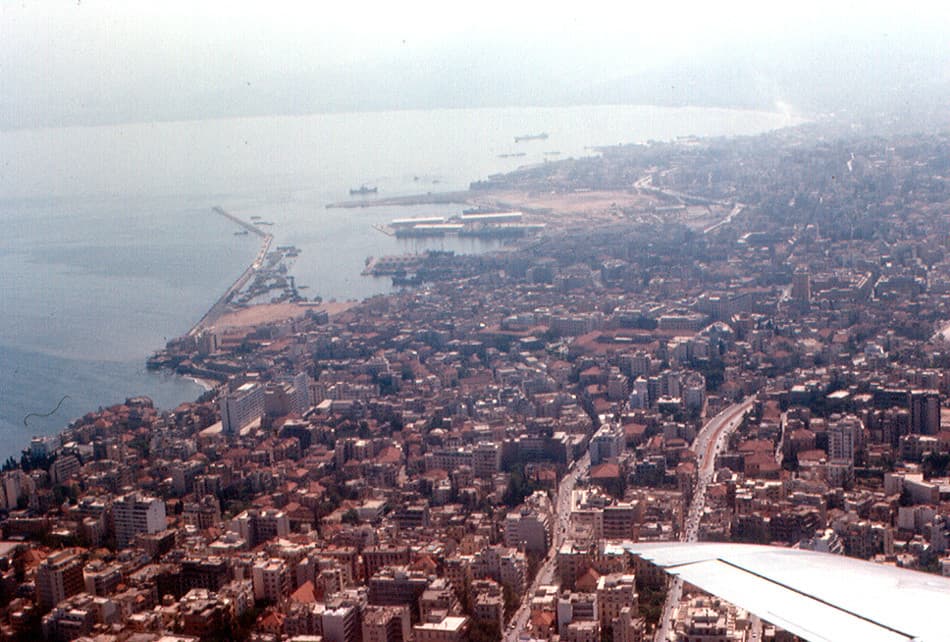
Lebanon Travel Guide: Beirut, Baalbek & the Cedars
Categories
Tags
Lebanon is a small, mountainous Eastern Mediterranean country that packs Roman ruins (Baalbek), snow-capped peaks and ancient cedars, Crusader ports (Byblos), the glittering Jeita Grotto, and one of the world's great cuisines into a few hours' drive of Beirut. The best weather is spring (April–June) and autumn (September–November); allow seven to ten days to loop the highlights.
Lebanon Travel Guide: Beirut, Baalbek & the Cedars
Lebanon is a country that defies its size. You can wake in buzzing Beirut, drive an hour into the mountains to stand among ancient cedars and snow fields, descend to walk through one of the largest Roman temple complexes ever built, and be back on the Mediterranean coast for grilled fish and arak by sunset. It is the most cosmopolitan corner of the Eastern Mediterranean — a layered blend of Phoenician, Roman, Crusader, Ottoman, and French influence — and its food is, without exaggeration, among the best in the world. Travel here does require care and current information, given the country's political and economic challenges, but for well-prepared travelers Lebanon delivers an extraordinary density of history, landscape, and hospitality.
Quick Facts at a Glance
- Capital: Beirut
- Currency: Lebanese pound (LBP); USD widely accepted and commonly used
- Languages: Arabic (official); French and English widely spoken
- Religion: A mix of Christian and Muslim communities, with many sects — uniquely diverse for the region
- Visa: Visa-on-arrival for many nationalities (US, Canada, EU, UK, Australia); check current rules and passport-stamp sensitivities
- Population: Around 5.5 million
- Best for: History and ruins, mountains and hiking, food and wine, city life
- Recommended duration: 7–10 days
- Budget: Variable — comparable to southern Europe in Beirut; more affordable elsewhere; sensitive to exchange-rate swings
- Getting around: Rental car or hired driver-guide (roads are good but driving is intense); shared taxis (service)
- Time zone: GMT+2 (GMT+3 in summer)
Why Visit Lebanon?
Lebanon's appeal is how much it crams into a country you can cross in a few hours.
What Makes Lebanon Special
- Remarkable density: Roman ruins, Crusader ports, cedar forests, and ski slopes within a short drive of Beirut.
- One of the world's great cuisines: Mezze, grilled meats, fresh seafood, and outstanding wine.
- Deep history: Phoenician, Roman, Byzantine, Crusader, and Ottoman layers, often stacked on the same site.
- Mountain-and-sea geography: Among the few places you can ski and swim on the same day.
- Cosmopolitan Beirut: Once called the "Paris of the Middle East" and still the region's liveliest city.
- Genuine hospitality: Lebanese warmth is famous and deserved.
Lebanon Region by Region
Beirut
The capital is the natural gateway and a destination in itself. Explore the rebuilt Downtown and Roman baths, the National Museum of Beirut (a superb archaeology collection), the fashionable neighborhoods of Mar Mikhael and Gemmayzeh with their bars, galleries, and restaurants, and the seafront Corniche. Beirut's energy, food scene, and nightlife are unmatched in the region — it is the beating heart of the country.
Byblos (Jbeil)
About 40 minutes north of Beirut, Byblos is one of the oldest continuously inhabited cities in the world, with a Phoenician, Roman, and Crusader past layered on the same harbor. Wander the atmospheric ruins, the medieval harbor and Crusader castle, the old souk, and the waterfront fish restaurants. It is one of Lebanon's most rewarding day trips.
Jeita Grotto and Harissa
The Jeita Grotto, a vast and staggeringly beautiful limestone cave system with stalactites and stalagmites and an underground river, is a national symbol and a finalist for the New 7 Wonders of Nature. Nearby, a cable car climbs to Harissa and the towering Shrine of Our Lady of Lebanon, with sweeping views over the Bay of Jounieh.
The Cedars and the North
In the high mountains of the north, the Cedars of God (Arz ar-Rabb) forest near Bsharri protects a remnant of the ancient cedar forests that once covered the region and still symbolize Lebanon. Nearby is the Qadisha Valley (Holy Valley), a UNESCO site of dramatic gorges and ancient monasteries carved into the rock, and the Kadisha hermitages. This is also Lebanon's small but real ski country in winter, around Mzaar (The Cedars).
Baalbek and the Bekaa Valley
East over the mountains, the Bekaa Valley holds two of Lebanon's headline sights. Baalbek is one of the most spectacular Roman sites anywhere — the colossal temples of Bacchus, Jupiter, and Venus, with stones among the largest ever quarried in the ancient world. The Bekaa is also Lebanon's wine country, home to historic wineries like Château Ksara and Château Musar, and to Anjar, a UNESCO-listed Umayyad city. Note: the route to Baalbek should be travelled with current local advice.
The South
The south offers the Crusader sea castle and old souks of Sidon (Saida), the Roman and Phoenician sites of Tyre (Sour) (a UNESCO site with a hippodrome and beachside ruins), and the coastal resort town of Batroun with its beaches, bars, and Phoenician wall. Travel in the south and toward borders requires current security advice.
Top Things to Do
History and Ruins
- Stand under the colossal columns at Baalbek
- Wander the layered harbor ruins of Byblos
- Explore the Roman and Phoenician remains at Tyre
- Visit the National Museum in Beirut
Mountains and Nature
- Walk among the Cedars of God
- Hike the Qadisha Valley to its rock monasteries
- Tour the glittering Jeita Grotto
- Ski at Mzaar in winter
Food, Wine, and City Life
- Eat your way through Beirut's mezze
- Tour the Bekaa wineries (Ksara, Musar)
- Bar-hop in Mar Mikhael and Gemmayzeh
- Ride the Corniche at sunset
Coast
- Swim and snack in Batroun
- Photograph the Sidon Sea Castle
- Walk the old souks of Saida
Suggested 7–10 Day Lebanon Itinerary
Lebanon is compact enough that drives are short, though Beirut traffic and mountain roads add time.
Days 1–2 — Beirut
Arrive in Beirut; explore Downtown, the National Museum, Mar Mikhael and Gemmayzeh, and the Corniche. Eat well.
Day 3 — Byblos and Jeita
Day trip north to Byblos for the ruins and harbor lunch, plus Jeita Grotto and the Harissa cable car.
Days 4–5 — The Cedars and Qadisha
Head into the mountains to the Cedars of God, the Qadisha Valley monasteries, and the town of Bsharri (home of writer Khalil Gibran). Optional winter skiing.
Days 6–7 — Baalbek and the Bekaa
Cross to the Bekaa for Baalbek, the wineries of Château Ksara and others, and the Umayyad ruins of Anjar.
Days 8–9 — Sidon, Tyre, and Batroun (with current advice)
Explore the southern coast — Sidon's sea castle, Tyre's beachside ruins, and the resort town of Batroun.
Day 10 — Beirut and Departure
A final market, meal, and walk through Beirut before flying home.
Best Time to Visit
Spring (April–June) — Best Overall
Mild weather, green mountains, and wildflowers — ideal for sightseeing, hiking, and the coast.
Autumn (September–November) — Also Excellent
Warm seas, comfortable temperatures, and the grape harvest in the Bekaa wine country.
Summer (July–August)
Hot and humid on the coast, but the perfect time for the cool mountains. Peak domestic-tourism season.
Winter (December–March)
Cold and wet on the coast, snow in the mountains and a small ski season at Mzaar and the Cedars. Quieter for sightseeing.
Getting There and Around
Fly into Beirut–Rafic Hariri International Airport (BEY), with good connections across Europe, the Middle East, and beyond. Once there:
- Rental car: The most flexible option, but Lebanese driving is intense and mountain roads winding; confident drivers only.
- Hired driver-guide: The comfortable and informative choice, easily arranged through operators.
- Shared taxis (service): Cheap shared cars on fixed routes between cities.
- Buses and minibuses: Connect major towns at low cost.
Where to Stay
- Budget: Hostels and guesthouses in Beirut, Byblos, and Batroun.
- Mid-range: Comfortable boutique hotels and city hotels across the country, often family-run.
- Boutique and heritage: Restored old houses in Beirut, Byblos, and the mountain villages.
- Mountain eco-lodges: Characterful lodges in the Qadisha region and around the Cedars.
- Beach resorts: Along the coast, especially around Jounieh, Batroun, and the south.
Food and Drink
Lebanese food is one of the world's great cuisines and a reason to visit on its own:
- Mezze: An endless spread of small dishes — hummus, baba ganoush (mutabbal), tabbouleh, fattoush, labneh, warak enab (stuffed vine leaves), sfiha.
- Grilled meats: Shish tawook, kafta, and mixed grills.
- Kibbeh: Bulgur and meat croquettes, a national staple.
- Manakish: Zaatar- or cheese-topped flatbread, the Lebanese breakfast.
- Seafood: Fresh fish and seafood on the coast, especially in Tyre, Batroun, and Byblos.
- Desserts: Baklava and the beloved knafeh (cheese pastry in syrup).
- Drink: Lebanese wine (Château Musar, Ksara), arak (anise spirit), and excellent coffee.
Costs and Budgeting
Lebanon's economy has experienced severe volatility, and prices for visitors can swing with the exchange rate. In general, Beirut hotels and dining sit around southern European levels, while local eateries and guesthouses elsewhere are more affordable. USD is widely accepted and often preferred; carry small USD notes and some Lebanese pounds. Check the current economic and security situation before travel, as it affects ATMs, power, fuel availability, and prices. Budgeting here is genuinely dynamic, so build in a buffer and confirm costs close to travel.
Safety and Practical Tips
- Check current advisories: Lebanon's security situation can change. Follow your government's travel advice, avoid border regions and Palestinian refugee camps, and monitor local news.
- Travel with a reputable operator or local guide, especially for Baalbek and the south.
- Power and cash: Power cuts and ATM limits have been common; carry cash and a power bank.
- Passport stamps: Entry can be refused if your passport shows evidence of travel to Israel; confirm rules in advance.
- Dress and respect: Lebanon is diverse and relatively liberal in Beirut and Christian areas; dress modestly in more conservative and religious sites.
- Driving: Roads are good but driving is aggressive; consider a hired driver if unsure.
- Health: Tap water is generally avoided; drink bottled. Carry travel insurance that covers medical evacuation.
Baalbek in Depth: The Greatest Roman Site You've Never Heard Of
If Lebanon has a single unmissable sight, it is Baalbek. Set on a fertile plateau in the Bekaa Valley beneath the snow-capped Anti-Lebanon mountains, the complex of temples known to the Romans as Heliopolis is one of the most spectacular archaeological sites anywhere in the former Roman Empire — and it remains remarkably off the radar for most Western travelers. The Temple of Bacchus is the best preserved of the great Roman temples, its colossal scale and exquisite detail almost overwhelming up close; its inner sanctuary and the famous inhabited vine scrolls on its doorway are among the finest Roman carvings to survive anywhere. The even larger Temple of Jupiter, of which six towering columns still stand, used stones so enormous (some of the largest building blocks ever quarried in the ancient world, including the 1,000-ton Stone of the Pregnant Woman in a nearby quarry) that scholars still debate how they were moved and raised.
Wandering the site, you climb through propylaea and hexagonal forecourts before the temples reveal themselves in full, and at every turn the contrast between the human and the monumental humbles you. The site's long religious history — Phoenician, Roman, Byzantine, and Islamic — layers visibly across the stones, with a medieval mosque built into the complex and later fortifications. Allow at least half a day to absorb it properly, ideally in morning or late-afternoon light when the stones glow and the crowds thin. Combine Baalbek with a visit to the nearby wineries and to Anjar, the well-preserved Umayyad city a short drive away, for a full and astonishing Bekaa day. Because Baalbek sits in a region whose security situation has fluctuated, always check current advice and travel with a reputable operator or guide.
The Cedars, Qadisha, and the Northern Mountains
In Lebanon's high northern mountains, the landscape and the pace change completely. The Cedars of God (Arz ar-Rabb) near Bsharri protect a small but awe-inspiring remnant of the vast cedar forests that once covered the Levant and that gave Lebanon both its national symbol and its ancient wealth; the trees, some over a thousand years old, rise in dark, fragrant columns against the mountain sky. From the cedars, trails lead into the Qadisha Valley (Wadi Qadisha), a dramatic river gorge that became a refuge for Maronite Christian monastic communities from the earliest centuries, and whose rock-cut monasteries — including Deir Qannubin and Deir Mar Elisha — cling to the cliffs above the river. The valley is a UNESCO World Heritage site for both its natural and cultural significance, and walking between its monasteries is one of the most atmospheric experiences in the country.
Nearby, the town of Bsharri is the birthplace of the poet and painter Khalil Gibran, author of The Prophet, and a small museum there tells his story. In winter, the high mountains around Mzaar-Kfardebian and the Cedars ski area host Lebanon's small but real ski season — one of the few places in the world where, in spring, you can ski in the morning and swim in the Mediterranean in the afternoon. The north also offers Tripoli, Lebanon's second city, with its Crusader Citadel of Raymond de Saint-Gilles, its medieval Mamluk architecture, and a famous soap-making tradition. This northern mountain region, with its cool air, cedar scent, and deep religious history, offers a Lebanon utterly unlike the coast — and is essential for any traveler wanting the full picture.
Beirut in Depth: History, Resilience, and the Night
Beirut is a city that has been destroyed and rebuilt so many times that resilience is woven into its character, and travelers who engage with its complexity are rewarded enormously. Beyond the rebuilt Downtown and the staggering Roman baths and cardo uncovered beneath modern streets, the National Museum of Beirut holds one of the great archaeological collections of the Eastern Mediterranean — sarcophagi, mosaics, and statuary spanning Phoenician, Roman, Byzantine, and Arab periods, much of it rescued and hidden during the civil war. The Sursock Museum, a beautifully restored 19th-century villa, anchors the city's contemporary art scene in the elegant Achrafieh district, and the MIM Mineral Museum holds one of the world's finest private mineral collections, an unexpected gem.
Beirut's food and nightlife are legendary and genuinely live up to the hype. The neighborhoods of Gemmayzeh and Mar Mikhael pulse with bars, restaurants, galleries, and rooftop terraces; the Hamra district near the American University carries the intellectual energy of the city's storied past; and the Corniche seafront comes alive at sunset with walkers, joggers, and families. Beirutis are warm, multilingual, and resilient; conversations about the city's history — including the civil war and the ongoing economic and political crises — are common and candid once trust is established. A few days in Beirut, eating mezze, listening to live music, and walking its layered neighborhoods, is to experience a city that refuses, with extraordinary grace, to be defined by its difficulties.
Lebanese Food: A Proper Deep Dive
Lebanese cuisine is not just excellent — it is one of the great culinary traditions of the Mediterranean, and eating your way through the country is half the joy of visiting. The meal typically begins with mezze, a sprawling array of small dishes designed for sharing: creamy hummus, smoky baba ganoush (mutabbal), the bulgur-and-parsley salad tabbouleh, the crisp-fried-pita fattoush, garlicky labneh and muhammara, stuffed vine leaves (warka enab), and little pies like sfiha and fatayer. Then come the hot dishes: grilled shish tawook and kafta, crisp kibbeh (the national dish of bulgur and meat, served raw, cooked, or fried), and roasted chicken and lamb. On the coast, fresh fish and seafood — often simply grilled and served with lemon and olive oil — is the centerpiece, especially at harborside restaurants in Byblos, Tyre, and Batroun.
Street food deserves attention too. Manakish, the flatbread topped with zaatar, cheese, or minced meat, is the essential Lebanese breakfast, baked in wood-fired ovens and eaten folded. Shawarma, falafel, and sujuk sandwiches are everywhere and excellent. Sweets lean on baklava and the beloved knafeh, a warm cheese pastry in orange syrup best eaten fresh and gooey. To drink, Lebanon produces genuinely excellent wine — the Château Musar reds are internationally famous, and Château Ksara and a new wave of boutique producers are worth seeking out — alongside arak, the anise spirit diluted with water and ice that accompanies mezze. Coffee is strong and ubiquitous, often flavored with cardamom. A serious eater could build an entire Lebanon itinerary around the table, and many travelers do.
Wine Country in the Bekaa
The Bekaa Valley, shielded between the Lebanon and Anti-Lebanon mountain ranges and bathed in high-altitude sun, has produced wine for thousands of years, and modern Lebanese winemaking is a quiet but serious force. The valley is home to Château Ksara, the country's largest and oldest winery, founded by Jesuit monks in 1857 and now open for tours and tastings in its evocative Roman-era cellars; Château Musar, the cult producer whose distinctive, age-worthy reds have a global following; and a growing number of smaller, often family-run estates producing excellent whites, rosés, and reds from both international and indigenous grapes. A day of winery visits — with long lunches overlooking the vineyards and the snow-capped mountains beyond — is one of Lebanon's most relaxed and rewarding experiences.
A few practical notes: most wineries require advance booking for tours and tastings, and several offer excellent food, making lunch part of the plan. The Bekaa is also where you'll find Anjar, the well-preserved Umayyad city, and the road up and over the mountains from Beirut (or back) is spectacular in itself, climbing through dramatic gorges and cedar slopes. The same trip can combine Baalbek, Anjar, and a winery in a single full day, though spreading it over two lets you savor each. Lebanese wine, like Lebanese food, is a genuine surprise to many first-time visitors — and one of the great pleasures of the trip.
The Coast in Detail: Byblos, Batroun, Sidon, and Tyre
Lebanon's coast packs an extraordinary range of history and character into a short strip of Mediterranean, and these four towns each deserve attention. Byblos (Jbeil), about 40 minutes north of Beirut, is one of the oldest continuously inhabited cities in the world — a Phoenician port that gave the Greek language the word for "book" (and ultimately "Bible") because of its papyrus trade. Its layered ruins — Phoenician, Egyptian, Roman, and Crusader — cluster around a picturesque harbor and medieval castle, with the Crusader church of St. John the Baptist, the atmospheric old souk, and excellent harborside fish restaurants. It is one of the most rewarding day trips from Beirut and rewards an overnight if you want to enjoy the old town at dawn.
Further north, Batroun has become Lebanon's chic coastal getaway, a small town of restored old houses, seaside bars, beaches, and a famous Phoenician wall and sea-cut. It's a great base for swimming, kayaking, and a lively evening scene, and it sits close to the Pierre & Friends beach-bar atmosphere and the Colombier restaurant that have made it famous. South of Beirut, Sidon (Saida) offers a magnificent Crusader sea castle on a small island, a vast and atmospheric soap museum, and one of the most authentic souks in the country. Further south still, Tyre (Sour) holds spectacular Roman ruins — a vast hippodrome and a necropolis — set beside a working fishing harbor and a beautiful sand beach, making it one of the rare archaeological sites you can visit and then swim from. Travel in the south and near the borders requires current security advice, but the historic and coastal rewards are considerable.
Practical Logistics for a Lebanon Trip
A few logistics notes make a Lebanon trip smoother. Beirut–Rafic Hariri International Airport (BEY) is the gateway, with frequent flights from Europe, the Gulf, and Istanbul. Visas-on-arrival are available for many nationalities, but check current rules and note that an Israeli stamp or evidence of travel to Israel in your passport can lead to refused entry. Most travelers get around with a rental car or hired driver-guide, since distances are short but public transport is limited; driving in Beirut is intense, and mountain roads are winding, so a confident driver or a hired local driver is often the better choice. Cash (USD and Lebanese pounds) is king, and the economic situation means ATMs, power, and fuel can be unpredictable — carry cash, a power bank, and a buffer of essentials.
English and French are widely spoken alongside Arabic, so communication is rarely a problem. The season matters: spring and autumn are ideal for sightseeing, summer is best for the mountains, and winter brings snow and a small ski season. Build a buffer day or two for flexibility, since conditions (political, infrastructural, and weather) can shift. Engage a reputable local operator or guide, especially for Baalbek and the south, and read current travel advisories. Lebanon rewards travelers who come curious, travel informed, and adapt gracefully — and those who do find one of the most rewarding, complex, and genuinely memorable countries in the region.
Final Thoughts
Lebanon is the kind of destination that reshapes how you think about a region. Few countries offer this much — Roman grandeur at Baalbek, primeval cedars, snow peaks above a turquoise sea, a Phoenician harbor where you can still buy fish, and a table of mezze that may be the best meal of your life — in so compact and accessible a package. It also requires honest preparation: conditions can change, and you should travel informed, with reputable operators, and with eyes open. Come ready for that, and Lebanon rewards you with history, landscape, and hospitality found nowhere else. Find Lebanon itineraries and operator listings on the tours marketplace and more stories on the travel blog.
Frequently Asked Questions
Lebanon has faced serious political and economic challenges, and security conditions can change. The main tourist circuit — Beirut, Byblos, the Cedars, Baalbek, and the wine country — has generally remained open to visitors, and many travelers visit without incident. However, you must check your government's current travel advisory, avoid border areas and refugee camps, and follow local news. Travel with a reputable local guide or operator, and reconsider visits during periods of active unrest.
Spring (April to June) and autumn (September to November) offer the most comfortable weather for sightseeing, hiking, and the coast. Summer (July and August) is hot on the coast but perfect for the mountains. Winter (December to March) brings snow to the peaks and a small ski season at the Cedars (Mzaar). Avoid periods of active political tension and check current conditions before booking.
Seven to ten days lets you cover Beirut, Byblos, the Cedars and north, the Roman ruins of Baalbek, the Bekaa wine country, and the Jeita Grotto with some beach and mountain time. Lebanon is compact — you can see a remarkable amount in a week because drives are short, though traffic around Beirut can be slow.
Citizens of many countries, including the United States, Canada, the European Union, the United Kingdom, and Australia, can obtain a visa on arrival for stays up to one month (sometimes longer), often free or for a small fee. Rules and durations vary by nationality, and entry can be refused if your passport shows travel to Israel. Always confirm current requirements before travel.
Lebanon is famous for one of the world's great cuisines (hummus, tabbouleh, mezze), the vast Roman ruins at Baalbek, the ancient Cedars of Lebanon, the lively and cosmopolitan city of Beirut, the Phoenician port of Byblos (among the oldest continuously inhabited cities), and the striking mountain-and-sea geography that lets you ski and swim on the same day.
Lebanon's economy has gone through severe volatility, and prices for visitors can swing with the exchange rate. In general, mid-range travel is comparable to southern Europe for hotels and dining in Beirut, while local food and guesthouses elsewhere are more affordable. Carry USD (widely accepted) and some local currency, and check the current economic situation before travel, as it affects everything from ATMs to power supply.
Yes. Lebanon is the most wine- and spirit-friendly country in the region, with a long Christian population and a winemaking tradition stretching back thousands of years. Local wines (Château Ksara, Musar) and arak (anise spirit) are widely available, and Beirut has a thriving bar and nightlife scene. Modesty and respect still apply in more conservative, mainly Muslim areas.
Start with mezze — hummus, baba ganoush, tabbouleh, fattoush, and labneh — then move on to grilled meats, kibbeh, and manakish (zaatar flatbread). Don't miss fresh seafood on the coast, baklava and knafeh for dessert, and Lebanese wine or arak to drink. The food alone is reason enough to visit.
Adventure Knit Editorial
Destination research compiled and fact-checked by the Adventure Knit editorial team from published sources, operator itineraries, and official tourism boards. Spot something out of date? Tell us at hello@adventureknit.com.
Related Stories
 Romania
Transylvania & the Carpathians: Romania Adventure Guide
Complete Romania travel guide covering Transylvania, Bran and Peleș castles, the Carpathian mountains, painted monasteries of Bucovina and the Danube Delta.
 Senegal
Senegal Travel Guide: Dakar, Gorée & the Pink Lake
Complete Senegal travel guide covering Dakar, Île de Gorée, the Pink Lake (Lake Retba), Saint-Louis, the Sine-Saloum delta and Casamance, with itinerary, food and tips.
 Uruguay
Uruguay Travel Guide: Montevideo, Colonia & Punta del Este
Complete Uruguay travel guide covering Montevideo, Colonia del Sacramento, Punta del Este, the wild Rocha coast and gaucho country, with itinerary, food and tips.
Enjoyed this article?
Explore more stories from our adventures around the world