
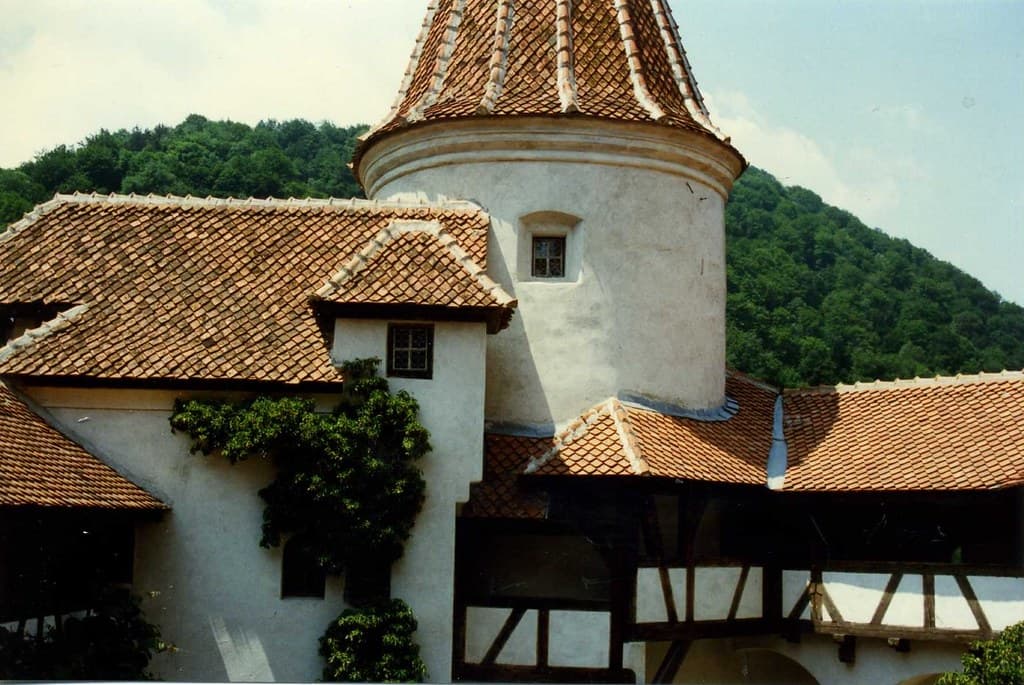
Transylvania & the Carpathians: Romania Adventure Guide
Categories
Tags
Romania offers medieval Transylvanian towns like Brașov, Sibiu and Sighișoara, fairytale castles (Peleș and Bran), the hiking trails and wildlife of the Carpathian Mountains, the painted monasteries of Bucovina, and the bird-rich Danube Delta. The best time for hiking and sightseeing is May to June and September to October; plan ten to fourteen days to loop the highlights.
Transylvania & the Carpathians: Romania Adventure Guide
Romania is Eastern Europe's great value-and-variety destination. In a single trip you can wander the cobbled medieval squares of Transylvania, stand beneath the spires of a fairytale royal castle, hike ridge trails in the Carpathians where bears and wolves still roam, admire 500-year-old frescoed monasteries, and drift through a UNESCO wetland delta alive with pelicans. It is cheaper than the west, far less crowded, and packed with genuine adventure. The Dracula myth draws the crowds to Bran, but travelers who look past it find one of Europe's most rewarding, under-the-radar corners.
Quick Facts at a Glance
- Capital: Bucharest
- Currency: Romanian leu (RON)
- Language: Romanian (a Romance language); English widely spoken by younger people and in tourism
- EU member: Yes (joined 2007); Schengen air-and-sea borders opened 2024–25
- Population: Around 19 million
- Best for: Medieval towns, castles, mountain hiking, wildlife, painted monasteries
- Recommended duration: 10–14 days
- Budget: One of Europe's best-value destinations
- Getting around: Trains (CFR), buses, rental car (ideal for villages)
- Time zone: Eastern European Time (EET)
Why Visit Romania?
Romania's appeal is the sheer range it offers at a price that's hard to beat anywhere in Europe.
What Makes Romania Special
- Medieval towns: Brașov, Sibiu, and Sighișoara have beautifully preserved cores of colored houses and cobbled lanes.
- The Carpathians: A huge arc of mountains covering much of the country, with hiking for every level and Europe's largest brown-bear and wolf populations.
- Fairytale castles: From the Gothic silhouette of Bran to the staggering royal splendor of Peleș.
- Painted monasteries: The exterior-frescoed churches of Bucovina are a UNESCO wonder.
- Saxon villages and fortified churches: A unique medieval German heritage across Transylvania.
- Outstanding value: Comfortable travel for a fraction of Western European prices.
Romania Region by Region
Bucharest
Start in the capital, often called "Little Paris" for its belle-époque architecture. Don't miss the gargantuan Palace of Parliament (one of the world's largest buildings, a Ceaușescu legacy), the lively Lipscani Old Town, the excellent open-air Village Museum, and the city's growing cafe and craft-beer scene. Bucharest is gritty, energetic, and a great launchpad.
Transylvania — Brașov, Sibiu, Sighișoara
The heart of Romania. Brașov, ringed by mountains, has a gorgeous old center and the Black Church. Sibiu, a European Capital of Culture, is famed for its "eyes" on the rooftops and its grand squares. Sighișoara, birthplace of Vlad the Impaler, is one of the best-preserved inhabited medieval citadels in Europe. Between them lie Saxon villages with fortified churches like Biertan and Viscri.
The Castles
Three stand out. Bran (the "Dracula" castle) is atmospheric but touristy; the link to Vlad is thin. Peleș in Sinaia is the genuine showstopper — a German-Neo-Renaissance royal palace straight from a storybook. Corvin in Hunedoara is one of the largest Gothic castles in Europe and dramatically imposing. See all three if time allows, but prioritize Peleș.
The Carpathians
The Carpathian arc curves across Romania and offers some of Europe's best hiking. Key areas include Bucegi and Piatra Craiului (with its famous ridge and the Zărnești gorge) around Brașov, the Făgăraș mountains (the country's highest, crossed by the Transfăgărășan road), and the remote Rodnei and Retezat ranges. Look for chamois on the cliffs and (from a respectful distance) bears, wolves, and lynx. The Transfăgărășan and Transalpina are two of the world's great scenic drives.
Maramureș
In the far north, Maramureș is a time-capsule of wooden churches, hay meadows, and rural tradition. Ride the narrow-gauge Mocănița steam logging train through the Vaser Valley, visit the famously cheerful Merry Cemetery of Săpânța (with its brightly colored, witty epitaphs), and sleep in village guesthouses where life still follows the seasons.
Bucovina
Neighboring Bucovina is home to the painted monasteries — 15th- and 16th-century churches covered in vivid exterior frescoes depicting biblical scenes. Voroneț (the "Sistine Chapel of the East"), Humor, Sucevița, and Moldovița are the highlights, all UNESCO-listed and astonishingly well preserved.
The Danube Delta
Where the Danube meets the Black Sea, the Danube Delta is Europe's largest wetland and a UNESCO biosphere reserve teeming with birds — pelicans, herons, egrets, and hundreds more. Explore by boat from Tulcea or Sfântu Gheorghe, stay on floating hotels, fish, and watch endless sunsets over the reeds.
Top Things to Do
Castles and Medieval Towns
- Wander Brașov, Sibiu, and Sighișoara
- Tour the royal splendor of Peleș Castle
- Photograph atmospheric Bran and Gothic Corvin
- Visit the fortified Saxon churches of Biertan and Viscri
Mountain Hiking and Scenic Drives
- Hike the Piatra Craiului ridge and the Zărnești gorge
- Drive the Transfăgărășan and Transalpina (summer only)
- Trek in the Făgăraș or Retezat ranges
Wildlife
- Watch brown bears responsibly from organized hides
- Boat the Danube Delta for pelicans and herons
- Spot chamois and capercaillie in the high Carpathians
Culture
- Marvel at the painted monasteries of Bucovina
- Ride the Mocănița steam train in Maramureș
- Read the witty epitaphs at the Merry Cemetery of Săpânța
Suggested 10–14 Day Itinerary
Days 1–2 — Bucharest
Arrive in Bucharest; visit the Palace of Parliament, Lipscani Old Town, and the Village Museum.
Days 3–4 — Sinaia, Brașov, Bran
Drive north to Sinaia for Peleș Castle, then base yourself in Brașov with a day-trip to Bran.
Days 5–6 — Sibiu and Sighișoara
Cross to Sibiu (with a side trip to a fortified Saxon church at Biertan), then on to Sighișoara.
Days 7–8 — Carpathian Hiking
Two days hiking in Piatra Craiului or Bucegi, based in Zărnești or Moieciu.
Days 9–11 — Maramureș and Bucovina
Head north to ride the Mocănița and visit the Merry Cemetery, then the painted monasteries of Bucovina.
Days 12–14 — Danube Delta or Transfăgărășan
End with a boat-based trip into the Danube Delta (summer) or a drive over the Transfăgărășan before returning to Bucharest.
Best Time to Visit
Late Spring (May–June) — Best for Hiking
Mild, green, and lush, with wildflowers in the mountains and fewer tourists. Snow may linger on the highest ridges early in the season.
Early Autumn (September–October) — Best Overall
Cool, clear days, beautiful autumn color in the forests, and comfortable hiking and sightseeing.
Summer (July–August)
Warm and busy, with all mountain roads and trails open — including the Transfăgărășan (usually from late June/July). The best window for the high alpine drives.
Winter (December–March)
Ski season in Poiana Brașov, Sinaia, and the Bâlea Lac area, plus atmospheric snow-dusted medieval towns. The Transfăgărășan and Transalpina are closed.
Getting There and Around
Fly into Bucharest (OTP) or Cluj-Napoca (CLJ), both with good European connections. Once there:
- Trains (CFR): Connect most cities reasonably well; book Intercity trains for the best comfort.
- Buses and minibuses (maxitaxis): Fill in where trains don't go, especially to rural villages.
- Rental car: The best option for the castles, Saxon villages, Maramureș, and Bucovina. Roads have improved enormously; drive defensively in rural areas.
- Bucharest metro: Cheap and useful for getting around the capital.
Where to Stay
- Budget: Hostels and guesthouses (pensiuni) in every town — extraordinary value.
- Mid-range: Comfortable pensiuni and boutique hotels in Brașov, Sibiu, and Sighișoara.
- Village guesthouses: The authentic option in Maramureș and the Saxon villages, often with home-cooked food.
- Floating hotels: In the Danube Delta, a unique base for boating trips.
- Luxury: A small but growing set of restored castles and grand hotels.
Food and Drink
Romanian food is hearty, comforting, and underrated:
- Sarmale: Cabbage rolls stuffed with pork and rice, served with polenta and sour cream.
- Mămăligă: Cornmeal polenta, often topped with cheese and sour cream.
- Mici: Skinless grilled sausages, a barbecue staple.
- Ciorbă: Sour soup (often with tripe, ciorbă de burtă, or meatballs).
- Mici and pălincă: Grill them at home; here, pair them with țuică or pălincă, potent plum or fruit brandies.
- Wine: Romania has an ancient and underrated wine culture — try local reds like Fetească Neagră.
Costs and Budgeting
Romania is one of the best-value countries in the EU. Accommodation, food, and transport all cost substantially less than in Western Europe, especially outside Bucharest and the main tourist towns. A hearty meal at a local restaurant costs a fraction of its Western equivalent, museum entries are inexpensive, and even comfortable boutique hotels are very affordable. The main variable is the cost of a rental car and fuel for the rural loop, which is worth it for the flexibility.
Safety and Practical Tips
- Bears: Never approach, feed, or photograph bears at close range; avoid roadside "feeding" stops, which harm the animals. Use organized hides for responsible bear-watching.
- Driving: Watch for stray dogs and roaming livestock on rural roads, and drive defensively in cities.
- Mountains: Stick to marked trails, carry a map and water, and check in with Salvamont (mountain rescue) for serious routes. Weather changes fast at altitude.
- Tap water: Generally safe to drink in cities.
- Tipping: Around 10% is customary in restaurants.
- Cash: Cards are widely accepted in cities; carry some cash for rural guesthouses and small stops.
The Saxon Villages and Fortified Churches
One of Europe's great under-the-radar cultural landscapes spreads across southern Transylvania: the Saxon villages founded by German settlers invited here in the 12th century by the Hungarian kings. For 800 years these communities built a remarkable landscape of tidy villages, terraced fields, and — most strikingly — fortified churches, in which the whole village could take refuge during invasion. Many are now UNESCO World Heritage sites, including the magnificent Biertan with its massive ring of walls and its ingenious lock with multiple bolts, and Viscri, where Prince Charles has famously championed restoration and where whitewashed houses line a single cobbled street to a fortified church.
Visiting these villages is a step into a slower, older Europe. In Malancrav, Cisnădioara, Prejmer (with its remarkable honeycomb of small rooms built into the church walls, one per family), and Valea Viilor, you can wander essentially unchanged medieval streetscapes, sleep in restored guesthouses, eat food grown in neighboring fields, and meet the few remaining Saxon families alongside Romanian and Roma communities. A growing network of rural guesthouses and craft workshops makes this one of Europe's most rewarding slow-travel regions. Rent a car in Sibiu or Sighișoara and spend several days threading between villages on quiet back roads — this is the Transylvania that lingers longest in memory.
Bears, Wolves, and Responsible Wildlife Watching
The Carpathian Mountains are home to Europe's largest populations of brown bears, wolves, and lynx outside Russia, and encountering them — particularly the bears — is a real possibility. Around Zărnești, Brașov, and the foothills of the Bucegi and Piatra Craiului ranges, bears sometimes approach villages and orchards, and responsible organized bear-watching hides give visitors the chance to observe them safely from a distance at dawn or dusk. These hides, run by conservation-minded operators, are the right way to see wild bears — never the roadside stops that offer to attract bears with food, which are both harmful to the animals and genuinely dangerous.
A few principles matter. Always keep a respectful distance, never feed wildlife, and never approach a bear or its cubs; if you encounter one on a trail, back away slowly without running. Wolves and lynx are far more elusive and are seen by lucky hikers only rarely — their presence is felt more in tracks, scat, and the health of the ecosystem than in sightings. Romania's conservation NGOs work hard to coexist with large carnivores, and supporting them by choosing ethical wildlife tourism helps secure the future of one of Europe's last great wildernesses. Treat the Carpathians as the wild place they are, and they reward you accordingly.
The Transfăgărășan and Transalpina: Driving the High Roads
Two of the world's great mountain roads cross the Carpathians, and driving them is a highlight of any Romania trip. The Transfăgărășan snakes up the Făgăraș mountains to Bâlea Lac, a glacial lake at over 2,000 meters, with switchbacks, tunnels, and views that earned it a place on the world's most famous driving routes. The Transalpina, the highest road in Romania, crosses the Parâng mountains with even more open, alpine scenery and fewer crowds. Both are typically open only from roughly late June or July to October, closing in winter under deep snow — check current status before planning, and arrive early in the day to beat traffic and clouds.
A few driving notes smooth the experience. Both roads are paved but twist endlessly, so motion-sickness-prone passengers should plan ahead; carry layers for the cold at altitude, fuel up before the climb, and build in time for viewpoints, the Bâlea Waterfall, the Vidraru Dam, and the small monastery carved into the rock at Sălătrucu. Cyclists and motorcyclists consider these routes among Europe's finest. Whether you drive them as a day trip from Sibiu or Sibiu-or-Brașov, or weave them into a longer Carpathian loop, the high roads deliver the kind of mountain grandeur most travelers don't associate with Europe at all.
Romania's Wine, Brandy, and Table
Romanian food and drink deserve a chapter of their own. The cuisine is hearty and rooted in the land — sarmale (cabbage rolls), mămăligă (polenta) with cheese and sour cream, slow-cooked ciorbă sour soups, and the smoky grilled mici sausages — but it is the drinks that often surprise. Romania is one of Europe's oldest wine countries, with vines cultivated since before the Romans; today the indigenous Fetească Neagră and Fetească Albă grapes produce distinctive reds and whites worth seeking out, especially from the Dealu Mare, Cotnari, and Murfatlar regions. A growing number of boutique wineries welcome visitors for tastings.
Then there are the spirits. Țuică and pălincă, potent plum and fruit brandies traditionally made in village households, are offered to guests as a sign of welcome — sip slowly, as they range from gentle to genuinely fierce. Coffee culture, craft beer, and a new generation of chefs reinterpreting traditional dishes in Bucharest, Cluj, and Timișoara round out a food scene that is far more interesting than its reputation suggests. Eating your way through Romania — from a village kitchen to a city fine-dining room — is one of the trip's quiet pleasures.
A Note on Travel and Timing in Romania
Romania rewards a relaxed, circuit-based itinerary rather than a single-base day-trip plan. Trains link the big cities reliably, but the country's real treasures — the Saxon villages, the painted monasteries, Maramureș, the delta — call for a rental car and several days each. Allow time for the slow pace of rural life, the long lunches, and the unplanned detours that define a good Romania trip. The shoulder seasons of May–June and September–October are ideal: mild weather, beautiful light, manageable crowds, and the mountains at their most inviting. Summer brings all roads open (including the Transfăgărășan) but also busier tourist sites and hot afternoons; winter offers skiing and snow-dusted medieval towns but closes the high roads. Build in a buffer day for flexibility, drive defensively in rural areas, and let Romania's layered, generous character unfold at its own pace.
Bucharest Beyond the Palace
Bucharest gets a mixed press, but travelers who give it more than a transit day discover a complex, fascinating capital. Beyond the staggering Palace of Parliament — Ceaușescu's gargantuan legacy, the world's second-largest administrative building after the Pentagon — the city reveals a layered identity. Lipscani, the restored Old Town, hums with bars, restaurants, and restored merchant houses; the Stavropoleos Church is a jewel of Brâncovenesc architecture tucked among them; and the Calea Victoriei boulevard leads past belle-époque mansions, the National Museum of Art, and the Athenaeum, a beautiful concert hall that is a symbol of Romanian culture.
For context, the excellent Village Museum in Herăstrău Park assembles traditional houses from every region of Romania, while the sobering but essential Revolution Square and memorials to the 1989 uprising explain the country's recent history. The city's cafes, craft breweries, and contemporary art spaces have flourished in the past decade, particularly in neighborhoods like Floreasca and the student district. Bucharest is gritty in places — grand facades crumbling beside restored gems — but it is genuinely alive, affordable, and rewarding for travelers willing to look past the surface. Spend two or three nights rather than one, and the city grows on you quickly.
Maramureș and Bucovina in Depth
The far north of Romania is its most traditional corner, and Maramureș feels closer to the 19th century than the 21st. Villages of wooden houses and tall, carved gateways line valleys where hay is still cut by hand and stacked on poles to dry. The wooden churches of the region, with their tall shingled spires, are UNESCO-listed, and the Mocănița — a narrow-gauge steam train that still chuffs up the Vaser Valley through forest — is one of Europe's last working logging railways. The famously cheerful Merry Cemetery of Săpânța, with its brightly painted crosses and witty, occasionally irreverent epitaphs, reframes how a culture can face mortality. Spending a couple of nights in a village guesthouse here, eating home-grown food, is to step into a Romania that has all but disappeared elsewhere.
Neighboring Bucovina is defined by its painted monasteries, built in the 15th and 16th centuries and covered — inside and out — with vivid frescoes that taught biblical stories to an illiterate population. Voroneț, with its famous deep "Voroneț blue," is called the "Sistine Chapel of the East," while Humor, Moldovița, Sucevița, and Arbore each offer distinct palettes and scenes. They are remarkably well preserved thanks to the mineral-based pigments and the region's climate, and the surrounding villages, painted eggs, and gentle forested hills make Bucovina one of Romania's most atmospheric regions. A loop through Maramureș and Bucovina over four or five days is, for many travelers, the soul of the country.
The Danube Delta: Europe's Last Great Wetland
Where the Danube finally meets the Black Sea, it fans out into the Danube Delta, Europe's largest and best-preserved delta and a UNESCO Biosphere Reserve. A labyrinth of channels, reed beds, lakes, and floating islands, it shelters over 300 bird species — including the world's largest colony of great white pelicans, plus pygmy cormorants, herons, egrets, white-tailed eagles, and countless migrants — alongside fish, wild horses, and a handful of traditional fishing communities. The delta is explored almost entirely by boat, from short trips out of Tulcea to multi-day journeys on floating hotels that moor in remote channels and wake you with the call of birds.
Life here follows water and weather rather than clocks. Fishermen still set nets for carp, pike, and the prized starry sturgeon, though the great sturgeon themselves are now strictly protected. Villages like Sfântu Gheorghe and Caraorman, reachable only by water, offer beaches, reed-thatched houses, and a profound sense of remoteness. The best time to visit is spring (April–June) for bird migration and nesting or early autumn (September–October) for comfortable weather; summer brings heat and mosquitoes, winter a stark, frozen silence. For wildlife lovers and anyone seeking true wilderness, the delta is one of the great rewards of a Romania trip.
Practical Tips for a Romania Trip
A few practicalities smooth a Romania trip considerably. English is widely spoken by younger people and across the tourism industry, but a few Romanian phrases — bună ziua (good day), mulțumesc (thank you), la revedere (goodbye) — earn warm smiles across the country, especially in villages where fewer outsiders venture. Romania uses the leu (RON), and cards are accepted in cities and tourist towns; carry some cash for rural guesthouses, churches, and small producers. Tipping around 10% is customary in restaurants, and rounding up for taxis and guides is appreciated. Driving is the best way to reach the Saxon villages, Maramureș, and Bucovina; roads have improved markedly, but watch for stray dogs, roaming livestock, and horse carts on rural routes, and fill up in larger towns in remote regions. Trains are pleasant between the big cities, and Bucharest has a useful metro. Pack layers for mountain weather, sturdy shoes for cobbles and trails, a small first-aid kit for remote areas, and a healthy respect for the wild — Romania rewards travelers who come curious, travel slowly, and leave room for the unexpected discoveries that make a trip memorable.
Final Thoughts
Romania is the rare European destination that still feels genuinely adventurous. It serves up the fairytale imagery — castles, medieval towns, painted churches — alongside real wilderness in the Carpathians and a wetland delta straight out of a nature documentary, all at prices that let you linger. Come for Dracula, if you must, but stay for the hiking, the hospitality, and the sense of a country with one foot in a vivid medieval past and the other in a fast-changing present. Find Transylvania and Carpathian itineraries on the tours marketplace and more European stories on the travel blog.
Frequently Asked Questions
Romania is a safe EU member country and most visits are trouble-free. Violent crime affecting tourists is rare, and the biggest risks are road-related — stray dogs and roaming livestock in rural areas, and erratic city driving. Use normal common sense with belongings in Bucharest and tourist towns, and stick to marked trails in the mountains.
May to June and September to October are ideal for hiking and sightseeing, with mild weather and fewer crowds. July and August are warm and busy. December to March is the ski and winter-village season. Note that the famous Transfăgărășan alpine road typically closes over winter, usually reopening in June or July.
Ten to fourteen days lets you loop Bucharest, Transylvania's medieval towns and castles, Maramureș and the painted monasteries of Bucovina, with time for serious hiking or a trip to the Danube Delta. A focused one-week trip can cover Bucharest, Brașov, Bran, and Sibiu.
Bran Castle, near Brașov, is marketed as 'Dracula's Castle' for its dramatic silhouette and loose association with the Bram Stoker legend and Vlad the Impaler. The connection is tenuous, but the castle is genuinely atmospheric and worth visiting. For pure spectacle, nearby Peleș Castle in Sinaia is the real standout.
Romania is one of the best-value destinations in Europe. Accommodation, food, and transport are noticeably cheaper than in Western Europe, especially outside Bucharest and the main tourist towns. You can travel very comfortably on a modest budget, and even the splurge options cost a fraction of their Western European equivalents.
No. The Transfăgărășan, the spectacular alpine road crossing the Făgăraș mountains, typically closes for winter — usually from late October or November until late June or early July, depending on snow. The Transalpina, a rival high road, has a similar seasonal window. Check current status before planning a summer drive.
Yes — Romania has the largest brown-bear population in Europe outside Russia. Responsible bear-watching is possible from organized hides, especially around Zărnești and the Carpathian foothills. Never approach, feed, or photograph bears at close range, and treat all wild animals with caution. Avoid roadside 'bear-feeding' stops, which are harmful to the animals.
Adventure Knit Editorial
Destination research compiled and fact-checked by the Adventure Knit editorial team from published sources, operator itineraries, and official tourism boards. Spot something out of date? Tell us at hello@adventureknit.com.
Related Stories
 Montenegro
Montenegro Travel Guide: Bay of Kotor & Durmitor
Complete Montenegro travel guide covering the Bay of Kotor, the walled towns of Budva and Kotor, Durmitor National Park, the Adriatic coast and the northern mountains.
 Lebanon
Lebanon Travel Guide: Beirut, Baalbek & the Cedars
Complete Lebanon travel guide covering Beirut, the Roman ruins of Baalbek, the cedars, Jeita Grotto, Byblos and the wine country, with itinerary, food and tips.
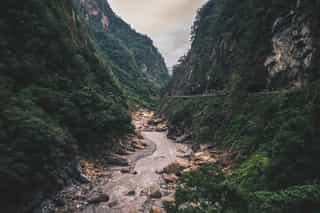 Taiwan
Taiwan Adventure Guide: Taroko Gorge & the East Coast
Complete Taiwan travel guide covering Taipei, Taroko Gorge, the east coast, Kenting, Sun Moon Lake, Alishan and Tainan, with itinerary, night-market food and tips.
Enjoyed this article?
Explore more stories from our adventures around the world