
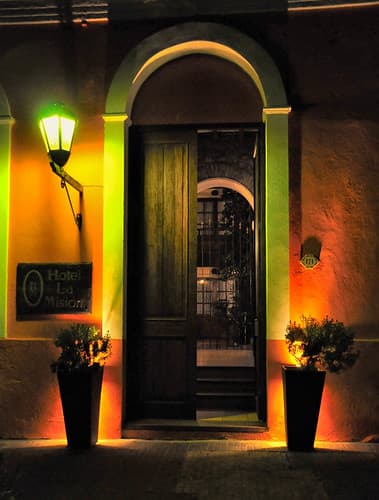
Uruguay Travel Guide: Montevideo, Colonia & Punta del Este
Categories
Tags
Uruguay is a compact, relaxed South American country famous for safe cities, Atlantic beaches, colonial towns, gaucho estancias, and Tannat wine. First-timers should combine Montevideo, the UNESCO old town of Colonia del Sacramento, the Punta del Este coast, and the wild beaches of the Rocha region over ten to twelve days, ideally between December and March or in the pleasant October–November shoulder.
Uruguay Travel Guide: Montevideo, Colonia & Punta del Este
Uruguay is the quiet overachiever of South America. Wedged between Brazil and Argentina, it is small, safe, and surprisingly diverse — a place where you can sip Tannat wine on a colonial plaza, ride with gauchos across the pampas, surf empty Atlantic breaks, and end the day on a wild beach where the only sound is the wind. It lacks the headline-grabbing spectacles of its larger neighbors, which is exactly the point. Travelers who make it here tend to fall for the unhurried rhythm, the friendliness, and the simple pleasure of a country that does a few things — beaches, beef, wine, and quality of life — exceptionally well.
Quick Facts at a Glance
- Capital: Montevideo
- Currency: Uruguayan peso (UYU); USD widely accepted in tourist areas
- Language: Spanish (River Plate dialect); English understood in resorts
- Visa: Visa-free up to 90 days for US, Canada, EU, UK, Australia, most of Latin America
- Population: Around 3.4 million
- Size: Roughly the size of the US state of Washington
- Best for: Beaches, gaucho culture, wine, colonial towns, wildlife
- Recommended duration: 10–12 days
- Budget: One of South America's pricier countries; comparable to southern Europe
- Getting around: Excellent long-distance buses; rental car ideal for the coast
- Seasons: Southern hemisphere (summer Dec–Feb)
Why Visit Uruguay?
Uruguay's charm lies in how much variety it offers within a short, easy drive, and how relaxed all of it feels.
What Makes Uruguay Special
- Safety and ease: One of the Americas' safest and most stable countries, with good infrastructure and friendly locals.
- Atlantic beaches for every taste: From glamorous Punta del Este to off-grid Cabo Polonio.
- Gaucho and estancia culture: Working cattle ranches where you can ride, eat asado, and sleep under the stars.
- Wine country: Especially Tannat, the bold red grape Uruguay has made its own.
- Mate culture: The thermos-and-gourd ritual is a national obsession and a window into daily life.
- Colonial history: Colonia del Sacramento is one of the prettiest old towns on the continent.
Uruguay Region by Region
Montevideo
The capital sits on the wide Río de la Plata and is home to nearly half the country. Explore the cobbled lanes of Ciudad Vieja (Old City), the Mercado del Puerto for grilled meat at parillas, the long seaside Rambla, and neighborhoods like Pocitos and Punta Carretas. The city has a laid-back energy, great museums (the Torres García museum is a highlight), and a thriving tango and candombe music scene. Don't miss the Estévez and Salvo palaces on Plaza Independencia.
Colonia del Sacramento
A short ferry ride from Buenos Aires, Colonia is a UNESCO World Heritage old town founded by the Portuguese in 1680. Its cobbled streets, lighthouse, restored colonial buildings, and riverside sunsets make it one of South America's most photogenic spots. Wander the Barrio Histórico, climb the lighthouse, and linger over wine in a plaza café. It is perfect as a day trip or a relaxed overnight.
Punta del Este and José Ignacio
Punta del Este is South America's glitziest beach resort, where the Río de la Plata meets the open Atlantic. See the iconic La Mano sculpture on Playa Brava, the lighthouse, glamorous marina, and the nearby sculptor's home and museum of Casapueblo. Just up the coast, the once-sleepy fishing village of José Ignacio is now a low-key-chic haven of boutique hotels, beach clubs, and celebrity watchers. The contrast between Punta's buzz and José Ignacio's calm is the whole story.
The Rocha Coast
North of Punta, the Rocha department is where Uruguay goes wild. Punta del Diablo is a laid-back fishing-and-surf village, while Cabo Polonio — reachable only by 4x4 truck over sand dunes, with no electricity grid — is a hamlet beside a sea-lion colony and one of South America's most memorable off-grid experiences. La Pedrera and La Paloma add more relaxed beach towns, and the Santa Teresa National Park offers forested coastline and camping.
The Interior and Gaucho Country
Away from the coast, the interior is rolling pampas dotted with estancias (cattle ranches). Around Tacuarembó, the birthplace of tango legend Carlos Gardel, you'll find gaucho culture at its purest. The hot-springs towns of Salto and Paysandú along the Uruguay River are popular with Argentine and Uruguayan families. Staying on a working estancia — riding horses, helping with cattle, eating epic asados — is a highlight for many visitors.
Wine Country
The vineyards around Canelones, just north of Montevideo, and parts of Colonia and Maldonado produce Uruguay's distinctive wines. The signature grape is Tannat, a deep, structured red originally from southwest France that thrives here. Many wineries offer tours and tastings, and a day or two among the vines is a perfect counterpoint to the coast.
Top Things to Do
Beaches and Coast
- Pose beside La Mano at Punta del Este
- Go off-grid at Cabo Polonio and its sea-lion colony
- Surf or sunbathe at Punta del Diablo and La Pedrera
- Watch the Atlantic from a beach club in José Ignacio
Estancia and Gaucho Culture
- Stay on a working estancia, ride with gauchos, and eat asado
- Visit Tacuarembó and the Valle Edén area
- Soak in the thermal springs around Salto
Wine and Food
- Tour Tannat wineries in Canelones
- Eat at a parilla (steakhouse) in the Mercado del Puerto
- Try a proper chivito, Uruguay's towering steak sandwich
Colonial Towns and Wildlife
- Wander the Barrio Histórico of Colonia del Sacramento
- Spot franciscana dolphins and (in season) southern right whales off the coast
- Look for capybaras and birdlife in the eastern wetlands
Suggested 10–12 Day Itinerary
Days 1–2 — Montevideo
Arrive in Montevideo; explore Ciudad Vieja, the Mercado del Puerto, and the Rambla. Enjoy a parilla dinner and tango or candombe.
Days 3–4 — Colonia del Sacramento
Take the ferry or drive west to Colonia for two relaxed days in the old town, with a side trip to a nearby winery.
Days 5–7 — Punta del Este and José Ignacio
Drive east along the coast to Punta del Este; visit Casapueblo and Playa Brava, then base yourself a night or two in José Ignacio for a slower pace.
Days 8–10 — The Rocha Coast
Continue to Punta del Diablo and take the 4x4 out to Cabo Polonio for an off-grid night beside the sea-lions. Surf, walk empty beaches, and slow down.
Days 11–12 — Estancia or Wine Country
Head inland for a final stretch on a working estancia (or among the Canelones vineyards) before returning to Montevideo to fly home.
Best Time to Visit
Beach High Season (December–March)
Warm, sunny, and lively. January is peak — Punta del Este is at its most glamorous and most expensive, and coastal towns are buzzing. Book well ahead.
Shoulder (October–November, March–April)
Mild, pleasant weather with fewer crowds and lower prices. Arguably the best balance for sightseeing and outdoor activity.
Winter (June–August)
Cool and quiet along the coast, though it is prime whale-watching season (southern right whales pass close to shore from roughly June to November). A good time for estancias, hot springs, and Montevideo's cultural life.
Getting There and Around
Fly into Carrasco International Airport (MVD) near Montevideo, or arrive by ferry from Buenos Aires (the classic route into Colonia or Montevideo). Once there:
- Long-distance buses: Uruguay's bus network is excellent, comfortable, and connects every town of note.
- Rental car: The best way to explore the coast and Rocha region at your own pace; driving is easy and safe.
- Ferries: Buquebus and Colonia Express run between Buenos Aires, Colonia, and Montevideo.
- City transport: Montevideo has buses and taxis; ride-hailing apps also work.
Where to Stay
- Budget: Hostels and guesthouses in Montevideo, Punta del Diablo, and Colonia.
- Mid-range: Comfortable hotels and posadas (B&Bs) in Montevideo, Colonia, and along the coast.
- Boutique and design hotels: Especially in José Ignonio and Punta del Este.
- Estancias: Working ranches across the interior, often including meals and activities.
- Luxury: High-end resorts in Punta del Este and a handful of grand country hotels.
Food and Drink
Uruguayan cuisine is meat-forward, generous, and delicious:
- Asado: A wood- or charcoal-fired barbecue of beef, sausages (chorizos, morcilla), and more, central to social life.
- Chivito: A legendary sandwich of steak, ham, cheese, egg, bacon, olives, and mayonnaise.
- Milanesa: Breaded, fried meat cutlets, often "a la napolitana" with ham, cheese, and tomato.
- Empanadas: Baked or fried pastries filled with meat or cheese.
- Tannat wine: The bold, dark red grape Uruguay has made its own.
- Dulce de leche: The caramel-like spread in everything from breakfast toast to desserts.
- Mate: The caffeinated herbal infusion sipped constantly through a metal straw from a gourd; the thermos under the arm is a national symbol.
Costs and Budgeting
Uruguay is among South America's more expensive countries. Punta del Este in January is the priciest spot by far; the rest of the coast and the interior are far gentler on the wallet. Restaurants range from cheap parillas to high-end dining; wine is excellent value. Buses are affordable, and rental cars are reasonable. In general, think of Uruguay's price level as closer to southern Europe than to budget South American destinations, with plenty of scope to travel more affordably outside peak season and the A-list resorts.
Safety and Practical Tips
- Safety: Uruguay is very safe; use normal caution with belongings in bus terminals and markets.
- Sun protection: The sun is strong in summer — use sunscreen and a hat.
- Driving: Roads are good and driving is straightforward; watch for livestock on rural routes.
- Tipping: Around 10% is customary in restaurants if service isn't included.
- Siesta and hours: Many shops close for a long afternoon break, especially outside Montevideo; dinner is eaten late.
- Mate etiquette: If offered mate, it is an honor — drink the whole gourd before handing it back.
Estancia Stays: Inside Gaucho Life
The most underrated experience in Uruguay is a few nights on a working estancia, the cattle ranches that define the interior. Unlike choreographed dude ranches elsewhere, many Uruguayan estancias are real working operations — cattle and sheep stations where guests ride out with gauchos at dawn, watch stock work in the corrals, and return to enormous asados cooked over wood coals. Days are unhurried and framed by the flat immensity of the pampas, the calls of lapwings, and the silhouette of a lone ombú tree on the horizon. Accommodation ranges from simple ranch houses with family-style meals to beautifully restored country estates; the common thread is genuine access to a rural culture that still runs deep.
A few practical notes make an estancia stay sing. Pack riding-appropriate clothes (long trousers, closed shoes, layers for wind and sun) even if you've never ridden, since most estancias tailor rides to all levels. Pace yourself at the asado — these meals are marathons, with course after course of beef, sausages, sweetbreads, and cheese, all washed down with wine or the national drink, mate. Ask about seasonal work like branding, dipping, or mustering; even watching these tasks is a window into a way of life that has shaped Uruguay's identity for two centuries. For families, couples, or anyone needing to decompress from city life, an estancia is often the highlight of the whole trip.
Tannat, Terroir, and the Wine Regions
Uruguay's signature grape, Tannat, arrived with Basque immigrants in the 1870s and found its spiritual home in the rolling hills of Canelones just north of Montevideo. Originally a tough, tannic red from southwest France, Tannat softens in Uruguay's maritime climate into a deep, dark, structured wine that pairs perfectly with the country's beef obsession. Today a new generation of winemakers — mixing old family bodegas with small-batch natural producers — is putting Uruguay firmly on the wine map.
Most visitors base a wine day in Canelones, an easy drive from Montevideo, where dozens of wineries open for tours, tastings, and long lunches. Beyond Canelotus, the vineyards of Colonia and Maldonado (near Punta del Este) add coastal and river-influenced terroirs worth exploring. A typical visit walks you through the vines and cellar before settling into a multi-course lunch paired with Tannat, a crisp Albariño, or a surprising white. Many wineries require advance booking, and a few offer stylish accommodation if you want to linger. For wine lovers who have worked through France, Italy, and Argentina, Uruguay is the satisfying next discovery.
Surf, Whales, and Wildlife
Uruguay's Atlantic coast is a quieter surf-and-wildlife destination than its fame suggests. Punta del Este and José Ignacio have their breaks, but the real soul of Uruguayan surfing is up the Rocha coast, where Punta del Diablo, La Pedrera, and La Paloma offer consistent beach breaks with far fewer crowds than Brazil or Argentina. Surf schools and board rentals operate in the main beach towns, and the laid-back, flip-flop-and-mate rhythm makes it easy to settle in for a week. The best swells arrive in the southern-hemisphere autumn and winter, though beginners will find rideable waves year-round.
Wildlife lovers should time a visit for June to November, when southern right whales migrate close to the Uruguayan shore — the views from the cliffs around Punta del Este and the Rocha coast can be remarkable, and boat trips run from several points. The eastern wetlands and Laguna de Rocha host capybaras, coypus, and a wealth of birdlife including black-necked swans and flamingos, while Cabo Polonio's sea-lion colony is one of South America's most accessible and atmospheric. Combine a few days of surf and coast with a wildlife detour and you have a side of Uruguay most travelers miss.
Budgeting, Seasons, and Practical Logistics
Uruguay is one of South America's more expensive countries, but smart planning softens the cost considerably. Peak season runs from Christmas through Carnaval (late January to mid-February), when Punta del Este fills with Argentine and Brazilian vacationers and prices hit their ceiling; avoid these weeks for better value. The shoulder months of October–November and March–April are the sweet spot — mild weather, open businesses, lower prices, and fewer crowds. Winter (June–August) is quiet and cool, with deep discounts, though some coastal businesses shut entirely.
Logistics are straightforward. Buses are excellent: comfortable, frequent, and connect virtually every town, making a car-free trip entirely feasible. If you want to explore the Rocha coast or stay at rural estancias, a rental car unlocks the most flexibility and is cheap and easy to arrange in Montevideo or Punta del Este. Domestic flights are limited but connect Montevideo with Punta del Este and occasionally the interior. Credit cards are widely accepted, an Antel SIM card gives cheap data, and tap water is safe to drink countrywide. Bring layers for the wind that sweeps the coast, sunscreen for the strong southern sun, and a reusable mate kit if you want to blend in.
The Mate Ritual and Daily Rhythm
Understanding mate is understanding Uruguay. The caffeinated herbal infusion, sipped through a metal bombilla straw from a hollowed gourd, is not just a drink — it is the rhythm of daily life, the social glue that structures work breaks, beach afternoons, and family gatherings. Walk any street in Montevideo and you'll see Uruguayans of every age carrying a termo (thermos) under one arm and a gourd in the other, ready to share. Mate is bitter, grassy, and energizing, somewhere between green tea and coffee, and it is consumed almost continuously from morning to night.
For visitors, joining a mate round is one of the surest ways into Uruguayan culture. If offered the gourd, drink the whole serving without moving the straw, then hand it back to the cebador (the person who prepares and passes it); never stir or say "thank you" until you want to stop participating, since "gracias" signals you're done. The ritual is round-robin and unhurried, a small daily ceremony of presence and connection. Markets sell everything you need — the gourd, the bombilla, the yerba, and a quality thermos — and a full kit makes a uniquely Uruguayan souvenir. Trying mate (and ideally acquiring the taste) is as essential to a Uruguay trip as eating an asado.
Montevideo and Punta in Depth
Montevideo rewards a slower exploration than most travelers give it. Beyond the obvious sights, spend an afternoon in the Parque Rodó neighborhood with its weekend craft market and lake, or explore the Mercado Agrícola (MAM), a beautifully restored market hall with food stalls and local producers. The city's candombe tradition — the Afro-Uruguayan drumming and dance recognized by UNESCO — comes alive during Las Llamadas, the spectacular Carnaval parade through the Barrio Sur and Palermo neighborhoods each February, when entire communities take to the streets in feathers, paint, and thundering drums. Montevideo's Carnaval is actually the longest in the world, stretching over 40 nights of open-air stages, comedy troupes, and drum ensembles.
Punta del Este, in contrast, is Uruguay's playground of wealth and display. Beyond the famous La Mano sculpture and the bikini-and-yacht crowd of Playa Brava, the real pleasures include the sculptor Carlos Páez Vilaró's Casapueblo, a gleaming white cliffside complex near Punta Ballena that hosts a sunset light-and-sound ceremony, and the Isla de Lobos, one of the world's largest sea-lion colonies, reachable by boat. Up the coast, José Ignacio has become the country's low-key-chic destination — a fishing village turned design hotel and beach club haven where the rich and famous hide in plain sight, and where a sunset drink at a beach bar rivals anything in the Mediterranean. The contrast between Punta's buzz and José Ignacio's calm is the whole appeal of this stretch of coast.
Day Trips and Combos with Argentina and Brazil
Uruguay's location makes it a natural pairing with its larger neighbors, and many travelers stitch it into a wider South American trip. The classic move is the ferry from Buenos Aires across the wide Río de la Plata to Colonia del Sacramento for a day or two of cobbled streets and riverside sunsets, then onward by bus or car to Montevideo and up the coast. This route needs no flights and lets you sample Uruguay as a graceful extension of an Argentina trip. From the north, travelers crossing from Brazil can enter near Chuy on the border and work their way down the Rocha coast — Punta del Diablo, Cabo Polonio, La Pedrera — before reaching Punta del Este.
Within Uruguay itself, rewarding day trips abound. From Montevideo, the Santa Rosa and Laguna del Sauce areas offer nature and wine; from Punta del Este, the Isla de Lobros sea-lion colony and the artisan village of Pueblo Garzón make perfect half-day excursions; and from Colonia, the wineries and orchards of the Colonia department extend a relaxed itinerary. Allow for the slow pace of rural roads and the long lunch culture when planning drives. A combined Buenos Aires–Colonia–Montevideo–Punta del Este circuit is one of the most satisfying, food-rich two-week loops in all of South America, and it works equally well for first-timers and seasoned travelers returning for a slower look.
Practical Tips for First-Timers
A few notes smooth a first Uruguay trip considerably. Spanish is the language, and while English is spoken in resorts and by younger Uruguayans, a few phrases go far; the River Plate dialect is distinctive, with its soft, almost musical pronunciation and the use of "vos" instead of "tú". Tipping of around 10% is customary in restaurants when service isn't included, and rounding up for taxis is normal. Siesta culture still shapes small towns, where shops may close from roughly 1pm to 5pm and dinner is eaten late — often after 9pm, even with children in tow. Cash is still useful in rural areas and small businesses, though cards are widely accepted in cities and resorts. The country is among the most LGBTQ-friendly in Latin America, relaxed and safe for all travelers, and the tap water is safe to drink everywhere. Pack a windbreaker for the coast (the breeze is constant), reef-safe sunscreen, comfortable walking shoes for colonial towns, and a small daypack for beach and market trips. Above all, adjust your pace — Uruguay's great luxury is its unhurried rhythm, and the travelers who slow down to match it are the ones who fall hardest for the country.
Final Thoughts
Uruguay is the kind of country that quietly wins you over. It won't bowl you over with single blockbuster sights; instead it offers a steady string of pleasures — a sleepy colonial plaza, a perfect steak, an empty beach, an off-grid night beside sea lions — strung together by a calm, safe, and genuinely welcoming rhythm. For a first taste of South America, or a relaxed add-on to Argentina and Brazil, it is hard to beat. Find itineraries and operator listings on the tours marketplace, and more stories on the travel blog.
Frequently Asked Questions
Uruguay consistently ranks among the safest countries in the Americas. Violent crime affecting tourists is rare, and visitors can walk freely in most cities and beach towns with normal common sense. As anywhere, keep an eye on belongings in busy bus terminals and markets in Montevideo, and avoid deserted beaches after dark.
December to March is beach high season, with warm weather and lively coastal towns. October–November and March–April are pleasant shoulders with mild weather, fewer crowds, and lower prices. Winter (June–August) is quiet and cool, though it is prime whale-watching season along the Atlantic coast.
Ten to twelve days is ideal for a loop taking in Montevideo, Colonia del Sacramento, Punta del Este and José Ignacio, and the wild Rocha coast around Cabo Polonio. You can sample the highlights in a week if you move quickly, or slow down on an estancia for longer.
Citizens of the United States, Canada, the European Union, the United Kingdom, Australia, and most of Latin America can enter Uruguay visa-free for up to 90 days with a valid passport. Rules can change, so confirm current requirements before you travel.
Uruguay is one of South America's pricier countries, especially in Punta del Este during the January peak. That said, budget guesthouses, local asado joints, and the off-season coast are very affordable. Expect prices broadly comparable to parts of southern Europe rather than to budget South American destinations.
Uruguay is known for its Atlantic beaches, the glamorous Punta del Este resort, the UNESCO colonial town of Colonia del Sacramento, gaucho and estancia culture, the world's best Tannat red wine, an obsession with mate (the caffeinated herbal drink), and being one of the most stable, progressive countries in the Americas.
The easiest route is by ferry across the Río de la Plata. Buquebus and Colonia Express run fast boats from Buenos Aires to Colonia del Sacramento (about an hour) and on to Montevideo (around two and a quarter hours). You can also fly, but the ferry is the classic and most convenient option.
Adventure Knit Editorial
Destination research compiled and fact-checked by the Adventure Knit editorial team from published sources, operator itineraries, and official tourism boards. Spot something out of date? Tell us at hello@adventureknit.com.
Related Stories
 Montenegro
Montenegro Travel Guide: Bay of Kotor & Durmitor
Complete Montenegro travel guide covering the Bay of Kotor, the walled towns of Budva and Kotor, Durmitor National Park, the Adriatic coast and the northern mountains.
 Lebanon
Lebanon Travel Guide: Beirut, Baalbek & the Cedars
Complete Lebanon travel guide covering Beirut, the Roman ruins of Baalbek, the cedars, Jeita Grotto, Byblos and the wine country, with itinerary, food and tips.
 Senegal
Senegal Travel Guide: Dakar, Gorée & the Pink Lake
Complete Senegal travel guide covering Dakar, Île de Gorée, the Pink Lake (Lake Retba), Saint-Louis, the Sine-Saloum delta and Casamance, with itinerary, food and tips.
Enjoyed this article?
Explore more stories from our adventures around the world