
Senegal Travel Guide: Dakar, Gorée & the Pink Lake
Categories
Tags
Senegal is West Africa's most accessible entry point: fly into Dakar, then combine the Île de Gorée historic slave-trading island, the pink waters of Lake Retba, the colonial river town of Saint-Louis, the mangrove waterways of the Sine-Saloum delta, and world-class birdwatching. The best weather is the November-to-April dry season, and you can see the highlights comfortably in ten to fourteen days.
Senegal Travel Guide: Dakar, Gorée & the Pink Lake
Senegal is the country most travelers fall for first in West Africa. It is French-speaking and Wolof-speaking, overwhelmingly Muslim and warmly tolerant, with a coast of Atlantic surf and river deltas, a music scene that spills onto every street, and a deep, complex history. You can browse frenetic Dakar markets in the morning, stand in the silence of a slave-trading island in the afternoon, and be eating fresh thiof fish in a beachside dibiterie by sunset. It is also one of the region's most stable and visitor-friendly countries, which makes it the ideal gateway to the whole sub-region.
Quick Facts at a Glance
- Capital: Dakar (on the Cap-Vert peninsula, Africa's westernmost point)
- Currency: West African CFA franc (XOF); USD and euros are widely exchangeable
- Languages: French (official) and Wolof (lingua franca); English in tourist hubs
- Religion: Predominantly Sunni Muslim, with a Christian minority
- Visa: Visa-free up to 90 days for US, Canadian, EU, and most ECOWAS citizens (check current rules)
- Population: Around 17 million
- Best for: Culture, history, birdwatching, surf, food
- Recommended duration: 10–14 days
- Budget: Mid-range by African standards; Dakar can be pricey, the interior cheaper
- Getting around: Domestic flights, shared "sept-place" taxis, buses, and hired 4x4 with driver
- Health: Yellow-fever certificate recommended from endemic areas; antimalarials advised
Why Visit Senegal?
Senegal's appeal is how much it packs into a compact, easy-to-navigate country. There is genuine adventure here, but also comfort, music, and extraordinary food.
What Makes Senegal Special
- West Africa's easiest entry point: A modern international airport, decent roads, and visitor-friendly logistics make it the obvious first stop in the region.
- Teranga: The Wolof concept of hospitality is real — you will be welcomed, fed, and looked after.
- Surf and sea: The Almadies coast offers warm-water Atlantic surf without the crowds of better-known breaks.
- Birdlife: From the pelicans of Djoudj to the mangroves of Sine-Saloum, this is one of Africa's great birdwatching destinations.
- Music and culture: Mbalax, sabar drums, kora players, and a contemporary-art scene centered on Dakar.
- History: Gorée, Saint-Louis, and the old colonial trade routes tell a complex, often painful story worth understanding.
Senegal Region by Region
Dakar
Sprawling, energetic Dakar sits on the Cap-Vert peninsula, the westernmost tip of mainland Africa. Spend time in the Plateau business district with its markets and colonial architecture, ride out to the colossal Monument de la Renaissance Africaine, and catch the ferry to Île de Gorée (below). The Almadies coast (N'Gor, Yoff) offers Senegal's best surf, beach bars, and sunsets, while the Soumbedioune craft market is the place to find masks, jewelry, and textiles. Dakar traffic is legendary — build in patience.
Île de Gorée
A short ferry ride from Dakar, tiny Gorée was a major node in the trans-Atlantic slave trade, and its cobbled lanes, pastel colonial houses, and the haunting Maison des Esclaves (House of Slaves) and Door of No Return make it one of the most affecting day trips in Africa. It is also a living artists' community with galleries and cafés. Go early to beat the crowds.
Lake Retba — The Pink Lake
Lac Rose, about an hour northeast of Dakar, is famous for its striking pink-tinged water, caused by algae and high salinity. Salt harvesters (often women from the surrounding villages) work the shallow lake, protected by shea butter against the caustic water. The color is most vivid in the dry season, and you can ride quads on the surrounding dunes or visit nearby fishing villages. It is often done as a day trip or an overnight on the way north.
Sine-Saloum Delta
South of Dakar, the Sine-Saloum is a maze of mangrove-lined channels (bolongs), islands, and fishing villages where the Saloum River meets the Atlantic. You explore it by pirogue (dugout canoe), drifting past oyster beds and roosting birds to lodges built on stilts over the water. It is serene, remote-feeling, and one of the best places in the country to slow down. Look out for Fadiouth, the island village built on shells and home to a multi-faith community.
Saint-Louis
UNESCO-listed Saint-Louis, on a thin island between the Senegal River and the ocean, was the capital of French West Africa. Its grid of colonial-era verandahed houses, the iconic Faidherbe Bridge, and a fading grandeur make it a highlight. It hosts the long-running Saint-Louis Jazz Festival, and the nearby Langue de Barbarie national park protects turtles and birds on a thin spit of sand.
Casamance
The green, palm-fringed Casamance region in the south feels like a different country — wetter, more forested, and culturally distinct, with a strong Diola identity. The riverport Ziguinchor is the gateway; from there you can reach the beaches of Cap Skirring and the car-free Île de Carabane. Casamance has experienced periods of low-level unrest, so check current advisories and travel with a local guide.
The National Parks
Birders should not miss the Djoudj National Bird Sanctuary in the north (a vast wetland famous for its white pelican colony and countless migrants) and Niokolo-Koba National Park in the southeast, one of West Africa's largest reserves, home to antelope, primates, and (if you are very lucky) lions and wild dogs.
Top Things to Do
Culture and History
- Walk the lanes of Île de Gorée and the Maison des Esclaves
- Wander the colonial streets of Saint-Louis and ride a calèche (horse carriage)
- Catch live mbalax music in a Dakar club
- Browse the Village des Arts galleries in Dakar
Wildlife and Birding
- Take a pirogue through the Djoudj wetlands for pelicans and migrants
- Drift the Sine-Saloum mangroves at dawn
- Look for antelope and primates in Niokolo-Koba
Surf and Coast
- Surf (or learn) the Almadies breaks around N'Gor and Yoff
- Photograph the salt harvesters at Lac Rose
- Beach-comb the dunes of the Lompoul desert on the way north
Markets and Food
- Eat your way through Sandaga and Kermel markets
- Try a Senegalese tea ceremony (attaya)
- Sample fresh grilled fish in a Dakar dibiterie
Suggested 10–14 Day Itinerary
This loop captures Senegal's variety at a comfortable pace.
Days 1–3 — Dakar and Gorée
Arrive in Dakar; explore the Plateau, the Monument de la Renaissance, and the Almadies coast. Take the ferry to Île de Gorée for a half-day. Cap each night with live music and grilled fish.
Days 4–5 — Lake Retba and Lompoul
Drive north to the Pink Lake for one night, continuing past the orange dunes of Lompoul for a desert camp experience under the stars.
Days 6–7 — Saint-Louis and Djoudj
Reach Saint-Louis for two nights; spend one day in the colonial old town and one in the Djoudj bird sanctuary by pirogue.
Days 8–10 — Sine-Saloum Delta
Drive south to the Sine-Saloum for three days of pirogue trips, mangrove kayaking, shell-island villages, and stilt-lodge sunsets.
Days 11–14 — Optional Casamance
If time allows, fly or drive to Ziguinchor, then on to Cap Skirring and Île de Carabane for Senegal's best beaches before flying home from Dakar (or Cap Skirring).
Best Time to Visit
Dry Season (November–April) — Best Overall
Sunny, relatively low humidity, and cooler at night thanks to the harmattan winds off the Sahara. This is peak travel and birdwatching season. December to February is ideal.
Shoulder (May–June, October)
Still mostly dry and less busy, with hotter afternoons. A good-value window for the coast.
Wet Season (Roughly July–October)
Short, heavy downpours turn the countryside vividly green and refresh the rivers, but rural roads can become difficult. Dakar stays manageable, and prices drop.
Getting There and Around
Fly into Blaise Diagne International Airport (DSS), about an hour inland from Dakar. From there, getting around is straightforward if you plan ahead:
- Shared taxis ("sept-places"): The classic Senegalese way to travel intercity — seven-seat Peugeots leaving when full from gares routières. Cheap and authentic, best for travelers with time and patience.
- Buses: More comfortable long-distance options connect major cities.
- Domestic flights: Useful for jumping between Dakar, Ziguinchor, and Cap Skirring.
- Hired 4x4 with driver: The most comfortable option for touring; arrange through reputable operators.
- City taxis: Plentiful and cheap in Dakar; agree the fare before setting off.
Where to Stay
- Budget: Guesthouses (gîtes) and auberges in Dakar, Saint-Louis, and Toubacouta in the delta.
- Mid-range: Comfortable hotels and small boutique stays along the Petite Côte (Saly, Somone) and in Saint-Louis.
- Eco-lodges: The standout category — stilt and thatched lodges across the Sine-Saloum delta and Casamance, often family-run and beautifully located.
- Luxury: A handful of high-end resorts around Saly, Cap Skirring, and Dakar.
Food and Drink
Senegalese food is one of the great under-the-radar cuisines of West Africa. Don't miss:
- Thieboudienne ("cheb"): The national dish — fish stuffed with herbs, rice, and vegetables in a rich tomato sauce.
- Yassa: Chicken or fish marinated in lemon and onions, served with rice.
- Mafé: A hearty peanut-and-meat stew.
- Dibité: Grilled meat skewers, often lamb, sold everywhere.
- Bissap: Hibiscus-flower drink served cold and sweet.
- Attaya: Strong, sweet Chinese-style green tea brewed in three rounds, central to Senegalese social life.
Costs and Budgeting
Senegal sits in the mid-range for West Africa. Dakar and the beach resorts around Saly are the priciest areas; the interior and Casamance are gentler on the wallet. Lodging runs from cheap auberges to luxury resorts; local food in markets and maquis is very affordable, while hotel restaurants cost more. Park permits (Djoudj, Niokolo-Koba), pirogue trips, and hired drivers add up, so budget for activities as the main variable. There is no need to carry huge amounts of cash — ATMs in Dakar and major towns work fine, and prices in this guide are deliberately qualitative.
Safety and Practical Tips
- Dakar smarts: Guard phones and bags in markets and on ferries; use reputable taxis after dark.
- Casamance: Check current advisories for the southern border areas; travel with a local guide and stick to main routes.
- Health: Visit a travel clinic for antimalarials and vaccinations; carry a yellow-fever certificate if arriving from an endemic country. Drink bottled or filtered water.
- Dress: Senegal is predominantly Muslim — dress modestly outside the beach resorts to show respect.
- Ramadan: If traveling during the holy month, be considerate; many eateries close by day but reopen after sundown.
- Haggling: Expected in markets; do it with a smile.
Festivals and Events
Senegal's cultural calendar offers real reasons to time a trip. The Saint-Louis Jazz Festival, one of Africa's longest-running, brings international and local musicians to the colonial town's squares and riverside stages. Dak'Art, the biennial contemporary African art festival, turns Dakar into a pan-African gallery every other May. Islamic holidays — Tabaski (Eid al-Adha) and Korité (Eid al-Fitr) — are the country's biggest celebrations, marked by family feasts, new clothes, and a slowdown in commerce; plan around them rather than trying to travel hard through them. The Dakar Biennial, the Festival du Kayar fishing celebration, and various wrestling (lutte sénégalaise) matches round out a calendar that fuses sport, music, and faith. If your dates are flexible, building a trip around one of these gives you Senegal at its most alive.
A Deep Dive on Senegalese Food
Few African cuisines travel as well in memory as Senegal's, and eating your way through the country is half the joy. At its heart is rice and fish, elevated by patient technique. Thieboudienne — literally "rice and fish" — is the national dish: a firm white fish stuffed with a parsley, garlic, and chili puree, simmered with cassava, carrot, eggplant, and cabbage in a tomato-rich broken-rice broth that absorbs every flavor. Thiebou yapp, the beef-and-rice cousin, is just as beloved in households. Yassa, whether chicken or fish, is a bright marinade of caramelized onions, lemon, and mustard that cuts through the heat. Mafé, a velvety peanut stew with beef or lamb, reveals Senegal's Sahelian links. Soup kandia, thickened with okra, is an acquired texture but deeply traditional.
Street-level eating is its own education. Dibiteries grill skewered lamb and sheep over wood coals, the smoke a signature of every neighborhood; pull up a bench and share a plate with mustard, bread, and raw onion. Pastels, deep-fried fish or egg pastries borrowed from Cape Verdean and Lebanese traditions, make perfect snacks with pili-pili. Sweets lean on thiakry (millet-and-yogurt pudding) and dakh (bissap-based drinks), and the fruit is glorious in season — mangoes, papayas, and the tiny sweet bananas called diwo.
Drinks deserve attention too. Bissap, the deep-crimson hibiscus infusion served ice-cold and lightly sweetened, is a revelation on a hot afternoon. Monkey bread (bouye, from baobab fruit) makes a tangy, creamy juice, and gingembre (ginger) packs a spicy punch. And then there is attaya, the three-round Chinese green tea ceremony that structures Senegalese social life — the first round is strong and bitter, the second sweeter and mintier, the third a foamy, delicate crescendo. To be offered attaya is to be welcomed; to sit through all three rounds is to be a friend.
Language and Greetings
A few words of Wolof transform interactions in Senegal, where greetings carry real social weight — rushing past a greeting to get to business is considered rude. As-salaam aleekum (peace be upon you) opens most exchanges, answered with Maalekum salaam. Na nga def? (How are you?) meets Maa ngi fi rek (I'm here, fine). Jërëjëf means thank you, Ba beneen yoon see you next time, and Naka sa wa kër? (how is your family?) shows you've grasped the Senegalese habit of asking after the household before anything else. French carries you through transactions, signs, and formal settings, but these Wolof openers earn warmth that smooths every encounter.
Practical Transport in Detail
Senegal's transport is more varied than it first appears, and choosing the right mode shapes the trip. Sept-places — the seven-seat Peugeot 504 shared taxis that depart from each city's gare routière when full — are the authentic, inexpensive way to move between towns; they're fast and sociable but cramped, and luggage rides on the roof for a small extra fee. Long-distance buses like those run by various private companies offer more comfort and fixed schedules for the same routes, a better choice for night travel or when you want certainty. In Dakar, yellow-and-blue city taxis are everywhere; always agree the fare before getting in, since meters are rare, and ride-hailing apps now offer a transparent alternative. For touring the country at your own pace, a hired 4x4 with driver-guide is the most comfortable option and unlocks the delta, the Niokolo-Koba roads, and Casamance without logistics stress. Domestic flights between Dakar, Ziguinchor, and Cap Skirring save long drives on the bumpy southern route.
Packing and Practical Notes
- Clothing: Lightweight, breathable layers for the heat; modest coverage (shoulders and knees) outside beach resorts to respect local norms.
- Sun and bugs: A wide-brimmed hat, reef-safe sunscreen, strong insect repellent, and long sleeves at dusk to cut malaria risk.
- Cash: Carry CFA in smaller denominations for markets and rural areas; ATMs work in Dakar and major towns.
- Connectivity: A local SIM with data is cheap and reliable; share your number with your accommodation.
- Patience: Senegal runs on relationship and rhythm — build slack into schedules, greet properly, and let teranga work its magic.
Birdwatching: Senegal's Quiet Superpower
Senegal is one of Africa's great birding destinations, and you don't need to be a serious birder to be swept up by it. The country sits on the Palearctic-African flyway, the great migration corridor that brings millions of European birds south each northern winter, and the wetlands that dot its coast and river valleys become some of the richest bird habitat on the continent.
The Djoudj National Bird Sanctuary, a vast complex of lakes, channels, and reedbeds in the Senegal River delta, is the headline site. Its most famous residents are the great white pelicans, which nest in their thousands; boat trips drift past their colonies and the dense concentrations of cormorants, herons, egrets, spoonbills, and purple swamphens that share the wetland. In the peak months of December to March, Djoudj teems with over a million birds and ranks among the most important wetlands in the world. South of Dakar, the mangrove bolongs of the Sine-Saloum delta offer a different, gentler birding — kingfishers, goliath herons, and African fish eagles in the quiet of dawn. The Langue de Barbarie national park near Saint-Louis adds terns, gulls, and nesting turtles on its thin ocean spit, while the Popenguine reserve and the cliffs of the Petite Côte are good for raptors and woodland species. Bring binoculars even if you came for the culture — Senegal's birds will reward you.
Surfing the Almadies and the Petite Côte
Senegal is West Africa's premier surf destination, and the breaks of the Almadies peninsula put warm-water waves within minutes of downtown Dakar. The peninsula juts into the Atlantic and picks up consistent swell from both north and south, which means rideable waves for much of the year and a genuine surf culture around the beaches of N'Gor, Yoff, and Virage. N'Gor Island — a short pirogue ride offshore — hosts the famous right-hand break that draws traveling surfers, while the beach breaks around Yoff are gentler and ideal for beginners. The main surf season runs roughly from November to March, when northern-hemisphere swells arrive clean and the dry-season winds hold up the faces.
What sets Dakar apart is how easy it all is. Surf shops rent boards, schools run lessons in English and French, and the water stays warm enough for a board short or a thin wetsuit year-round. South along the Petite Côte toward Saly and beyond, additional beach breaks open up for those willing to explore, and the laid-back surf-town vibe of Toubab Dialao, an artists' and surfers' village on the cliffs, offers a slower alternative to Dakar's energy. For travelers who have never considered West Africa as a surf trip, Senegal is the pleasant surprise.
Markets, Crafts, and What to Bring Home
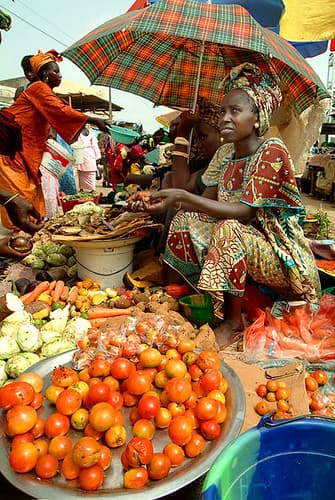
Senegal's markets are chaotic, colorful, and an essential part of the trip. Sandaga and Kermel in Dakar overflow with textiles, spices, jewelry, and handicrafts; Soumbédioune near the coast is the traditional craft market for masks, leather, silver jewelry, and woodwork. In Saint-Louis, the small boutiques near the island sell glass painting (souwere), a distinctly Senegalese art form, and indigo-dyed fabrics. Haggling is expected and part of the fun — start around half the asking price and meet in the middle with a smile.
Good souvenirs include wax-print fabric (sold by the length, perfect for tailoring later), sand paintings depicting village and savanna scenes, Wolof baskets woven from grass and recycled plastic, djembe drums if you have luggage space, and bissap or dried hibiscus to recreate the drink at home. Buy pearls and silver with care and from reputable dealers. Above all, buy directly from artisans when you can — it puts more of your money into the hands that made the work.
Responsible Travel in Senegal
Senegal rewards travelers who engage with respect and curiosity. Dress modestly outside the beach resorts to honor the predominantly Muslim culture; ask before photographing people, and be sensitive around the devout — Fridays and prayer times are observed seriously. During Ramadan, many eateries close by day and reopen at sundown; be discreet about eating and drinking in public. Support community-based tourism where it exists, especially in the delta and Casamance, and choose local guides and family-run guesthouses so your spending stays in the community. Haggle fairly rather than aggressively, tip generously by local standards, and learn a handful of Wolof greetings — the effort opens doors across the country. Travel this way and you experience the real Senegal: a country that meets visitors with extraordinary warmth when visitors meet it with respect.
A Word on Timing the Tides and Seasons
Senegal's coast and deltas are shaped as much by tides and winds as by the calendar, and a little awareness deepens the experience. In the Sine-Saloum delta, pirogue trips are best planned around the high tide, when water floods the mangrove channels and boats can glide deep into the bolongs; at low tide, the channels expose mud and birdlife concentrates — each has its appeal, so ask your guide what the tide will reveal that day. Along the coast, the harmattan, the dry Saharan wind of the dry season, can haze the sky and coat everything in fine dust from December onward, softening the light (a photographer's friend) but occasionally reducing visibility. The rainy season transforms the interior — rivers swell, the Casamance turns impossibly green, and rural roads become genuine adventures. Knowing which Senegal you're chasing — dry-season ease or green-season drama — helps you pick the right months and the right expectations.
Final Thoughts
Senegal rewards travelers who come curious. It will feed you astonishing food, pull you onto dance floors, teach you history that matters, and then drop you into a pirogue in a mangrove maze with nothing but birds for company. The infrastructure is forgiving enough for first-time visitors to West Africa, and the teranga — the hospitality — is genuine. Spend two weeks here and you will leave plotting a return, probably with a list of neighboring countries you now want to see too. Browse Senegal itineraries and operator listings on the tours marketplace and more destination stories in the travel blog.
Frequently Asked Questions
Senegal is one of West Africa's most stable and welcoming countries, and most visits are trouble-free. Dakar requires the usual big-city caution against pickpockets and bag-snatching, especially in crowded markets, but violent crime against tourists is rare. Exercise standard awareness, use reputable taxis after dark, and check current advisories for the southern Casamance region.
The dry season from November to April is the most popular window, with sunny days, low humidity, and cooler nights thanks to the harmattan winds. December to February is peak birdwatching season as migrating species arrive. The rainy season (roughly July to October) turns the countryside green but makes rural roads harder.
Citizens of many countries, including the United States, Canada, the European Union, and most ECOWAS nations, can enter Senegal visa-free for stays up to 90 days. A valid passport with six months' validity is required, and a yellow-fever vaccination certificate is recommended if you are arriving from an endemic country. Always check current rules before travel.
Senegal is known for teranga (its culture of hospitality), mbalax music made famous by Youssou N'Dour, the historic Île de Gorée, the surreal pink Lake Retba, surf breaks on the Almadies coast, the colonial UNESCO town of Saint-Louis, and thieboudienne, the national fish-and-rice dish.
A focused trip of ten days covers Dakar, Île de Gorée, the Pink Lake, Saint-Louis, and the Sine-Saloum delta. Allow two weeks if you also want to reach the greener Casamance region in the south or spend more time in the national parks.
French is the official language used in government, signs, and education, while Wolof is the everyday lingua franca spoken across the country. You will get by with English in Dakar's tourist hubs, but learning a few French and Wolof greetings goes a very long way.
Yes. The Almadies peninsula in Dakar has West Africa's best-known surf breaks, with warm water year-round and spots that suit both beginners and experienced surfers. The surf town of Yoff and the northern coast near Lompoul also have rideable waves, and surf camps and lessons are easy to arrange.
Adventure Knit Editorial
Destination research compiled and fact-checked by the Adventure Knit editorial team from published sources, operator itineraries, and official tourism boards. Spot something out of date? Tell us at hello@adventureknit.com.
Related Stories
 Colombia
Colombia Adventure Guide: Coffee Region, Caribbean & Andes
Complete Colombia travel guide covering Bogotá, Medellín's coffee triangle, Cartagena, Tayrona, the Amazon, and Caño Cristales with itineraries and tips.
 Lebanon
Lebanon Travel Guide: Beirut, Baalbek & the Cedars
Complete Lebanon travel guide covering Beirut, the Roman ruins of Baalbek, the cedars, Jeita Grotto, Byblos and the wine country, with itinerary, food and tips.
 Rwanda
Gorilla Trekking in Rwanda: Volcanoes National Park Guide
Complete guide to gorilla trekking in Rwanda's Volcanoes National Park. Permit reality, best time, fitness prep, a 5-day itinerary, costs and safety for your mountain gorilla trek.
Enjoyed this article?
Explore more stories from our adventures around the world