
Gorilla Trekking in Rwanda: Volcanoes National Park Guide
Categories
Tags
Gorilla trekking in Rwanda happens in Volcanoes National Park in the Virunga Mountains, about two hours from Kigali. Treks are led by park rangers, last from one to several hours, and end with one hour beside a habituated mountain-gorilla family of up to eight visitors. Permits are strictly limited and must be booked well in advance; the driest, easiest conditions are June to September and December to February.
Gorilla Trekking in Rwanda: Volcanoes National Park Guide
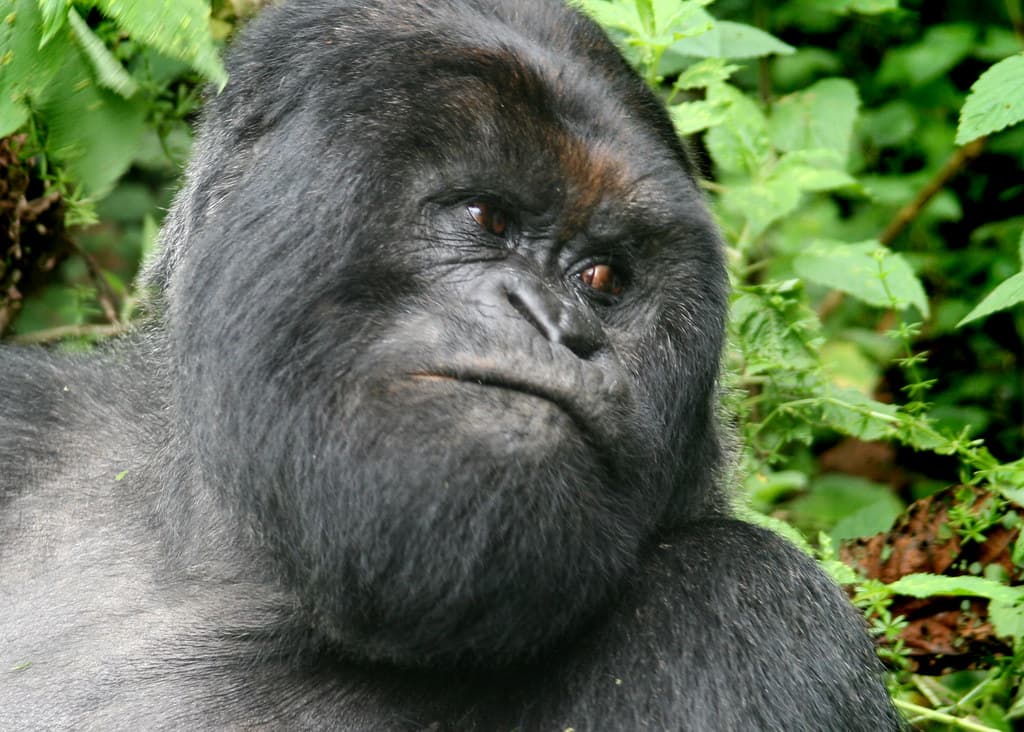
There is a particular kind of silence that falls over a group the moment a ranger raises a hand and points into the bamboo. You have been hiking for hours up a slippery volcanic slope in Rwanda's Volcanoes National Park, and then, suddenly, a dark shape unfolds from the vegetation: a silverback the size of a small fridge, watching you with calm, intelligent eyes. You spend the next hour sitting just meters away as infants tumble over each other and mothers nurse. Gorilla trekking is not a safari drive-by. It is a slow, sweat-soaked pilgrimage to sit with some of our closest wild relatives, and for most travelers it ranks among the most profound wildlife encounters on Earth.
Quick Facts at a Glance
- Location: Volcanoes National Park (Parc National des Volcans), Kinigi, northern Rwanda
- Animals: Mountain gorillas (Gorilla beringei beringei), plus golden monkeys
- Gorilla families: Roughly a dozen habituated families visited by tourists
- Trek duration: Highly variable — 1 to 8 hours round-trip; the visit itself is a strict 1 hour
- Group size: Maximum 8 trekkers per gorilla family per day
- Minimum age: 15 years
- Altitude: Trails sit roughly 2,500–3,500 m (8,200–11,500 ft)
- Distance from Kigali: About 110 km, a 2–2.5 hour drive to Kinigi
- Start time: Briefing at park headquarters around 7:00am
- Permit: Strictly limited, must be booked in advance; current price set by the Rwanda Development Board
- Difficulty: Challenging (steep, muddy, high altitude) but achievable for reasonably fit travelers
- Best months: June–September and December–February (dry seasons)
- Currency: Rwandan franc (RWF); USD widely accepted for tourism services
Why Trek Gorillas in Rwanda?
Mountain gorillas are the great conservation success story of our generation. A few decades ago they seemed headed for extinction; today their numbers are slowly rising thanks to rigorous protection and, crucially, the income from controlled tourism. Rwanda sits at the heart of that story, and Volcanoes National Park offers one of the most accessible and well-run gorilla experiences anywhere.
What Makes It Extraordinary
- Closeness to Kigali: Few great-ape destinations anywhere sit a mere two hours' drive from a modern international airport with comfortable hotels.
- Habituated families: Roughly a dozen families are accustomed to human presence, giving you a calm, up-close hour rather than a fleeting glimpse.
- The Dian Fossey legacy: The park is where Fossey ran Karisoke Research Center from 1967, the work that helped save the species.
- A genuine conservation win: Mountain gorilla numbers have grown from the brink; your permit fee funds anti-poaching, veterinary care, and community programs.
- The one-hour rule: Time with the family is capped and tightly managed, which protects the gorillas from stress and disease and keeps the encounter intimate.
- Easy to combine: Golden monkeys, volcano summits, Lake Kivu, and Akagera's savanna safari are all within easy reach.
Volcanoes National Park: The Setting
Volcanoes National Park protects about 160 sq km of montane forest on the upper slopes of the Virunga range, a chain of volcanic peaks shared between Rwanda, Uganda, and the Democratic Republic of Congo. This small but vital block of forest, together with neighboring Uganda's Mgahinga and the DRC's Virunga National Park, forms the gorillas' core stronghold.
The Virunga volcanoes you'll see rising around you include Karisimbi (the highest, at 4,507 m), Bisoke (3,711 m, with a stunning crater lake), Muhabura, Gahinga, and Sabyinyo. Between them, dense bamboo, hagenia-hypericum forest, and damp, lichen-draped clearings create the gorillas' ideal habitat.
Because trails begin above 2,500 m, you should factor in mild altitude — most people acclimatize within a day or two, but the thin air makes the climbing feel harder than at sea level. Plan to arrive a day early, hydrate, and pace yourself.
How Gorilla Trekking Works
The Permit System
This is the single most important thing to understand: you cannot just turn up and trek. A limited number of permits are issued each day, one per gorilla family times roughly a dozen families, and they routinely sell out months in advance for peak season. Permits are administered by the Rwanda Development Board (RDB) and are best secured through a licensed local operator or your lodge, which will handle the booking logistics. The permit price is set by RDB and has risen over the years; always confirm the current rate when you plan. What you pay is not just an entry fee — it directly funds park protection, ranger salaries, and the community revenue-share program that gives local people a stake in keeping the forest intact.
The Morning at Kinigi
Trekking days start early. You drive to park headquarters in the village of Kinigi before 7:00am, where trekkers gather over coffee and the rangers assign everyone to a gorilla family. Assignment is based partly on fitness and preference — speak up if you want an easier or more challenging trek, or if you have a particular family in mind. There's a thorough briefing on rules and safety, you meet your lead guide and the armed rangers who accompany every group, and then you drive to the trailhead (anywhere from a few minutes to nearly an hour away on rough tracks).
The Trek Itself
From the trailhead you hike into the forest, often through adjacent farmland first, then across a stone wall into the park. Rangers stay in radio contact with trackers who left at dawn to locate each family. Depending on where the gorillas have moved, you could reach them in well under an hour or grind uphill for several. When you get close, you drop your bags, leave porters behind, and make a final push through the undergrowth to the family.
Then you have one strict hour with them. You sit and watch. The silverback may feed, rest, or occasionally display; infants clamber over everything; the experience is astonishingly peaceful. Guides keep you at roughly seven meters, track time carefully, and call the hour to a close.
Porters and Tipping
Porters (usually young men from surrounding communities) are available at the trailhead to carry your daypack and lend a hand on the steepest, muddiest sections. Hiring one is strongly encouraged — it costs a modest set fee, eases your trek considerably, and puts tourism income directly into local households. Tipping guides, trackers, and porters is customary; bring small USD notes and ask your lodge for current suggested ranges.
Gorilla Families and Trek Difficulty
Not all treks are equal. Some families range close to the park boundary and over gentler terrain, making for a shorter, easier walk; others move high up the volcanoes and require a long, strenuous climb. Widely known families include long-established groups like Susa (Fossey's original study group, often high and challenging), Sabyinyo (typically an easier, lower-altitude option), and Amahoro (the name means "peace"), among others. Names and compositions change as families split, merge, or are newly habituated, so treat group names as a guide rather than a fixed menu.
When you check in, rangers will match your stated fitness to a suitable family. Be honest about your ability — there is no prize for choosing the hardest trek, and the gorilla encounter itself is the same unforgettable hour whichever family you visit.
Fitness, Altitude, and Preparation
You don't need to be an elite athlete, but you should be genuinely hill-fit. Expect steep slopes, deep mud, slippery roots, and dense vegetation including vicious stinging nettles. Here is how to prepare:
- Cardio: Build stamina with regular walks, hikes, or stair-climbing in the month or two before.
- Boots: Wear waterproof hiking boots with good ankle support, broken in well in advance.
- Gaiters and gloves: Gaiters keep mud out of your boots; cheap gardening gloves protect your hands from nettles when you grab vegetation for balance.
- Layers: Mornings are cold and damp at altitude; you'll heat up fast while climbing and cool down when you stop with the gorillas.
- Rain gear: Always carry a waterproof jacket — Virunga weather can change in minutes, even in dry season.
- Hydration and snacks: Carry 2–3 liters of water and high-energy snacks; you may be out for many hours.
- Poles: Walking sticks (often provided at the trailhead) are a huge help on descents.
Suggested 5-Day Rwanda Gorilla Itinerary
Rwanda rewards a compact, well-paced trip. Here is a realistic plan that blends the gorilla trek with the country's other highlights.
Day 1 — Arrive Kigali
Land at Kigali International Airport and transfer to your hotel. If you arrive early, spend the afternoon at the Kigali Genocide Memorial — a sobering, beautifully run site essential to understanding modern Rwanda. Stroll the clean, safe streets, sample local brochettes, and rest. You'll want to be fresh.
Day 2 — Kigali to Musanze (Volcanoes National Park)
After breakfast, drive north to Musanze (formerly Ruhengeri), the gateway town to Volcanoes National Park — about two to two and a half hours on good roads through terraced hills. Check into your lodge, enjoy the dramatic volcano views, and take an easy acclimatization walk in the afternoon. Early dinner and an early night; tomorrow is a big day.
Day 3 — Gorilla Trek
Early start: drive to Kinigi headquarters for the 7:00am briefing and family assignment, then head to your trailhead for the trek. After your hour with the gorillas, return to the park office, celebrate with your guide, and head back to your lodge for a well-earned late lunch. Spend the afternoon resting sore legs.
Day 4 — Golden Monkeys, a Volcano, or Culture
Add a second activity. Options include a golden-monkey trek (shorter, lively, and colorful), a day hike up Mount Bisoke to its crater lake, a visit to the Dian Fossey Fund exhibits or the old Karisoke site, or the Iby'iwacu cultural village for traditional dance and community life. Adventurous travelers can book a second gorilla permit for a different family.
Day 5 — Lake Kivu and Return
Drive west through beautiful hill country to Lake Kivu at Gisenyi (Rubavu) for a morning on the water, a boat ride to an island or coffee farm, and lunch by the shore. In the afternoon, either loop back to Kigali for your flight or overnight in Kigali, depending on your schedule.
Best Time to Go
Peak Dry Season (June–September) — Best Overall
This is the easiest and most popular time. Trails are firmer, rain less frequent, and views of the volcanoes are clearer. It is also the busiest period, so permits sell out furthest in advance — book early.
Short Dry Season (December–February) — Also Excellent
A second, slightly shorter dry window with similarly good conditions. A great choice if you want to combine Rwanda with a Christmas or New Year trip.
Shoulder / Wet Seasons (March–May, October–November)
Rain is heavier and trails turn to deep mud, making trekking more physically demanding. The upside: fewer visitors, easier last-minute permits, and the forest at its most lush and dramatic. Go well prepared with full rain gear.
Getting There and Around
Fly into Kigali International Airport (KGL), with good connections across Africa, Europe, and the Middle East. From Kigali it's a straightforward 2–2.5 hour drive north to Musanze and Kinigi. Most visitors arrange a 4x4 with a driver-guide through their tour operator or lodge — this is strongly recommended over self-driving, as the final tracks to trailheads can be rough and the driver handles permits and timing. Public transport exists but is impractical for trekking logistics.
Where to Stay
Lodging near Volcanoes National Park ranges from community guesthouses in Musanze to luxury eco-lodges with volcano views. A few notes by budget:
- Budget: Musanze town has simple guesthouses and hostels; a good base if you're not chasing views.
- Mid-range: Comfortable lodges and bungalows scattered between Musanze and the park gate, often with gardens and good food.
- Luxury: High-end eco-lodges overlooking the volcanoes, with full service, fine dining, and sometimes private trekking arrangements.
Book well ahead in peak season — the best properties fill months out.
Costs and Budgeting
The permit is the dominant cost of a Rwanda gorilla trip, and its price is set and periodically revised by the Rwanda Development Board, so confirm the current figure when planning. Beyond the permit, budget for:
- Transport: A 4x4 with driver-guide for several days.
- Lodging: Ranges from modest guesthouses to premium lodges; book to your budget.
- Porter: A modest fixed fee per trek, well worth it.
- Tips: Customary for guides, trackers, and porters; ask your lodge for current suggested ranges.
- Extra activities: Golden-monkey treks and volcano hikes carry their own, lower permit fees.
Rwanda is not a budget destination, and gorilla trekking is inherently premium — but the experience, and the conservation it funds, is unmatched.
Safety and Practical Tips
- Keep your distance: Stay at least seven meters from the gorillas, even if they approach you. Don't touch them.
- Stay healthy: Gorillas share roughly 98% of our DNA and catch our diseases. If you're sick — even a cold — do not trek. Cover coughs and sneezes away from the animals.
- Follow the rangers: Their instructions are non-negotiable and keep everyone (gorillas included) safe.
- No flash photography: It can startle the gorillas. Turn it off before you start.
- Low voices: Speak quietly so you don't disturb the families.
- General safety: Rwanda is one of Africa's safest and cleanest countries; normal big-city caution in Kigali is sufficient.
- Health precautions: Talk to a travel clinic about recommended vaccinations and antimalarials; carry a yellow-fever certificate if arriving from an endemic country.
Photography Tips for the Trek
Gorilla photography is challenging and rewarding in equal measure. The light under the canopy is often low, the subjects are dark-furred and moving, and you are usually shooting through leaves and rain. A few principles make a real difference.
- Lens choice: A fast zoom in the 70–200mm range is ideal — long enough to frame tightly at a respectful distance, fast enough (f/2.8 or wider) for the dim forest. Bring a weather-sealed lens and a UV or clear protective filter.
- Camera settings: Shoot in the highest ISO you can tolerate (often 1600–6400), use a wide aperture, and keep shutter speed above 1/500s to freeze movement. Burst mode helps capture fleeting expressions.
- No flash, ever: Flash is strictly prohibited — it distresses the gorillas and will see your camera confiscated. Disable it before the trek begins.
- Weather protection: A simple rain sleeve or even a plastic bag and rubber bands can save your gear in a downpour. Carry a microfiber cloth for condensation.
- Respect the hour: Resist the urge to live behind the viewfinder. The strongest images come from watching behavior, not from spraying frames. Put the camera down for at least part of the hour and simply be present.
- Phones: Modern smartphones can capture excellent gorilla images; burst mode and tapping to expose for the dark fur are the key tricks. Disable the flash and the audible shutter sound.
Combining Rwanda with the Rest of East Africa
Rwanda pairs beautifully with neighboring countries for a fuller East African circuit. The most popular combination adds a classic savanna safari — Rwanda's own Akagera National Park in the east has been beautifully restored and now hosts lions, rhinos, elephants, and giraffes alongside lakes and savanna, an easy two-and-a-half-hour drive from Kigali. Alternatively, fly across to Kenya's Maasai Mara or Tanzania's Serengeti and Ngorongoro for the great-migration experience, or cross to Uganda for Bwindi's gorillas and chimpanzee trekking in Kibale.
For a Rwanda-only loop, consider tagging on Nyungwe Forest National Park in the southwest — one of Africa's oldest and best-preserved montane rainforests, famous for its canopy walkway and large chimpanzee and colobus-monkey troops — and finishing with beach time on Lake Kivu. A classic two-week Rwanda trip can move from gorillas to chimps to savanna to lakeside relaxation without ever leaving the country.
Accessibility and Pace Options
Gorilla trekking is inherently physical, but Rwanda has widened access in several ways. A limited number of gorilla families tend to range closer to the boundary and over gentler ground, and rangers do their best to match less-mobile travelers to these groups — be candid at the briefing about your fitness and any limitations. Porters are invaluable for carrying gear and lending an arm on steep sections, and many are strong enough to assist travelers with mild mobility constraints.
For travelers for whom a forest trek is genuinely impossible, Rwanda offers powerful alternatives: the golden-monkey trek is shorter and less steep; the Dian Fossey Fund's Ellen DeGeneres Campus near Kinigi is a world-class, fully accessible interpretive center that brings gorilla conservation to life without entering the park; and cultural visits to local communities around Kinigi offer meaningful engagement. Private vehicles, comfortable lodges, and helicopter transfers are all available to smooth logistics for travelers who prefer a gentler pace.
What to Expect During Your Hour with the Gorillas
The hour with a gorilla family passes both slowly and in a flash. Here is roughly what to expect, so you can settle into the experience rather than wonder what comes next.
You will likely find the family spread across a small area of forest, often the silverback resting while females and youngsters feed, play, and nurse nearby. The guide will position you at a respectful distance and speak quietly to the trackers. From there, the gorillas largely ignore you — habituation means they treat you as a neutral part of the landscape, which is the whole point. You may watch a mother nurse an infant, a juvenile wrestle a sibling, or a sub-adult clamber through the canopy. The silverback may feed steadily, occasionally rolling onto his back with a satisfied grunt, or rise to move the family on.
Sometimes curiosity wins out. A youngster may approach you, followed closely by a watchful mother who will retrieve it. Keep low, avoid sudden movement, and never make prolonged eye contact with a silverback, which can read as a challenge. If a gorilla moves toward you, the guide may quietly instruct you to crouch or step back; follow instantly. The seven-meter rule is a minimum, not a target — you are a guest in their space.
Listen for the gorillas' own communication: the soft grunts of contented feeding, the deeper rumble of a silverback, the alarmed bark that signals displeasure. The guides read these sounds expertly and will translate what they mean. Your hour is tracked precisely from the moment you reach the family, and when it ends the guide will signal time to withdraw quietly. Almost every trekker emerges speechless for a moment before the chatter and the grins break out.
Fitness Preparation Checklist
Because gorilla trekking is a real mountain hike at altitude, a little preparation transforms the experience from a slog into a joy. In the four to six weeks before your trip:
- Build aerobic base: Three to four sessions a week of brisk walking, hiking, cycling, or stair-climbing, including hills or inclines. Aim for sessions of 45–90 minutes to mimic the sustained effort of a long trek.
- Strengthen legs and core: Squats, lunges, and step-ups prepare you for the steep ascents and descents on slippery ground. Strong ankles help on uneven terrain.
- Practice with a loaded pack: Carry the daypack and water you'll take trekking on your training hikes, so nothing feels new on the day.
- Break in your boots: Wear them on every training hike. Blisters on a gorilla trek are miserable and avoidable.
- Hydrate and acclimatize: Arrive in Rwanda a day or two early, drink plenty of water, and avoid alcohol the night before the trek. Mild altitude affects everyone differently.
- Be honest with rangers: At the morning briefing, tell your guide your real fitness level so they assign you a suitable family. There is no shame in an easier trek, and it makes the day far more enjoyable.
A Note on Responsible Gorilla Tourism
Every traveler who treks contributes directly to the survival of the mountain gorilla, and a few choices magnify that impact. Book through reputable operators that adhere strictly to park rules, and never accept offers to get closer than the seven-meter limit or to extend the one-hour visit — both harm the animals you came to see. Carry out everything you carry in, stay on established routes, and never feed any wildlife. Choose lodges and operators that employ local staff and support community projects, since the revenue-share program that returns a portion of permit income to communities living around the park is a large part of why locals tolerate and protect the forest. Trek only when you are well, since respiratory illness is the single greatest disease threat to great apes, and follow every health guideline from your guides. Travel this way and your visit becomes part of one of conservation's great success stories.
Final Thoughts
A gorilla trek in Rwanda is one of those rare experiences that genuinely lives up to the hype. The hike is hard, the permit is expensive, and the logistics take planning — and then you are sitting in dripping forest while a silverback watches over his family a few meters away, and none of that matters. You will remember the hour for the rest of your life.
What makes it more than a personal thrill is knowing your visit is part of why mountain gorillas still exist. The permit fee, the rangers, the porters, the community revenue share — it all adds up to one of the most effective conservation models on the planet. Trek responsibly, book through reputable operators listed on the tours marketplace, tread softly, and you'll come home with a story worth telling for decades.
Frequently Asked Questions
Rwanda's mountain-gorilla trekking permit is set by the Rwanda Development Board and is one of the trip's biggest single costs. The figure has changed over the years (it rose notably in recent times), so always confirm the current rate when you book. Permits are strictly limited and should be reserved months ahead, especially for peak dry-season dates.
It is a genuine mountain hike through steep, muddy, high-altitude forest. You may walk anywhere from under an hour to several hours each way before reaching the family. You need decent fitness and sturdy, broken-in boots, but you do not need to be an elite athlete. Porters are available to carry your bag and help you on slippery sections.
The two dry seasons, June to September and December to February, offer the easiest footing, less rain, and clearer views. The shoulder months (March to May and October to November) are wetter and muddier but still perfectly trekable, with fewer visitors and lusher forest.
No. The minimum age is 15 years, strictly enforced to protect both gorillas and children (illness risk and the difficulty of staying calm near a wild silverback). Families with younger children can choose golden-monkey treks, nature walks, or cultural visits instead.
Rangers aim to keep visitors about seven meters (23 feet) away, but gorillas are curious and sometimes approach people. You must stay still, keep low voices, and never touch them. You spend a strict maximum of one hour with the family.
Plan on a full day from your hotel: a 7am briefing at Kinigi headquarters, then anything from one to eight hours of hiking round-trip depending on where the family has moved that day. Most treks fall somewhere in the middle.
Both are excellent and protect the same Virunga population. Rwanda is more compact, with an easy drive from Kigali and well-organized logistics, while Uganda's Bwindi often offers slightly lower permit costs and a more rugged, remote feel. Rwanda suits travelers short on time; Uganda suits longer East-African circuits.
Wear long trousers, a long-sleeved shirt, sturdy waterproof hiking boots, and bring gaiters and gardening gloves for the stinging nettles. Add a waterproof rain jacket (it can pour even in dry season), warm layers for the cool mornings, two to three liters of water, snacks, and a small daypack.
Adventure Knit Editorial
Destination research compiled and fact-checked by the Adventure Knit editorial team from published sources, operator itineraries, and official tourism boards. Spot something out of date? Tell us at hello@adventureknit.com.
Related Stories
 Senegal
Senegal Travel Guide: Dakar, Gorée & the Pink Lake
Complete Senegal travel guide covering Dakar, Île de Gorée, the Pink Lake (Lake Retba), Saint-Louis, the Sine-Saloum delta and Casamance, with itinerary, food and tips.
 Tonga
TongaSwimming with Humpback Whales in Tonga: Complete Guide
Complete guide to swimming with humpback whales in the Kingdom of Tonga. Where to go, how permits and operators work, best months, costs, ethics and safety.
 Colombia
Ciudad Perdida (Lost City) Trek: Complete 4-Day Guide
Everything you need to know about the Ciudad Perdida trek in Colombia's Sierra Nevada de Santa Marta — itinerary, difficulty, packing, costs, and indigenous context.
Enjoyed this article?
Explore more stories from our adventures around the world