
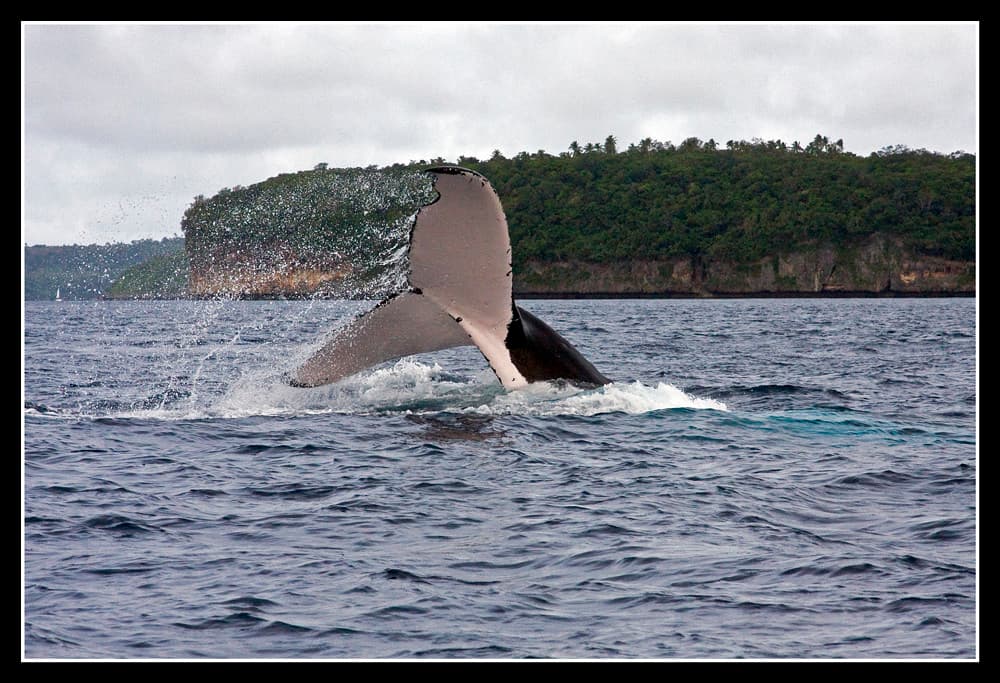
Swimming with Humpback Whales in Tonga: Complete Guide
Categories
Tags
Tonga is one of only a few countries where you can legally swim with humpback whales, with the Vava'u island group the main base. Adults migrate from Antarctica to mate and calve in Tonga's warm waters between July and October. Swims are run strictly by licensed operators, last only minutes at a time, and depend on the whales' behavior. Strong snorkeling ability is essential.
Swimming with Humpback Whales in Tonga: Complete Guide
There are a handful of wildlife encounters that genuinely stop your mind from working, and floating in the open Pacific while a 40-tonne humpback whale glides past a few meters away is one of them. The Kingdom of Tonga is one of the very few places on Earth where this is legal and regulated, and every southern winter its warm waters fill with whales that have traveled up from Antarctica to mate, calve, and sing. It is not a zoo, and there are no guarantees — the whales decide everything — but a calm encounter, with a mother resting below and her calf curious at the surface, is the kind of experience that reorders your sense of scale.
Quick Facts at a Glance
- Location: Kingdom of Tonga, mainly the Vava'u island group (Neiafu is the base)
- Animal: Southern hemisphere humpback whales (Megaptera novaeangliae)
- Season: Roughly July to October, regulated; peak August–September
- Activity: Snorkel/free-dive only — scuba is prohibited
- Regulation: Strictly licensed operators with rules on approach, group size, and time in the water
- Skill required: Confident open-water snorkeling; no diving certification needed
- Encounter length: Short — often a few minutes per drop, repeated through the day
- Group size: Small (commonly four to eight swimmers plus guides)
- No guarantees: Encounters depend entirely on whale behavior
- Best for: Wildlife lovers, confident snorkelers, photographers
- Currency: Tongan paʻanga (TOP); TOP and sometimes USD accepted
- Getting there: Fly to Tongatapu (TBU), then domestic flight to Vava'u (VAV)
Why Swim with Whales in Tonga?
Tonga is one of a tiny number of countries — including a few others in the South Pacific and the Caribbean — where in-water encounters with humpback whales are legal. What sets Tonga apart is the combination of reliable whale numbers, sheltered water (especially in Vava'u), a long-established licensed-operator system, and a deep Polynesian cultural relationship with the ocean.
What Makes It Extraordinary
- One of the few legal places: A rare, regulated opportunity to enter the water with great whales.
- A real migration: The whales travel roughly 6,000 km from Antarctica to Tonga's warm waters each year.
- Singers, mothers, and heat runs: You may hear a male singing, watch a mother rest with her calf, or witness a competitive "heat run."
- Regulated for welfare: Licensed operators and strict rules put the whales' wellbeing first.
- Stunning setting: Vava'u's sheltered islands, reefs, and caves are worth the trip alone.
- Cultural depth: Tonga is the only Pacific nation never colonized, and whale encounters are part of a living seafaring culture.
The Whales and the Migration
Every southern autumn, humpback whales leave their rich Antarctic feeding grounds and swim north to the tropical Pacific to breed and calve. Tonga is one of their key destinations, particularly the sheltered waters of the Vava'u and Ha'apai groups, where warm, shallow seas suit newborn calves. They fast through the breeding season, living off blubber reserves, and return south as the austral summer returns.
Encounters can take many forms. A singing male hanging head-down in the water column, his song vibrating through your chest. A mother and calf resting quietly at the surface, the calf occasionally curious enough to approach. A "heat run" — several males chasing a female in a fast, competitive group, spectacular but demanding to keep up with. Guides read the behavior and decide when, and whether, a drop is appropriate.
How Whale-Swimming Works in Tonga
Licensed Operators and Regulations
Whale-swim tourism is regulated by the Tongan government. Operators must be licensed, and a strict set of rules governs every encounter:
- Only a set number of licensed boats operate in each group.
- Group size in the water is small (commonly four to eight swimmers plus a guide).
- Approach distance and time with the whales are limited.
- Some whales (such as competitive heat-run males or visibly distressed animals) are not approached.
- Only snorkeling and free-diving are permitted; scuba is banned.
- Swimmers must follow the guide's instructions exactly.
These rules exist for the whales' welfare. Choose an operator with a strong reputation for following them, even when it means a shorter or skipped swim.
A Typical Day
You meet your boat and guide early in Neiafu harbor, kit up, and head out through Vava'u's sheltered islands. Skilled whale-watchers scan for blows and surface activity; once whales are located and assessed, the guide decides whether a swim is appropriate. When it is, a small group enters the water quietly with the guide, free-diving gently to view the whale. Encounters are short — a few minutes — and may be repeated several times through the day with different whales. Lunch is on a beach or a reef, and you're back in Neiafu by late afternoon.
The Best Base: Vava'u
The Vava'u group, in the north of Tonga, is the main whale-swim hub. Its many islands and reefs create sheltered water that suits both whales and swimmers, and the town of Neiafu has the country's highest concentration of licensed operators, accommodation, and cafes. Beyond whales, Vava'u offers sailing, the Mariner's Cave and Swallows' Cave, sea kayaking, and reef snorkeling. Most first-time visitors base themselves here.
The Ha'apai group to the south is quieter, less developed, and less crowded, but its waters are more exposed. 'Eua, near the capital Tongatapu, offers a smaller-scale whale experience and is a convenient add-on. Each island group has its own character — Vava'u is the reliable all-rounder.
Fitness, Skill, and Preparation
You do not need to be a free-dive champion, but you must be a confident open-water snorkeler:
- Snorkel and clear your mask without stress.
- Free-dive a few meters gently to view whales below the surface.
- Swim steadily against mild currents while wearing fins.
- Stay calm near very large animals, following the guide at all times.
If you are not a strong swimmer, surface whale-watching from the boat is still outstanding — breaches, tail-slaps, and pectoral waves are often best seen from above. Build your fitness and snorkeling confidence before you travel, and be honest with your operator about your ability.
Suggested 5–7 Day Tonga Whale-Swim Itinerary
Most travelers book several days on the water to maximize chances, since whale behavior varies day to day.
Days 1–2 — Travel and Neiafu
Fly via Tongatapu to Vava'u; settle into Neiafu, meet your operator, and do a reef snorkel to tune your gear.
Days 3–6 — Four Whale-Swim Days
Four full days on the water, with rest afternoons and a lay day in case of weather. Each day offers multiple drops if whales are present and settled.
Day 7 — Vava'u Sights and Departure
Add a half-day to Swallows' Cave, a beach, or sea kayaking before flying back via Tongatapu.
Travelers with more time can add a few days on Ha'apai or a cultural day on Tongatapu (the royal capital, royal tombs, and the Mapu'a 'a Vaca blowholes).
Best Time to Go
Whale Season (July–October)
Whales are present from roughly July, with numbers peaking in August and September. This is also Tonga's cooler, drier winter, with the most settled weather. October can be excellent but is the tail of the season, with fewer whales and the start of warmer, wetter weather.
Off-Season (November–June)
No licensed whale-swim operations; the whales have returned south. This is Tonga's hot, humid summer, fine for general travel and reef snorkeling but not for whales.
Getting There and Around
Fly into Fua'amotu / Salote Pilolevu Airport (TBU) on Tongatapu, with flights from Auckland, Sydney, Nadi (Fiji), and Honolulu. From there:
- Domestic flights: Real Tonga / Lulutai Airlines connect Tongatapu with Vava'u (about 50 min) and Ha'apai; book ahead in whale season.
- Ferries: Slower, cheaper, and less reliable than flights, but available between island groups.
- Taxis and rental cars: Useful on Tongatapu and in Neiafu; they drive on the left.
Where to Stay
- Budget: Guesthouses and backpacker lodges in Neiafu, often with shared kitchens.
- Mid-range: Comfortable small hotels and resorts in and around Vava'u.
- Boutique resorts: A handful of design-led resorts on Vava'u's outer islands.
- Liveaboards: Some operators run multi-day whale-swim liveaboards, an immersive option for serious enthusiasts.
Costs and Budgeting
A whale-swim day in Tonga is a significant per-day activity cost, reflecting the licensed operator, boat, fuel, and guide team. Most travelers book three to five days on the water to give themselves the best chance, since no single day is guaranteed. Add international flights to Tonga (which can be pricey), domestic flights or ferries to Vava'u, and accommodation, and this becomes a moderate-to-high-cost trip. Budget travelers can reduce costs with guesthouses and self-catering, but the whale-swim days themselves are the unavoidable core expense. Prices here are intentionally qualitative, as they vary with the season and operator.
Safety and Practical Tips
- Choose a licensed, reputable operator that prioritizes whale welfare and follows the rules.
- Be honest about your swimming ability; surface watching is always an option.
- Listen to your guide at all times in the water — they read the whales and keep everyone safe.
- Motion sickness: Boats can roll; take medication if you're prone to it.
- Sun and exposure: A wetsuit or long rash vest protects against sun and keeps you warm on long days.
- Never touch or chase whales; let them set the pace and distance.
- Reef-safe sunscreen only; the same reefs you'll snorkel depend on it.
- Cultural respect: Tonga is conservative and deeply religious; dress modestly in town and on Sundays, when most activity (including some boat trips) pauses for church.
Reading the Whales: Behaviors You Might See
Every day on the water is different, and part of the magic is learning to read the behavior unfolding in front of you. A singing male hangs vertically in the water column, head down with his tail at the surface, and his song — a complex, evolving series of moans, clicks, and squeaks — vibrates through your chest from many meters away. Scientists still don't fully understand why humpbacks sing, but hearing one underwater is unforgettable. A resting mother and calf offers the most rewarding encounter for swimmers: the mother hovers just below the surface while the calf surfaces every few minutes to breathe, and a calm, respectful group can observe them for precious minutes without disturbing the rhythm.
A heat run — several males chasing a single female in a fast, competitive group — is spectacular but physically demanding; the boat scrambles to keep up, and swimmers may only glimpse the action before the group races on. Breaching, when a whale launches its full body out of the water and crashes back, is most often seen from the boat rather than in-water; likewise tail-slapping (lob-tailing) and pectoral-slapping, when the long white fins are repeatedly smacked on the surface, often a signal to others or a calf calling its mother. Spy-hopping — when a whale pokes its head vertically out of the water to look around — can feel as though the whale is studying you as much as you are studying it. Your guide will narrate all of this, decide when (or whether) a drop is appropriate, and call the swim off entirely if the whales are clearly traveling, feeding, or stressed. Understanding that every encounter is a gift from the whales, not a transaction, is the key to a great trip.
Ethics and Choosing the Right Operator
Tonga's regulated system is genuinely well-intentioned, but operators vary in how strictly they follow it, and your choices matter. A responsible operator will: limit the number of swimmers in the water at once (commonly four to eight plus a guide), approach whales calmly and parallel rather than head-on, give up on an encounter if the whales are clearly not receptive, never separate a mother from her calf, never surround or trap a whale, and keep total time with any one group short. They will brief you thoroughly on behavior and rules before you enter the water and pull you out the moment the whales indicate they have had enough. Avoid any operator that promises a swim with every whale, pressures guides to deliver close encounters at the expense of welfare, or treats the experience as a checklist.
Ask direct questions when booking: How many swimmers per drop? How long do you typically stay with one group? What happens if the whales don't want company? Do you carry a dedicated spotter plane (some do, which improves sightings but adds cost)? How many years have you operated, and what is your approach to weather cancellations? Reputable operators will answer these questions openly and happily. Pay a little more for a better operator if you can — the whales, and your experience, are worth it. Responsible encounters are not only more ethical; they are also more magical, because calm, undisturbed whales behave naturally and linger longer.
Photography and Filming
Underwater photography around humpbacks is challenging and exhilarating, and a few principles make it rewarding rather than stressful. Water clarity in Vava'u can vary; on a good day it is a vivid blue with long visibility, on others there is particulate in the water. Light drops off quickly with depth, so shoot with the sun behind you when possible and keep the whales between you and the surface light. A wide-angle lens (or the widest setting on a compact or action camera) is ideal, since you want to capture the scale of the animals in their environment; avoid chasing tight close-ups, which tend to produce blurry shots and disturb the whales.
A neutral-density filter or polarizing filter can help with the bright surface light, and a wrist strap is essential to prevent losing a camera overboard — never use a neck strap in open water. Action cameras (GoPros and similar) work well in the wide, blue conditions; set them to a high frame rate and a wide field of view, and bring plenty of batteries and a large memory card. Behavior over framing: the most striking images capture natural behavior — a calf breaching, a mother's tail rising, a singer suspended — so watch the whales, anticipate, and shoot in bursts. Above all, put the camera down for part of every encounter; the strongest memory will not be the photograph but the sensation of being in the water with a creature vastly larger than yourself.
Beyond the Whales: Vava'u's Other Treasures
Vava'u is much more than a whale base, and rest days or non-diving companions have plenty to enjoy. The sheltered islands and reefs are perfect for sailing, and the harbor of Neiafu is a famous stop for cruising yachts crossing the Pacific, giving the town a cosmopolitan sailing culture. Sea kayaking between the islands, with stops at empty beaches and caves, is a magical way to explore. The famous Swallows' Cave, a sea cave alive with nesting birds and clear, swimmable water, and the Mariner's Cave, a submerged entrance you dive through to a hidden chamber, are signature stops on boat trips. Reef snorkeling around the islands reveals a different, gentler underwater world than the open-ocean whale swims.
On land, Neiafu has cafes, bakeries, and small restaurants serving Tongan food and fresh fish, plus a viewpoint (the Mt. Talau national park reserve offers a short hike) over the harbor. Beach days on uninhabited islands, with a packed lunch and a mask, are the classic Vava'u rest day. For the culturally curious, Tongan village life is rich and accessible — Sunday church services with soaring harmonies, kava circles, and the chance to learn about Tonga's status as the only Pacific nation never colonized. A good trip balances whale days with these gentler experiences, and most travelers come away loving Vava'u itself as much as the whales.
Tongan Culture, Sundays, and Respect
Tonga is proudly and distinctly itself — a constitutional monarchy, deeply Christian, and the only Pacific Island nation that was never formally colonized. Travelers who engage with the culture find a warm, dignified, and generous people, but the rhythm of Tongan life differs from a typical beach holiday and deserves respect. Sundays are sacred: most businesses close, sport and work pause, and Tongans attend church in their finest clothes, their singing famously powerful. Visitors are welcome at services (dress modestly) and often describe the harmony of a Tongan congregation as a highlight of the trip; but you should plan around Sunday, stocking up on food and not scheduling boat trips (some operators do run on Sundays, but it's worth checking the cultural norm).
Kava, the mildly sedative drink shared from a communal bowl, is central to Tongan social and ceremonial life; if invited to a faikava (kava circle), sit respectfully and accept the cup with both hands. Dress modestly outside the beach — cover shoulders and knees in towns and villages, and avoid public displays of affection. Always ask before photographing people or entering villages, and bring a small gift or simply genuine courtesy when visiting. Tonga's royal family and the church are treated with real reverence; avoid jokes or criticism of either. Traveling with this awareness opens doors: Tongans meet respectful visitors with extraordinary hospitality, and the cultural dimension is what turns a whale-swim trip into a genuine encounter with a living Polynesian kingdom.
Fitness, Gear, and a Prep Checklist
Even confident snorkelers benefit from a little preparation, because whale-swimming is more demanding than reef snorkeling. You'll spend hours on a rolling boat, drop into open water quickly and quietly, hold your breath to free-dive gently, and swim against mild currents while staying calm near enormous animals. In the weeks before your trip, build aerobic fitness with swimming, cycling, or running; practice free-diving down three to five meters comfortably; and strengthen your core and shoulders for the fin work. If you can, do a few open-water snorkel sessions in your full kit (mask, snorkel, fins, wetsuit) so nothing feels new on the day.
Gear makes a real difference. A well-fitting mask that doesn't leak is the single most important item; a low-volume mask makes clearing and equalizing easier when you free-dive. Full-foot fins give the most efficient propulsion, but open-heel fins with booties are fine if you prefer them. A 3mm or 5mm wetsuit keeps you warm on long days (Vava'u water is warm but you lose heat fast when still) and adds buoyancy; if you don't own one, most operators rent them. Bring reef-safe sunscreen, a wide-brim hat, polarized sunglasses, a dry bag, a towel, and motion-sickness medication if you're prone to it. Hydration matters more than you'd expect — carry plenty of water and sip constantly. An underwater camera with a wrist strap is highly recommended; a basic action camera on a float handle is plenty for most people. A small dry change of clothes for the ride home completes the kit.
Combining Tonga with the Wider South Pacific
For travelers making the journey to Tonga, it often makes sense to combine it with other South Pacific destinations, since the region's flights cluster through a handful of hubs. Fiji is the most common gateway, with direct flights from Nadi to Tongatapu, and is worth a few days of reef, island-hopping, and resort relaxation before or after the more rugged Tonga leg. Samoa (independent, not American Samoa) is another accessible pairing, offering dramatic volcanic scenery, traditional fa'a Samoa village life, and a slower, less-developed feel; flights connect through Apia to Tonga. New Zealand is a frequent stop for travelers building Tonga into a bigger trip, with direct flights from Auckland to Tongatapu.
Within Tonga itself, travelers with time can add the flat coral Ha'apai group — quieter, cheaper, and less crowded than Vava'u, with wonderful whales and wild white-sand beaches — or the southern island of 'Eua, near Tongatapu, which offers a smaller-scale whale experience plus spectacular sea cliffs, the 'Eua National Park forest, and one of the region's most accessible cave systems. A two-week Tonga trip can move from the royal capital of Nuku'alofa and the Mapu'a 'a Vaca blowholes on Tongatapu, up to the whales of Vava'u, and back through Ha'apai for a final stretch of empty sand. Whatever combination you choose, build in buffer days for weather and inter-island flights, and accept that the South Pacific rewards travelers who arrive with time to spare.
Final Thoughts
Swimming with humpback whales in Tonga is the kind of experience that genuinely changes how you think about the natural world. The whales are vast, ancient, and entirely in charge — the encounter happens on their terms, or not at all, and that is exactly what makes it meaningful. Go with realistic expectations (no day is guaranteed), choose a responsible licensed operator, and treat the whales with the respect they deserve. Do that, and a calm morning in Vava'u's blue water, with a mother and calf gliding beneath you, will stay with you for the rest of your life. Find Tonga whale-swim operators on the tours marketplace and more wildlife stories on the travel blog.
Frequently Asked Questions
Humpback whales are present in Tongan waters from roughly July to October, having migrated from their Antarctic feeding grounds to mate and calve. The peak for in-water encounters is usually August and September, when the most whales are present and the weather is most settled. The official season is regulated and operators are licensed only for these months.
The Vava'u island group in the north is the main base, thanks to its sheltered waters, reliable whale numbers, and concentration of licensed operators. The Ha'apai group is quieter and less crowded but more exposed, while 'Eua in the south is a smaller-scale alternative. Most travelers base themselves in Neiafu, Vava'u.
It can be, when done under Tonga's regulated system. Operators are licensed, group sizes are limited, and strict rules govern approach distance, time in the water, and which whales (such as resting 'heat-run' males versus resting mothers and calves) can be approached. Choose a licensed, reputable operator that prioritizes the whales' welfare and follows the guidelines even if it means fewer or shorter swims.
A day of whale-swimming in Vava'u is a significant activity cost, typically including boat, licensed guide, and all equipment. Most travelers book several days to maximize chances, since encounters depend entirely on whale behavior. Add international flights to Tonga, inter-island transport, and accommodation, and it is a moderately expensive trip. Prices here are deliberately qualitative.
Yes. You must be a confident snorkeler comfortable in the open ocean, able to clear your mask, free-dive a few meters, and swim steadily in currents. You wear fins and usually a wetsuit or exposure suit for warmth and buoyancy. Weak swimmers can still enjoy surface whale-watching from the boat, which is thrilling in its own right.
Guides decide how close is appropriate based on the whales' behavior. You may enter the water near a resting whale, mother and calf, or a competitive group, but you must never chase, touch, or block the animals. Encounters can be as close as a few meters or end quickly if the whale moves off. The whales always set the terms.
No. Tonga's regulations permit only snorkeling and free-diving with humpback whales — scuba is not allowed, both because the bubbles disturb the animals and for safety. Snorkeling keeps encounters calm and quiet. You will hold your breath and free-dive gently to view the whales below.
Bring a mask, snorkel, and fins (rentable if needed), a wetsuit or long rash vest for warmth and sun protection, reef-safe sunscreen, a towel, a dry bag, motion-sickness medication, plenty of water, and a windproof jacket for the boat ride. An underwater camera with a wrist strap is highly recommended.
Adventure Knit Editorial
Destination research compiled and fact-checked by the Adventure Knit editorial team from published sources, operator itineraries, and official tourism boards. Spot something out of date? Tell us at hello@adventureknit.com.
Related Stories
 Belize
Belize Great Blue Hole & Cayes: Diving & Snorkeling Guide
Complete guide to Belize's Great Blue Hole, the Barrier Reef and cayes. How to visit, diving and snorkeling, who it suits, costs, best time and practical tips.
 French Polynesia
French Polynesia Guide: Tahiti, Bora Bora & Moorea
Complete French Polynesia travel guide covering Tahiti, Moorea, Bora Bora, the Tuamotu atolls and Marquesas, with itineraries, diving, costs and tips.
 Rwanda
Gorilla Trekking in Rwanda: Volcanoes National Park Guide
Complete guide to gorilla trekking in Rwanda's Volcanoes National Park. Permit reality, best time, fitness prep, a 5-day itinerary, costs and safety for your mountain gorilla trek.
Enjoyed this article?
Explore more stories from our adventures around the world