
French Polynesia Guide: Tahiti, Bora Bora & Moorea
Categories
Tags
French Polynesia is a vast South Pacific collectivity of 118 islands across five archipelagos, most visited for the Society Islands — Tahiti, Moorea, and the famous lagoon of Bora Bora — plus the dive meccas of the Tuamotu atolls and the wild Marquesas. The dry winter from May to October is the best time to visit. Plan ten to fourteen days to hop at least two or three islands, since inter-island flights and ferries make slow, scenic progress.
French Polynesia Guide: Tahiti, Bora Bora & Moorea
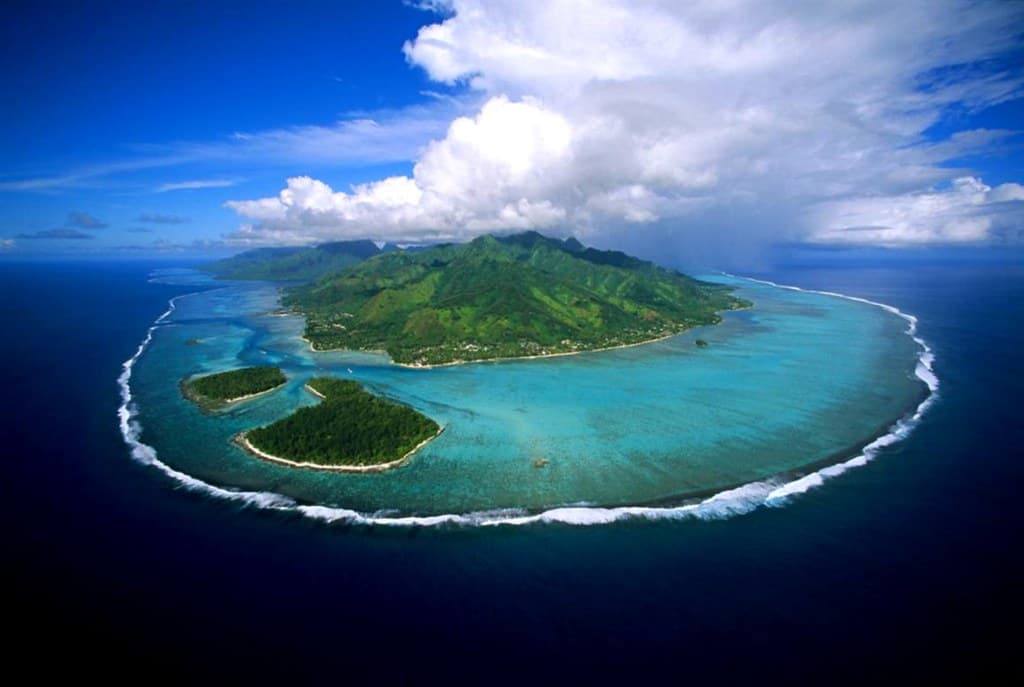
French Polynesia is the South Pacific of the imagination, spread across an ocean area roughly the size of Europe yet holding only a scattering of inhabited islands. The image everyone has — a turquoise lagoon, a cone of green volcano, and a row of overwater bungalows — is real, but it is only one face of a remarkably diverse country. Beyond Bora Bora lie the dramatic hiking and whales of Moorea, the dive meccas of the Tuamotu atolls, and the wild, sea-cliff Marquesas that inspired Gauguin and Melville. The distances are vast, the prices are high, and the rewards are unforgettable. This is a place where slow island-hopping is the whole point.
Quick Facts at a Glance
- Capital: Papeete (on Tahiti)
- Status: Overseas collectivity of France
- Currency: CFP franc (XPF); euros and USD sometimes accepted, cards widely used
- Languages: French and Tahitian (both official); English understood in resorts and tourist areas
- Visa: French/Schengen rules; visa-free for US, Canada, EU, and many others for short stays
- Population: Around 280,000
- Islands: 118 across five archipelagos (Society, Tuamotu, Marquesas, Gambier, Austral)
- Best for: Lagoons, diving, hiking, sailing, honeymoon escapes
- Recommended duration: 10–14 days minimum
- Budget: Very high — one of the world's most expensive destinations
- Getting around: Domestic flights (Air Tahiti, Air Moana), ferries (Aremiti), rental cars on the larger islands
- Time zone: GMT−10
Why Visit French Polynesia?
The appeal goes well beyond the postcard lagoons.
What Makes French Polynesia Special
- Iconic lagoons: Bora Bora and the Tuamotu atolls have some of the planet's clearest, most vivid water.
- Five archipelagos, five characters: Volcanic Societies, coral atoll Tuamotus, rugged Marquesas, remote Australs, tiny Gambiers.
- World-class diving: Sharks, manta rays, drift dives, and pristine reefs.
- Hiking and whales: Moorea's peaks and Tahiti's waterfalls, plus humpbacks in season.
- Polynesian culture: Tattooing, dance, song, and a living indigenous heritage.
- A shark sanctuary: One of the world's largest, making encounters routine rather than rare.
French Polynesia Region by Region
Tahiti
The largest island and gateway, home to Papeete, the Faaa international airport, and the famous Marché de Papeete market. Tahiti has black-sand surf beaches on its south coast (Papenoo, for big-wave season), the Museum of Tahiti and the Islands, the Arahurahu marae (ancient stone temple), and the inland Fautaua and Vaiharuru waterfalls. Most travelers use Tahiti as a springboard rather than a base, but a day or two is worthwhile.
Moorea
Just a 30-minute ferry from Tahiti, Moorea is many visitors' favorite — a dramatic, jagged island of green spires (including iconic Mt. Rotui), pineapple plantations, and sheltered bays. Hike Belvedere lookout, swim with stingrays and sharks, and visit in August–October for humpback whales. Moorea offers the lush-mountain experience of Bora Bora at lower prices and a more grounded, local feel.
Bora Bora
The postcard island, with a central volcanic peak (Mt. Otemanu) ringed by a luminous lagoon and barrier reef. Bora Bora is the home of the overwater bungalow, the Lagoonarium, Mt. Otemanu hikes and 4x4 safaris, and some of the world's clearest snorkeling. It is also the most expensive island in the country — but for a once-in-a-lifetime splurge, the lagoon alone justifies it.
The Tuamotu Archipelago
A chain of 77 coral atolls — flat rings of reef and palm with vast inner lagoons — and the dive heart of French Polynesia. Rangiroa (one of the world's largest atolls), Fakarava (a UNESCO biosphere reserve famous for its "wall of sharks"), and Tikehau and Manihi (quieter, with pink-sand beaches and pearl farms) are the standouts. Divers come for drift dives through the passes, sharks, manta rays, and untouched coral.
The Marquesas (Marquises)
The most remote and rugged archipelago, with no protective lagoons — islands of towering volcanic cliffs plunging into open ocean. Nuku Hiva and Hiva Oa (where Gauguin and Jacques Brel are buried) are the gateways. The Marquesas attract travelers seeking wild hiking, tikis and archaeological sites, waterfalls, and a culture distinct from the rest of the country. There are no overwater bungalows here — just raw Pacific grandeur.
The Australs and Gambiers
The remote southern Australs (Rurutu, Tubuai) draw whale-watching in their season and offer a cooler, off-grid experience. The tiny Gambier archipelago (Mangareva) is a remote pearl-farming outpost with old churches and reefs. Both are for travelers with time and a taste for the far edges of the map.
Top Things to Do
Lagoons and Beaches
- Snorkel Bora Bora's lagoon and "Lagoonarium"
- Swim with stingrays and reef sharks in Moorea's bays
- Find pink-sand coves in the Tuamotus (Rangiroa, Tikehau)
Diving
- Drift-dive Tiputa Pass in Rangiroa
- See the "wall of sharks" at Fakarava's South Pass
- Encounter manta rays at cleaning stations across the atolls
Hiking and Adventure
- Hike Moorea's Belvedere and Magic Mountain
- Climb Bora Bora's Mt. Otemanu viewpoints by 4x4
- Trek the wild valleys of the Marquesas
Culture and Wildlife
- Watch humpback whales in Moorea or the Australs (Aug–Oct)
- Visit the Marché de Papeete and a black-pearl farm
- See ancient marae (stone temples) and Marquesan tikis
Suggested 10–14 Day Itinerary
Days 1–2 — Tahiti
Arrive in Papeete; visit the market, the Museum of Tahiti, and a black-sand surf beach.
Days 3–6 — Moorea
Ferry to Moorea; hike Belvedere, swim with rays and sharks, and (in season) go whale-watching.
Days 7–9 — Bora Bora
Fly to Bora Bora; spend lagoon days snorkeling, a 4x4 island tour, and an overwater-bungalow night or two if budget allows.
Days 10–12 — A Tuamotu Atoll
Fly onward to Rangiroa or Fakarava for drift dives, pink-sand beaches, and atoll life.
Days 13–14 — Return via Tahiti
Fly back to Tahiti for a final market meal and the flight home. (Travelers with more time can substitute the Marquesas for the Tuamotus.)
Best Time to Visit
Dry Season (May–October) — Best Overall
Cooler, drier, and less humid, with reliable sunshine and good visibility for diving. This is the austral winter, and the peak travel window. Humpback whales visit from around August to October.
Humid Season (November–April)
Hotter, wetter, and more humid, with calmer lagoons but the risk of tropical downpours and the occasional cyclone. Lusher scenery, fewer crowds, and lower prices outside the Christmas/New Year peak.
Getting There and Around
Fly into Faaa International Airport (PPT) on Tahiti, with direct flights from Los Angeles, San Francisco, Paris (via), Auckland, and Tokyo. Once there:
- Air Tahiti / Air Moana: The domestic carriers linking the Society, Tuamotu, and Marquesas islands; buy a multi-island pass if visiting several.
- Ferries: Aremiti and other lines connect Tahiti with Moorea (30 min); ferries also serve some Leeward Islands.
- Rental cars: Useful on Tahiti, Moorea, Bora Bora, and the larger islands; they drive on the right.
- Bicycles and boats: The way to get around on smaller islands and atolls.
- Inter-island flights: Essential for the Tuamotus and Marquesas — book well ahead.
Where to Stay
- Family pensions: The budget- and mid-range backbone across all islands; basic but characterful, often with meals.
- Mid-range hotels and resorts: Comfortable options on Tahiti, Moorea, and Huahine.
- Boutique lodges: Small, design-led properties, especially on the Tuamotus and Marquesas.
- Overwater-bungalow resorts: The signature luxury of Bora Bora, Moorea, and Taha'a — among the most expensive hotel rooms on Earth.
- Liveaboards: Dive liveaboards cruise the Tuamotus for serious divers.
Food and Drink
Polynesian food blends French technique with Pacific ingredients:
- Poisson cru (a'i'a): The Tahitian answer to ceviche — raw fish "cooked" in lime and coconut milk.
- Ma'a tahiti: A traditional earth-oven feast of pork, fish, breadfruit, and taro wrapped in banana leaves.
- Fresh fish: Tuna, mahi-mahi, and job fish grilled or raw.
- Breadfruit (uru) and taro: Starchy staples at most meals.
- Fresh tropical fruit: Pineapples (Moorea), mangoes, papayas, and bananas.
- Hinano: The local lager, ubiquitous across the islands.
Costs and Budgeting
French Polynesia is expensive — there is no way around it. Almost everything is imported and priced accordingly, and Bora Bora's resorts are in a class of their own. The keys to a more affordable trip are family pensions (with kitchen access), self-catering from markets, choosing Moorea over Bora Bora, and limiting the number of island flights. Even so, expect costs well above most tropical destinations. Most travelers come for a special occasion and budget accordingly. Prices here are intentionally qualitative, as they vary with the season, the CFP franc rate, and resort categories.
Safety and Practical Tips
- Safety: Very safe; violent crime is rare. Take normal care with valuables on beaches and at ports.
- Sun: The sun is intense — use reef-safe sunscreen and drink plenty of water.
- Costs: Stock up on snacks and drinks at the Papeete market before flying to outer islands, where prices rise further.
- Marine life: Reef shoes help on coral; listen to guides on current-swept passes.
- Whale watching: Choose operators with responsible-watching permits (EDM) and give animals space.
- Tap water: Generally safe in Papeete and resorts; bottled water is common elsewhere.
- Connectivity: Wi-Fi and cell coverage are good on the main islands but spotty in the outer archipelagos.
The Overwater Bungalow: Origin Story and Reality
French Polynesia didn't invent the overwater bungalow — that credit generally goes to the early 1970s on Moorea — but it perfected the concept, and the image of a thatched villa perched over a turquoise lagoon is now inseparable from the brand of Bora Bora. The reality lives up to the image for many travelers: a private deck from which you can step straight into warm, clear water, glass floor panels revealing reef fish below, and the gentle lap of the lagoon as your soundtrack. The catch is cost — overwater bungalows in Bora Bora and Moorea are among the most expensive hotel rooms anywhere in the world, with nightly rates that can rival the entire budget of a backpacker's trip elsewhere.
A few practicalities help. Location matters: a villa on the lagoon side offers calm water and reef views, while one on the ocean side faces open water and more swell. Type of resort shapes the experience: large international resorts offer scale and polish, while smaller properties and family pensions offer intimacy and authenticity at far lower cost. Length of stay typically drives the splurge — many travelers book two or three nights overwater as the centerpiece of a longer trip, and spend the rest in more affordable garden or beach bungalows. And the experience isn't only for honeymooners: families, divers, and groups all find the overwater stay magical, though it does put you at the resort rather than in a local village. Decide what balance of luxury and authenticity you want, and budget accordingly.
Diving the Tuamotu: Among the World's Best
For serious divers, the Tuamotu archipelago is the real heart of French Polynesia, and arguably one of the world's great dive destinations. These flat coral atolls — rings of reef and palm around vast inner lagoons — are defined by their passes (passes à hoa), the channels where the ocean pours in and out with the tides, carrying nutrients and an extraordinary density of marine life. Drift-diving these passes is a unique thrill: you descend, hook into the current or ride it, and watch a procession of pelagic life stream past.
Rangiroa, one of the largest atolls on Earth, offers the famous Tiputa Pass, where bottlenose dolphins regularly ride the bow wave, schools of gray reef sharks patrol, and manta rays and even hammerheads appear in season. Fakarava, a UNESCO Biosphere Reserve, is famous for its South Pass (Tumakohua), where divers drift through a literal "wall of sharks" — hundreds of gray reef sharks in formation — among pristine coral and clouds of fish. Tikehau and Manihi are quieter, with pink-sand coves, manta cleaning stations, and the feeling of diving at the edge of the world. The visibility is often exceptional, the water warm, and the shark and ray encounters routine thanks to French Polynesia's status as one of the world's largest shark sanctuaries. Non-divers are well served too — the shallow lagoon snorkeling and pink-sand beaches are extraordinary in their own right.
Humpback Whales, Manta Rays, and the Big-Pelagic Experience
French Polynesia is one of the world's great marine-wildlife destinations, and the encounters extend well beyond the reefs. From roughly August to October, humpback whales migrate from Antarctica to the warm waters around Moorea, Tahiti, and the Australs to mate and calve, and licensed operators run responsible whale-watching and even in-water snorkeling with them. The sight of a mother and calf resting in a calm bay, or a male breaching in the distance, is among the great wildlife experiences anywhere. Moorea is the most accessible base, with operators who follow strict approach guidelines and prioritize the animals' welfare.
Manta rays are a year-round draw at several sites, particularly cleaning stations on the outer reef slopes of Bora Bora, Rangiroa, and Tikehau, where the giants glide in to be serviced by small cleaner fish. Dolphins, particularly spinner and bottlenose, are common on boat trips and often bow-ride. In the right season and sites, divers encounter hammerheads, lemon sharks, tiger sharks, and silvertips, and the sheer biomass of fish life on the healthy reefs has to be seen to be believed. Choose operators with responsible-watching permits, give all animals generous space, never touch or chase marine life, and these encounters — alongside the sharks and rays of the lagoons — explain why French Polynesia is a pilgrimage for underwater enthusiasts.
Polynesian Culture, Tattoos, and the Heiva
French Polynesia is not just a beach destination — it is the cradle of one of the world's great seafaring cultures, and engaging with that culture is among the trip's richest rewards. Polynesian culture stretches back over a thousand years of open-ocean voyaging, with navigators who settled an ocean area the size of a continent using stars, currents, and bird behavior. The tattoo, in particular, is central to Polynesian identity — far more than body decoration, traditional tattoos mark genealogy, status, and life events, and modern Tahitian tattooing is internationally respected. Many visitors choose to receive a meaningful small piece from a respected local artist, though it should be approached with cultural respect rather than as a souvenir.
The Heiva i Tahiti, held each July, is the great cultural festival — a month of traditional dance, drumming, singing, sport, and craft competitions that fills Papeete and towns across the islands. The ori Tahiti (Tahitian dance), with its powerful drum rhythms and elaborate costumes, is breathtaking to witness live. Beyond the festival, you can experience culture through marae (ancient stone temple) sites on Moorea, Raiatea's Taputapuatea (a UNESCO site and one of the most sacred places in Eastern Polynesia), handicraft markets in Papeete, black pearl farms in the Tuamotus, and the warm hospitality of family pensions where you eat poisson cru and hear stories of island life. Honoring this depth — rather than treating French Polynesia as just a backdrop — transforms a beach trip into something far more meaningful.
Logistics, Costs, and Planning a Multi-Island Trip
French Polynesia rewards careful planning, and a few logistics decisions make or break a trip. The country is vast — the archipelagos spread over an ocean area roughly the size of Europe — so you cannot see everything; choose two or three islands rather than trying to tick off many. Inter-island flights on Air Tahiti (and increasingly Air Moana) are the backbone of travel, and a multi-island air pass can save substantially if you're visiting several. Ferries link Tahiti and Moorea cheaply and often, and serve some of the Leeward Islands (Huahine, Raiatea, Taha'a, Bora Bora), but flying is necessary for the Tuamotus and Marquesas.
Budget realistically. French Polynesia is among the world's most expensive destinations: imported goods, resorts, and inter-island flights all add up, and Bora Bora sits in a price category of its own. The keys to a more affordable trip are family pensions (with kitchen access), self-catering from markets (especially the Papeete market before flying out to outer islands), choosing Moorea over Bora Bora, and limiting the number of island flights. The CFP franc (XPF) is pegged to the euro, and credit cards are widely accepted in resorts and towns. Build a buffer day in Papeete for flight connections, accept that everything moves on "island time," and you'll find that even a relatively modest French Polynesia trip delivers experiences — those lagoons, those dives, those whales — that justify the journey.
The Marquesas: Wild Frontier of the Pacific
For travelers seeking something far beyond the lagoon-and-bungalow itinerary, the Marquesas Islands (Marquises) offer a completely different French Polynesia — rugged, misty, and sparsely populated, with no protective barrier reefs and a culture all their own. These volcanic islands rise dramatically from the open Pacific, their green spires and sea cliffs plunging straight into deep water. Nuku Hiva, the largest, offers hair-raising 4x4 tracks, waterfalls like Vaipo, ancient tikis and mehae (stone temples), and the dramatic Hatiheu bay. Hiva Oa, to the southeast, is where the painter Paul Gauguin and the singer Jacques Brel are buried, and is the gateway to remarkable archaeological sites including the largest tikis in French Polynesia.
There are no overwater bungalows here, no calm turquoise lagoons, and no mass tourism — instead there are hiking trails into dripping valleys, wild horses on the ridges, carved stone statues, and a powerful sense of remoteness. Reaching the Marquesas requires a six-hour flight from Tahiti (with Air Tahiti's dedicated service) or an even longer cargo-passenger voyage by the Aranui freighter, itself a famous travel experience. Life moves slowly, the landscape is overwhelming, and the welcome from the Marquesan people is unforgettable. For travelers who have already done the classic lagoon circuit, or who simply prefer raw wilderness over resort luxury, the Marquesas are among the most rewarding destinations in the entire Pacific.
Black Pearls, Vanilla, and the Local Economy
Two products define French Polynesia's economy and culture beyond tourism, and understanding them enriches any visit. The Tahitian black pearl, cultivated primarily in the lagoons of the Tuamotu atolls, is the country's most famous export and one of the few genuinely local luxury goods. True Tahitian cultured pearls come in a remarkable range of natural dark colors — peacock green, aubergine, silver, pistachio — and are graded on size, shape, surface quality, and luster. Reputable jewelers provide certificates of authenticity; beware of fakes in markets. A pearl, chosen carefully and bought from a certified dealer, is a uniquely meaningful souvenir of a trip, and visiting a pearl farm in Rangiroa, Tikehau, or Manihi shows you exactly how they are grown over years inside the black-lipped oyster.
Vanilla is the other signature product — French Polynesia (especially the Tubuai/Austral Islands, Huahine, and the Leeward Islands) grows a prized, richly scented vanilla that has earned an international reputation. You'll find it in markets, in desserts, and in soaps and oils; buying whole pods direct from growers supports a small but culturally important industry. Tiaré flowers, woven palm crafts, monoï oil (coconut oil infused with tiaré), and pareos (the colorful wrap worn by everyone) round out the locally made goods worth seeking out. Engaging with the products and the people who make them — at the Papeete market, on a farm, at a craft stall — turns shopping from a transaction into a window onto island life, and supports the real economy rather than the resort economy.
Final Thoughts
French Polynesia is a destination that genuinely earns its mythic reputation, then keeps surprising you with how much more there is beneath the surface. Come for the Bora Bora lagoon, and you'll find yourself planning a return to drift-dive Fakarava, hike the Marquesas, or share a lagoon with humpback whales off Moorea. It is expensive, and the distances across the Pacific are real, but the lagoons are as blue as advertised, the diving is among the world's best, and Polynesian culture is alive, proud, and generous. Whether you have a honeymoon budget for an overwater villa or a backpacker budget for family pensions, the islands reward travelers who come with respect for the ocean, the culture, and the rhythm of life here at the heart of Polynesia. This is the South Pacific at its most iconic — worth the journey, worth the splurge, and worth returning to again and again.
Plan carefully, travel slowly, and the islands will give you stories worth telling for a lifetime — from a single perfect morning on a Bora Bora lagoon to a drift dive through a wall of sharks in Fakarava. Find French Polynesia itineraries and operator listings on the tours marketplace and more island stories on the travel blog.
Frequently Asked Questions
Tahiti is just one island — the largest and most populated, home to the capital Papeete and the international airport. French Polynesia is the whole country, an overseas collectivity of France spanning 118 islands across five archipelagos in the South Pacific. Most visitors arrive on Tahiti and then island-hop outward.
The dry austral winter, from May to October, brings cooler temperatures, lower humidity, and less rain — the best overall window. The humid summer from November to April is hotter, wetter, and lusher, with calmer lagoons but possible tropical downpours. Humpback whales visit Moorea and Tahiti from around August to October.
Bora Bora is one of the world's most expensive destinations. Overwater bungalows at luxury resorts are the defining splurge, and meals, boat transfers, and activities add up quickly. Budget travelers can stay at family-run pensions and self-cater, but even those cost more than equivalent stays elsewhere. Prices are deliberately qualitative here and shift with the season.
Allow ten to fourteen days minimum for a two- or three-island loop (for example Tahiti/Moorea plus Bora Bora, or a Tuamotu atoll). Travel between islands takes time with flights and ferries, so a rushed week risks being spent in transit. The South Pacific rewards a slower pace.
French Polynesia is an overseas collectivity of France, so Schengen/French visa rules apply. Citizens of the United States, Canada, the EU, and many other countries can enter visa-free for short tourist stays (up to 90 days) without a visa. Confirm current requirements before travel.
They offer different experiences. Moorea is dramatic — jagged green peaks, hiking, and a relaxed vibe close to Tahiti by ferry. Bora Bora has the iconic turquoise lagoon and the famous overwater bungalow resorts, but is more expensive and resort-focused. Many travelers do both if budget allows.
Yes, and that is a major draw. French Polynesia created one of the world's largest shark sanctuaries, and you'll see blacktip reef sharks in the shallows and larger species around dives sites. Shark and ray snorkels are popular, especially in the Tuamotu atolls. Attacks on people are extremely rare.
French Polynesia is famous for Bora Bora's lagoon and overwater bungalows, the jagged peaks of Moorea, world-class diving in the Tuamotu atolls (especially Rangiroa and Fakarava), black pearls, Polynesian culture and tattoos, and the remote, rugged Marquesas Islands.
Adventure Knit Editorial
Destination research compiled and fact-checked by the Adventure Knit editorial team from published sources, operator itineraries, and official tourism boards. Spot something out of date? Tell us at hello@adventureknit.com.
Related Stories
 Belize
Belize Great Blue Hole & Cayes: Diving & Snorkeling Guide
Complete guide to Belize's Great Blue Hole, the Barrier Reef and cayes. How to visit, diving and snorkeling, who it suits, costs, best time and practical tips.
 Seychelles
Seychelles Island-Hopping Guide: Mahé, Praslin & La Digue
Complete Seychelles island-hopping guide covering Mahé, Praslin, La Digue and outer islands. Best beaches, hiking, giant tortoises, costs and practical tips.
 Tonga
TongaSwimming with Humpback Whales in Tonga: Complete Guide
Complete guide to swimming with humpback whales in the Kingdom of Tonga. Where to go, how permits and operators work, best months, costs, ethics and safety.
Enjoyed this article?
Explore more stories from our adventures around the world