
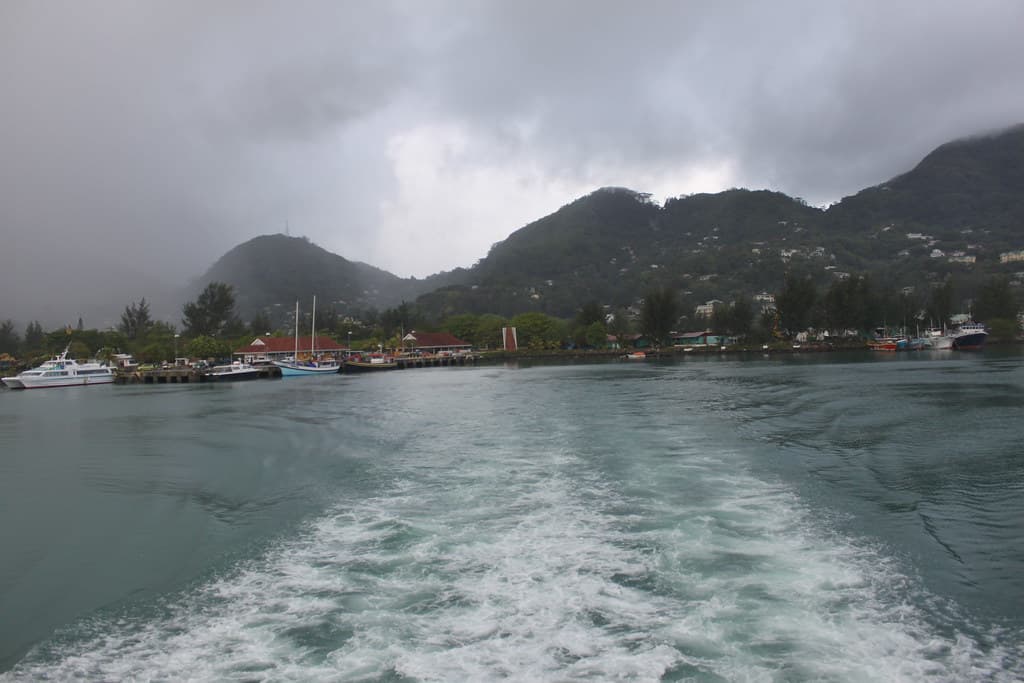
Seychelles Island-Hopping Guide: Mahé, Praslin & La Digue
Categories
Tags
The Seychelles is an Indian Ocean archipelago of 115 granite and coral islands, best explored by hopping between Mahé, Praslin, and the car-free La Digue. Expect world-class beaches framed by granite boulders, the primeval Vallée de Mai palm forest, giant tortoises, and excellent diving. The calmest conditions fall in the April–May and October–November transition periods; allow ten to fourteen days for a relaxed island-hopping loop.
Seychelles Island-Hopping Guide: Mahé, Praslin & La Digue
The Seychelles is the beach destination that ruins you for every other beach destination. Scattered across the Indian Ocean northeast of Madagascar, its 115 islands split into two kinds: the granitic inner islands, with their impossible granite boulders tumbling into turquoise water, and the low coral atolls of the outer islands. The big three — Mahé, Praslin, and car-free La Digue — hold most of the action, and island-hopping between them is the classic way to experience the country's range: hiking and city life on Mahé, primeval forest and pristine sand on Praslin, and a slow, bicycle-paced time-warp on La Digue. Add giant tortoises, untouched reefs, and the legendary coco de mer, and you have one of the planet's great tropical destinations.
Quick Facts at a Glance
- Capital: Victoria (on Mahé) — one of the world's smallest capitals
- Currency: Seychellois rupee (SCR); USD and euros widely accepted
- Languages: Seychellois Creole, English, and French (all official)
- Visa: Visa-free for nearly all nationalities; free Visitor's Permit on arrival up to 90 days (complete the online Travel Authorization first)
- Population: Around 100,000
- Number of islands: 115 (granite inner islands + coral outer islands)
- Best for: Beaches, hiking, snorkeling and diving, nature, honeymoons
- Recommended duration: 10–14 days
- Budget: High — luxury-led, though self-catering options exist
- Getting around: Cat Cocos ferries between main islands; Islander flights to outer islands; cars on Mahé and Praslin; bicycles on La Digue
- Time zone: GMT+4 (no daylight saving)
Why Visit the Seychelles?
The Seychelles earns its reputation by being more than just pretty sand.
What Makes the Seychelles Special
- The beaches: Granite boulder-fringed coves (like Anse Source d'Argent) found nowhere else on Earth.
- Two UNESCO sites: The Vallée de Mai on Praslin and the vast Aldabra Atoll in the outer islands.
- Giant tortoises: Some of the longest-lived animals on the planet, easy to meet up close.
- Year-round warmth: Always tropical, with conditions that shift with the trade winds rather than stopping.
- Easy island-hopping: Ferries and short flights make a multi-island loop simple.
- A living ecosystem: About 50% of the country's land is protected, giving it serious conservation credibility.
The Seychelles Island by Island
Mahé
The largest island and the gateway, home to the capital Victoria and the international airport. Mahé has more than 65 beaches, the misty forest trails of Morne Seychellois National Park (the island's highest peak), and the weekend buzz of the Eden Island marina and Beau Vallon beach. Don't miss the Sir Selwyn Selwyn-Clarke Market in Victoria and a hike up to the Copolia Trail for island views. Mahé is the practical base — car rental here is worthwhile.
Praslin
The second-largest island, a 15-minute flight or one-hour ferry from Mahé. Praslin's star attraction is the Vallée de Mai, a UNESCO-listed primeval palm forest home to the coco de mer (the world's largest seed) and the rare black parrot. Praslin also has one of the world's best beaches, Anse Lazio, plus quieter coves like Anse Georgette. It is more relaxed than Mahé and a perfect middle stop.
La Digue
Tiny, car-free La Digue is the soul of the Seychelles. Everyone gets around by bicycle or ox-cart, and the pace drops to a crawl. Its star is Anse Source d'Argent — the most photographed beach on Earth, with pale sand and sculpted granite boulders — but Anse Marron, Grand Anse, and Petit Anse are equally stunning (and sometimes wilder). Visit the old L'Union Estate copra mill and giant-tortoise enclosure, then pedal between coves. Two or three nights here is the highlight of most trips.
The Outer Islands
Beyond the inner granitics lie the remote outer islands — coral atolls and low islets with almost no people. The legendary Aldabra (the world's largest raised coral atoll, home to over 100,000 giant tortoises) is a true expedition and hard to reach. More accessible options include Bird Island (sooty tern colonies and turtles), Denis Island, and Curieuse (a day-trip from Praslin with giant tortoises roaming free). For most travelers, the outer islands are either a day-trip or a once-in-a-lifetime liveaboard.
Top Things to Do
Beaches
- Photograph Anse Source d'Argent on La Digue at sunrise
- Swim at Anse Lazio on Praslin
- Find your own cove among Mahé's 65-plus beaches
Nature and Hiking
- Walk the primeval Vallée de Mai on Praslin
- Hike the Copolia or Morne Blanc trails on Mahé
- Meet giant tortoises on Curieuse or at L'Union Estate
Snorkeling and Diving
- Snorkel the St. Pierre islet off Praslin
- Dive the granite reefs and marine parks around Mahé and Praslin
- Spot turtles, rays, and reef sharks
Culture and Wildlife
- Browse Victoria's market and clock tower (a mini Big Ben)
- Watch sooty terns on Bird Island
- See hawksbill turtles nesting (in season)
Suggested 10–14 Day Itinerary
Days 1–4 — Mahé
Arrive on Mahé; explore Victoria, hike Morne Seychellois National Park, and beach-hop from Beau Vallon to Anse Intendance and Anse Soleil.
Days 5–8 — Praslin
Ferry to Praslin; spend a day in the Vallée de Mai, beach days at Anse Lazio and Anse Georgette, and a boat trip to Curieuse and St. Pierre.
Days 9–11 — La Digue
Short ferry to La Digue; rent bicycles, hit Anse Source d'Argent at dawn, and explore Anse Marron and Grand Anse.
Days 12–14 — Outer Island or Slow Return
Add a couple of nights on Bird, Denis, or Cerf Island, or return to Mahé for a final stretch before flying home.
Best Time to Visit
Transition Periods (April–May, October–November) — Best Overall
Calm, warm seas with the best visibility for snorkeling and diving and little wind. Ideal beach conditions across all coasts.
Southeast Trade Winds (June–September)
Cooler, breezier, and drier, but seaweed (seagrass) can wash up on east-coast beaches — a natural phenomenon. Great for sailing and west-coast beaches.
Northwest Monsoon (December–March)
Hot, humid, and wetter, with calmer seas on the east coast. Excellent for diving and the lush scenery at its greenest.
Getting There and Around
Fly into Seychelles International Airport (SEZ) on Mahé. Once there:
- Cat Cocos ferries: Fast ferries linking Mahé, Praslin, and La Digue; book ahead in peak season.
- Islander flights: Short hops from Mahé to Praslin and several outer islands.
- Cars: Rent on Mahé and Praslin for full freedom; remember they drive on the left.
- Bicycles: The way to explore La Digue; rent on arrival.
- Taxis: Available but pricey; agree fares in advance.
Where to Stay
- Self-catering guesthouses: The budget- and mid-range option, common on all three islands.
- Mid-range hotels: Comfortable resorts and small hotels on Mahé and Praslin.
- Boutique properties: Intimate, design-led lodges, especially on Praslin and La Digue.
- Luxury resorts: World-famous five-stars on private islands and signature beaches — the splurge options that define the Seychelles.
- Outer-island lodges: Remote, all-inclusive escapes on islands like Bird, Denis, or North Island.
Food and Drink
Creole cuisine blends African, French, Indian, and Chinese influences:
- Grilled fish: Fresh red snapper, job fish, and tuna, often in garlic-butter or Creole sauce.
- Octopus curry: A Seychellois classic, slow-cooked with coconut.
- Ladob: Sweet or savory banana/sweet potato dessert (originally a breakfast dish).
- Shark chutney: A tangy purée served with rice.
- Fresh tropical fruit: Mangoes, papayas, starfruit, and the famous coco de mer (in season).
- Seybrew: The local lager, perfect after a beach day.
Costs and Budgeting
The Seychelles is a premium destination. Imported goods, resorts, and inter-island transport push prices well above most tropical alternatives. Self-catering guesthouses, local takeaway joints, and the ferries (rather than flights) are the keys to traveling more affordably. Expect to pay resort-level prices for dinners at hotels and high markups on imported alcohol. Most travelers come for a special occasion — a honeymoon or anniversary — and budget accordingly. Prices here are deliberately qualitative, as costs shift with the season and the rupee rate.
Safety and Practical Tips
- Safety: Very safe; violent crime is rare. Take normal care with valuables on beaches and in rentals.
- Sun and water: The sun is intense — use reef-safe sunscreen and hydrate. Watch currents on wilder beaches (especially on La Digue's south coast).
- Seaweed: From June to September, seaweed on east-coast beaches is natural; the west coast stays clear.
- Conservation fee: A small environmental sustainability fee is collected on arrival.
- Wildlife: Don't touch coral or marine life; give tortoises space.
- Mosquitoes: Use repellent, especially in forested and wetter areas.
- Tap water: Generally treated and safe in developed areas, but many visitors drink bottled water.
The Coco de Mer and the Vallée de Mai
The coco de mer is the Seychelles' botanical marvel and one of the natural world's strangest treasures. Endemic to just two of the inner islands, it produces the largest seed of any plant on Earth — a double-lobed, famously suggestive fruit that can weigh up to 30 kilograms. The trees themselves are towering, ancient-looking palms with vast fan-shaped fronds, and a protected grove of them survives in the Vallée de Mai on Praslin, a UNESCO World Heritage site that feels like a real-world Jurassic Park. Walking its shaded trails among the coco de mer, you may glimpse the rare Seychelles black parrot, the country's national bird, and sense why early sailors believed these islands were the original Garden of Eden.
A visit to the Vallée de Mai is essential and deserves a half-day rather than a quick walk-through. Several trails loop through the palm forest, including the climb to the top of the valley for views over Praslin. Entry carries a modest conservation fee that funds the park's protection, and knowledgeable wardens explain the ecology and the coco de mer's remarkable life cycle, in which male and female trees grow separately and the seeds take years to develop and germinate. Legal, certified coco de mer seeds can be bought from licensed vendors — buy only these, with their official permits, since the black-market trade threatens the wild population. For any traveler with even a passing interest in nature, the Vallée de Mai is a genuine highlight.
Giant Tortoises: Meeting Living Antiquity
The giant tortoises of the Seychelles are among the longest-lived animals on the planet, with some individuals estimated to be well over 150 years old. Once hunted nearly to extinction across the Indian Ocean, they now thrive in protected reserves and on certain islands, where they lumber across the grass in slow, ancient processions. On Curieuse Island, a day trip from Praslin, a free-roaming colony can be approached at close range, and conservation rangers explain the breeding program protecting the species. On La Digue, the L'Union Estate keeps a group of tortoises visitors can meet, and several resorts and smaller reserves host their own populations.
Approaching them is a quietly profound experience — these animals were already old before you were born and may well outlive most readers of this guide. Treat them with respect: never ride them, never touch their heads, and keep a calm, slow distance. The most remarkable giant-tortoise population anywhere lives on Aldabra, the vast remote atoll in the outer islands, where over 100,000 animals roam — but reaching Aldabra is a true expedition requiring special permits and significant time and cost. For most travelers, the accessible reserves on the inner islands offer an unforgettable encounter with creatures whose lineage predates the human species itself.
Diving and Snorkeling the Inner Reefs
The Seychelles sits on the northern end of the Mozambique Channel and offers diving and snorkeling that ranges from easy shore entry to dramatic wall and drift dives. The granitic inner islands are fringed by coral gardens and boulder formations that shelter an astonishing density of marine life — hawksbill and green turtles, whale sharks (in season), manta and eagle rays, octopus, moray eels, and clouds of reef fish. Snorkelers can simply swim off many of the famous beaches, particularly on Praslin and La Digue, and encounter turtles and rays in shallow, warm water; divers have access to wall dives, shark dives, and the marine national parks around St. Anne, Curieuse, and Cousin.
A few sites deserve special mention. St. Pierre, a tiny islet off Praslin, is a classic snorkel and shallow dive with dramatic granite formations and dense fish life. The Aldabra atoll is a diver's holy grail, with pristine reefs and enormous pelagic life, but is reachable only on specialized liveaboard expeditions. Whale sharks visit the inner islands most reliably from August to November, particularly around Mahé, and responsible snorkeling with them — with licensed operators — is one of the great underwater experiences anywhere. The Seychelles' reefs suffered coral bleaching in past warm-water events, but recovery and active conservation are ongoing, and the fish life remains outstanding. Bring a mask, snorkel, and reef-safe sunscreen, and treat the ocean as the heart of the experience.
Island-Hopping Logistics and Pacing
The genius of a Seychelles trip is the island-hop, and the logistics are easy enough for first-timers. The Cat Cocos fast ferries link Mahé, Praslin, and La Digue multiple times daily, with the Mahé–Praslin leg taking about an hour and the Praslin–La Digue hop just 15 minutes; book ahead in peak season, as boats fill. For speed and views, Islander flights connect Mahé to Praslin in 15 minutes and run to several outer islands. A sensible structure is three or four nights per island — enough to settle in, do a few activities, and recover from travel without rushing. Two weeks lets you add an outer island or simply unwind; a rushed week leaves you spending too much of it in transit.
Pacing matters more than itinerary perfection. The Seychelles rewards travelers who schedule less, not more — leave afternoons open for an unplanned beach, a long lunch, or simply watching the light move across the granite. Build a buffer day on Mahé at the start, since flight delays and ferry schedules occasionally shift. Rent a car on Mahé and Praslin for full freedom (driving is on the left), but on La Digue bicycles are the only sensible option and half the charm. Combining one busier island with one quieter one — Praslin with La Digue, or Mahé with a remote atoll — gives you both the lively Creole culture and the perfect solitude the Seychelles is famous for.
Creole Culture, Music, and Markets
Beyond the beaches, the Seychelles has a distinct Creole identity shaped by African, French, British, Indian, Chinese, and Arab influences, all woven together over centuries of Indian Ocean trade. Victoria, one of the world's smallest capitals, is the cultural heart, with the bustling Sir Selwyn Selwyn-Clarke Market selling fish, spices, fruit, and crafts, and the famous miniature Big Ben-style clock tower at its center. The Seychellois Creole language — a French-based Creole with African and Asian vocabulary — is heard everywhere, alongside the official English and French. Sega and moutya, the traditional music and dance forms, with their rhythmic drums and call-and-response singing, are UNESCO-recognized and performed at cultural events and hotels.
Food is the most delicious expression of this mix — fresh fish in coconut and garlic, octopus curry, ladob, shark chutney, and curries reflecting Indian and Chinese roots. The Saturday market in Victoria is the best place to sample street food, buy vanilla and cinnamon, and watch the islands' multicultural character in action. The Seychellois are genuinely warm, and engaging with the culture — eating where locals eat, learning a few Creole greetings, attending a sega night — turns a beach holiday into something richer. The islands have a story to tell, and travelers who slow down enough to hear it come away with more than a tan.
The Outer Islands: Expeditions to the Edge
For travelers with time, ambition, and budget, the outer islands of the Seychelles offer some of the most untouched experiences left on the planet. Of the 115 islands, only a handful of the granitic inner islands are populated; the rest are low coral atolls, sand cays, and raised reefs scattered across an ocean area the size of a small sea, and visiting them is a true expedition. The crown jewel is Aldabra, the world's largest raised coral atoll and a UNESCO site, home to the enormous giant-tortoise colony, vast seabird populations, and marine life that has barely been touched by humans. Reaching Aldabra requires a special permit and either a liveaboard dive expedition or a charter, but for serious divers and naturalists it is among the most extraordinary places on Earth.
More accessible outer islands include Bird Island, a flat coral cay famous for its enormous sooty tern colony (numbering over a million birds) and for nesting hawksbill and green turtles; Denis Island, with a single low-key lodge, bonefish flats, and seabirds; Desroches, the main island of the Amirantes group with a resort and excellent diving; and Farquhar and Cosmoledo, remote atolls reached only on specialized fishing and diving charters. Even a few nights on an outer island is a total change of pace — no cars, no crowds, just palms, sand, seabirds, and stars. These trips are not cheap and require planning, but they deliver the kind of wilderness experience that has all but vanished elsewhere, and they leave a deep impression on those lucky enough to make the journey.
Hiking the Granitic Peaks of Mahé
While most visitors come for the water, Mahé's mountains offer superb hiking and the chance to see the Seychelles' interior — a world of misty granite peaks, endemic palms, and pitcher plants — that beach-only travelers miss entirely. The Morne Seychellois National Park covers about 20% of the island and protects its highest peak, Morne Seychellois (905 meters), along with trails through cloud forest and along the ruins of old cinnamon and copra plantations. The Copolia Trail, a relatively short but steep climb, rewards with panoramic views over the east coast and the inner islands, while the Morne Blanc trail passes through misty forest to a dramatic viewpoint over the west coast. The Anse Major trail descends to a beautiful and secluded beach reachable only on foot or by boat.
A few hiking notes: trails can be steep, muddy, and humid — bring at least two liters of water, sturdy shoes, insect repellent, and a hat. Hire a local guide for less-marked routes or for naturalist interpretation of the unique flora, which includes endemic orchids, the bizarre jellyfish tree, and the famous coco de mer (on Praslin, not Mahé). Birders should watch for the Seychelles bulbuls, sunbirds, blue pigeons, and, with luck, the rare Seychelles scops-owl. For travelers willing to leave the sand for a morning, Mahé's mountains offer a cool, green, and very different view of the islands — and the perspectives from the ridges rival anything seen from a boat.
Sustainable Travel in a Fragile Paradise
The Seychelles has positioned itself as a leader in marine conservation, but its ecosystems remain fragile, and responsible travel matters more here than in most destinations. About 50% of the country's total land area is under some form of protection, and the government has pioneered debt-for-nature swaps and vast marine protected areas, particularly around the outer islands. As a visitor, you can support these efforts directly. Choose accommodations and operators with credible sustainability practices; use reef-safe sunscreen without oxybenzone and octinoxate; never touch or stand on coral, and give all marine life — turtles, rays, sharks, dolphins — generous space. Carry out everything you carry in, even on the most remote beaches, and refuse single-use plastics where possible.
Respect the cultural environment too. The Seychellois are warm but dignified — ask before photographing people, dress modestly when leaving the beach (cover swimwear in towns, markets, and buses), and greet people with a polite "bonzour" before launching into requests. Buy crafts and produce directly from local markets rather than hotel boutiques, and consider contributing to a local conservation organization. Traveling this way helps ensure that the extraordinary reefs, forests, and wildlife that draw visitors to the Seychelles are still here for the next generation — and the gentle, respectful pace it encourages tends to make for a richer trip, too.
Final Thoughts
The Seychelles earns the hype. The beaches are not just beautiful but genuinely unique — those smooth granite boulders and pale sands exist nowhere else — and the islands back up the sand with primeval forests, giant tortoises, and reefs that still feel wild. It is expensive, yes, but a well-planned island-hop mixing Mahé, Praslin, and La Digue delivers one of the most memorable tropical trips on Earth. Come for a honeymoon, anniversary, or simply because the photos finally broke your willpower. Find Seychelles itineraries and operator listings on the tours marketplace and more island stories on the travel blog.
Frequently Asked Questions
Yes, the Seychelles is one of the pricier Indian Ocean destinations. Imported goods, resorts, and inter-island flights add up, and the islands host many high-end hotels. Budget travel is possible with self-catering guesthouses, local takeaways, and ferries, but expect costs well above nearby Mauritius or Southeast Asian beach destinations.
The Seychelles is a year-round destination, but the calmest, warmest transition periods — April to May and October to November — offer the best conditions for snorkeling, diving, and beach days. The southeast trade winds from June to September bring cooler, breezier weather and seaweed on some east-coast beaches, while December to March is hot and humid with occasional rains.
Seven to ten days lets you visit Mahé, Praslin, and La Digue at a relaxed pace; two weeks lets you add an outer island or simply slow down. Rushing it in five days means you'll spend much of your time on ferries and flights. The Seychelles rewards travelers who linger.
The Seychelles is visa-free for nearly all nationalities. Visitors receive a free Visitor's Permit on arrival valid for up to 90 days, provided they have a valid passport, proof of accommodation, and an onward ticket. You must also complete the online Seychelles Travel Authorization before arrival.
All three main islands have stunning beaches, but tiny car-free La Digue is the consensus favorite, home to the world-famous Anse Source d'Argent. Praslin offers the gorgeous Anse Lazio, and Mahé has dozens of beautiful coves including Anse Intendance and Anse Soleil. Each island brings a different character.
Cat Cocos fast ferries connect Mahé, Praslin, and La Digue in 15 to 60 minutes, and small Islander planes link Mahé with Praslin and several outer islands. On Mahé and Praslin you can rent a car or use taxis; La Digue is bicycle and ox-cart territory only.
Yes, particularly during the wetter, hotter months. Most are nuisance mosquitoes rather than disease vectors, but take normal precautions with repellent, especially at dawn and dusk and in forested areas. Rooms in good accommodations are screened or air-conditioned.
The Seychelles is famous for its granite boulder-fringed beaches (some of the most photographed on Earth), giant tortoises, the coco de mer palm and the primeval Vallée de Mai on Praslin, world-class diving, and its status as a luxury honeymoon destination.
Adventure Knit Editorial
Destination research compiled and fact-checked by the Adventure Knit editorial team from published sources, operator itineraries, and official tourism boards. Spot something out of date? Tell us at hello@adventureknit.com.
Related Stories
 Belize
Belize Great Blue Hole & Cayes: Diving & Snorkeling Guide
Complete guide to Belize's Great Blue Hole, the Barrier Reef and cayes. How to visit, diving and snorkeling, who it suits, costs, best time and practical tips.
 French Polynesia
French Polynesia Guide: Tahiti, Bora Bora & Moorea
Complete French Polynesia travel guide covering Tahiti, Moorea, Bora Bora, the Tuamotu atolls and Marquesas, with itineraries, diving, costs and tips.
 Tonga
TongaSwimming with Humpback Whales in Tonga: Complete Guide
Complete guide to swimming with humpback whales in the Kingdom of Tonga. Where to go, how permits and operators work, best months, costs, ethics and safety.
Enjoyed this article?
Explore more stories from our adventures around the world