
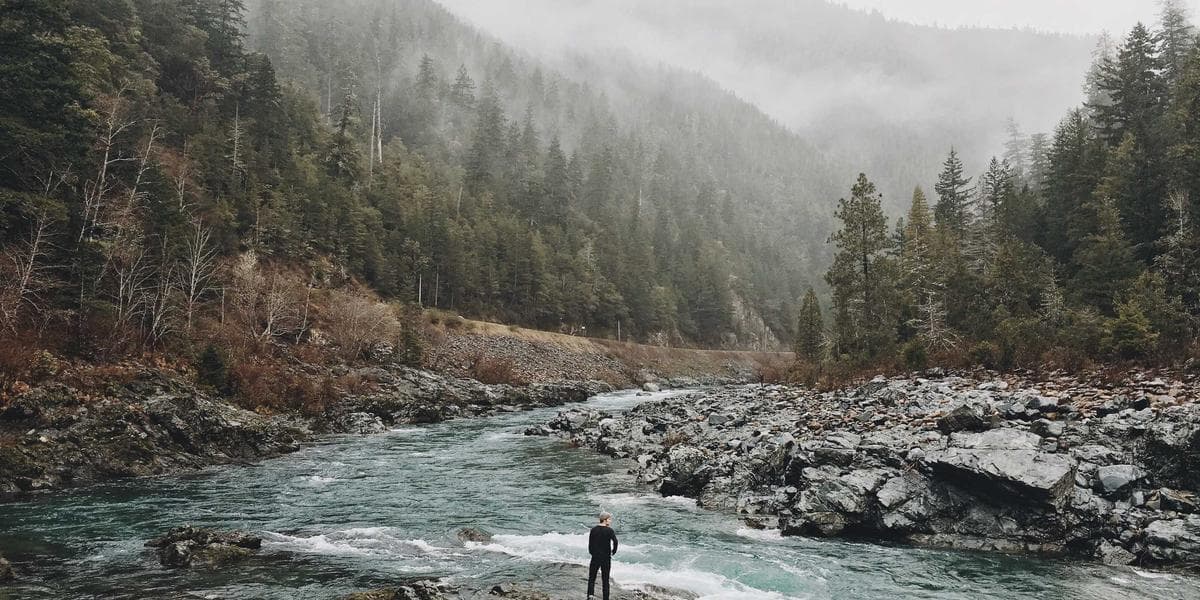
Heli-Skiing Alaska: The Ultimate Powder Snow Adventure Guide
Categories
Tags
Heli-Skiing Alaska: The Ultimate Powder Snow Adventure Guide
Stepping out of a Bell 212 helicopter onto a ridge at 7,000 feet, surrounded by the dramatic peaks of Alaska's Chugach Mountains, with thousands of vertical feet of pristine powder snow stretching before you, is an experience that transforms your understanding of skiing forever. After 15 seasons guiding heli-skiing in Alaska, I've watched powder skiers from around the world experience the same overwhelming joy and adrenaline rush when they drop into their first Alaskan descent. The Chugach Mountains offer the most consistent and accessible heli-skiing terrain on Earth—steep lines, deep powder, and endless runs that most skiers only dream about. Welcome to the ultimate powder snow adventure.
Quick Facts at a Glance
- Location: Chugach Mountains, Alaska (accessible from Anchorage)
- Ski Season: February-May (peak March-April)
- Vertical Drop: 3,000-6,000 feet per run
- Average Snowfall: 500-700 inches (12-18 meters) annually
- Snow Temperature: -5°C to 5°C (23°F-41°F) ideal powder
- Runs Per Day: 8-12 runs (25,000-50,000 vertical feet)
- Ski Area Coverage: 2,000+ square miles
- Helicopter Type: Bell 212, A-Star B3 (depending on group size)
- Group Size: 4-6 skiers per guide
- Skill Level: Advanced to Expert required
Why Experience Heli-Skiing in Alaska?
Alaska's Chugach Mountains have become the world's premier heli-skiing destination for good reason. The unique combination of maritime snowpack, dramatic topography, and consistent weather patterns creates conditions found nowhere else on Earth. Unlike European or Rocky Mountain destinations, Alaska offers reliable powder snow from February through May, with terrain ranging from moderate tree runs to extreme couloirs and spines.
What Makes This Experience Extraordinary:
- Unlimited Powder: Consistent deep powder throughout the season
- Massive Vertical Drops: Runs up to 6,000 vertical feet
- Diverse Terrain: Glaciers, spines, couloirs, open bowls
- Wilderness Access: Ski areas seen by fewer than 1% of skiers
- Professional Safety: World-class guides and avalanche protocols
- Spectacular Scenery: Glaciers, icefalls, and jagged peaks
- First Descent Opportunities: Still unexplored terrain exists
Understanding Alaska's Heli-Skiing Regions
The Chugach Mountains (Primary Region)
The Chugach Mountains extend 300 miles along Alaska's southern coast, containing the most accessible heli-skiing terrain. The maritime climate delivers consistent snowfall, while the steep topography creates dramatic descents from glacier to valley floor.
Key Areas:
- Thompson Pass: Most popular with 30+ named runs
- Portage Glacier: Technical terrain with classic spines
- Turnagain Pass: Excellent tree skiing and open bowls
- Glacier Creek: Moderate terrain perfect for first-time Alaska skiers
The Tordrillo Mountains (Secondary Region)
Located west of Anchorage, the Tordrillo Mountains offer more remote and challenging terrain. This area receives incredible snowfall and features dramatic volcanic peaks with long, technical descents.
Key Characteristics:
- More Remote: Fewer operators, exclusive access
- Technical Terrain: Steep couloirs and exposed ridges
- Volcanic Peaks: Mt. Spurr and Redoubt dominate skyline
- Longer Runs: Some runs exceed 7,000 vertical feet
Perfect 5-Day Heli-Skiing Adventure Itinerary
Day 1: Arrival & Orientation
Arrive in Anchorage and transfer to Girdwood (helicopter base town). Complete comprehensive safety briefing, equipment inspection, and avalanche rescue training. Review terrain options and weather forecasts. Evening gear preparation and welcome dinner with guides and fellow skiers.
Day 2: First Powder Day
Early morning weather check and helicopter departure to first landing zone. Begin with moderate terrain assessment runs to evaluate group ability. Progress to more challenging terrain as confidence builds. 8-10 runs with spectacular views of glaciers and icefalls. Evening video analysis and terrain planning.
Day 3: Full Mountain Exploration
Extended helicopter access to more remote terrain. Focus on diverse snow conditions and line selection. Technical couloirs and steep skiing opportunities for advanced skiers. Photography sessions on iconic Alaskan spines. Evening avalanche awareness workshop.
Day 4: Big Mountain Day
Longest vertical day with potential for 12+ runs and 50,000+ vertical feet. Access to most remote zones in the permit area. Challenge yourself on signature Alaska terrain. Evening celebration dinner and story sharing.
Day 5: Final Powder & Departure
Morning ski session focusing on favorite terrain from the week. Final run descents to valley floor. Equipment return and comprehensive debriefing. Afternoon departures or extension to additional days.
Essential Heli-Skiing Equipment
Provided by Operators
- Helicopter Transportation: Bell 212 or A-Star B3 with professional pilots
- Safety Equipment: Avalanche transceivers, probes, shovels, airbag backpacks
- Professional Guides: AMGA certified with extensive Alaska experience
- Fuel & Supplies: Located at strategic backcountry cabins
- Communications: Satellite phones and radio systems
Required Personal Equipment
- Skis/Snowboards: 100-120mm underfoot for powder conditions
- Bindings: DIN compatible, well-maintained
- Boots: Warm, comfortable, compatible with bindings
- Poles: Adjustable poles recommended for varying terrain
- Goggles: High-quality goggles with multiple lenses
- Helmet: Certified ski helmet required by most operators
Clothing System (Layering)
- Base Layer: Merino wool or synthetic tops and bottoms
- Mid Layer: Insulating fleece or wool sweater
- Shell Layer: Waterproof, breathable jacket and pants
- Extremities: Warm gloves or mittens, warm socks, balaclava
- Eye Protection: Spare goggles, sunglasses, sun protection
Advanced Skiing Techniques for Alaska
Powder Skiing Fundamentals
Alaska powder requires modified technique from resort skiing. Maintain centered stance, use narrower stance for control, and keep weight slightly forward to avoid getting stuck in deep snow. Speed control through turn shape rather than braking—smooth, rhythmic turns prevent fatigue.
Steep Terrain Skiing
The steep lines of Alaska demand commitment and confidence. Maintain athletic stance with knees flexed, make rounded turns to control speed, and look ahead to read terrain. Trust your equipment and abilities—hesitation on steep slopes is dangerous.
Glacier Skiing Awareness
Skiing on glaciers requires constant awareness of crevasse hazards. Stay with your guide, follow recommended lines, and maintain spacing between skiers. The combination of snow bridges and hidden crevasses demands respect for the environment.
Variable Snow Conditions
Alaska weather creates diverse snow conditions—from deep powder to wind-affected snow and sun crusts. Develop ability to adapt technique to changing conditions quickly. Wind-buffed powder offers some of the best skiing, while sun crust requires more aggressive edge engagement.
Safety Protocols & Avalanche Procedures
Pre-Skiing Safety Checklist
- Complete thorough equipment inspection and test
- Verify transceiver functionality for entire group
- Review avalanche rescue procedures and practice
- Check weather and avalanche forecasts
- Establish communication protocols
- Confirm emergency procedures with guides
Avalanche Assessment
- Snowpack Evaluation: Guide-led snowpack analysis before runs
- Terrain Management: Choose appropriate lines for current conditions
- Group Positioning: Maintain proper spacing on slopes
- Communication: Clear signals and procedures within group
- Decision Making: Guides have final authority on terrain selection
Emergency Procedures
- Avalanche Incident: Immediate beacon search, probe line, shoveling
- Medical Emergency: Activate emergency beacon, helicopter extraction
- Lost Skier: Radio communication, search procedures, helicopter support
- Helicopter Emergency: Landing protocols, rescue procedures
Costs & Budget Breakdown
Guided Heli-Skiing Experience (5 Days)
- Package Cost: $8,000-$15,000
- Includes: Helicopter time, guides, safety equipment, accommodation, meals
- Flights: $400-$1,500 (to Anchorage)
- Equipment Rental: $300-$500 (if needed)
- Travel Insurance: $200-$400 (must cover heli-skiing)
- Total Budget: $8,900-$17,400
Independent Heli-Skiing
Note: Most Alaska heli-skiing requires guided operations due to complex terrain and remote locations. Independent arrangements are extremely limited and not recommended without extensive local experience.
Additional Costs to Consider
- Upgraded Equipment: $500-$2,000 (skis, boots, bindings)
- Photography Package: $300-$800 (professional photos/video)
- Alcohol & Extras: $200-$400
- Tips: $200-$500 (recommended 15-20% of package cost)
- Souvenir Gear: $100-$300
Photography & Filming Tips
Best Camera Angles
Capture skiers from helicopter or fixed positions on ridges. Use telephoto lenses (70-200mm) for dramatic action shots. Include surrounding peaks, glaciers, and terrain features to show scale. Early morning and late afternoon light provides optimal conditions.
GoPro Settings for Heli-Skiing
- Resolution: 4K at 60fps for smooth powder action
- Mounting: Helmet mount for POV, chest mount for following shots
- Frame Rate: Higher frame rates for slow-motion powder clouds
- Protune: Flat color profile for post-processing flexibility
- Battery Management: Multiple batteries for full-day sessions in cold
Photography Tips
- Use high shutter speeds (1/1000+) to freeze powder clouds
- Capture sequences showing skier entering and exiting steep terrain
- Shoot from helicopter for dramatic perspective on terrain scale
- Include Alaska scenery (glaciers, peaks) in composition
- Use wide-angle lenses to show massive vertical drops
Best Time to Visit
Peak Season (March-April)
Advantages:
- Most stable weather patterns
- Consistent powder conditions
- Longer daylight hours (12-15 hours)
- Optimal snow conditions throughout season
Disadvantages:
- Highest demand and prices
- Requires booking 6-12 months in advance
- More competition for helicopter slots
Early Season (February-March)
Advantages:
- Deepest powder accumulations
- Lower crowds than peak season
- Better availability for booking
Disadvantages:
- Shorter daylight hours
- More variable weather
- Possible extreme cold conditions
Late Season (May-June)
Advantages:
- Longest daylight hours (18-20 hours by May)
- Warmer temperatures
- Spring skiing with corn snow possibilities
- Lower prices and better availability
Disadvantages:
- More variable snow conditions
- Risk of warm temperatures affecting snow quality
- Possible crevasse opening on glaciers
Essential Requirements Before Heli-Skiing
Experience Prerequisites
- Advanced to Expert Skiing Ability: Confident on steep terrain (40+ degrees)
- Powder Skiing Experience: Comfortable in deep powder conditions
- Physical Fitness: Excellent endurance for long vertical days
- Backcountry Awareness: Understanding of avalanche safety
- Equipment Mastery: Proficient with personal ski equipment
- Mental Preparation: Comfort with helicopter access and steep terrain
Physical Preparation
- Cardiovascular Endurance: Train for 6+ hours of continuous skiing
- Leg Strength: Squats, lunges, and leg-specific exercises
- Core Strength: Planks, sit-ups, and core stability work
- Upper Body: For pole plants and balance
- Altitude Preparation: While not extreme, physical conditioning helps
Certifications & Training
- Avalanche Safety Training (Level 1 minimum recommended)
- First Aid/CPR certification
- Wilderness First Responder (recommended)
- Rescue Practice: Regular avalanche rescue practice
Environmental & Cultural Considerations
Leave No Trace
Alaska's backcountry is pristine wilderness that must be protected. Follow these principles:
- Pack Out All Waste: Remove everything you bring in
- Respect Wildlife: Observe from distance, do not approach
- Minimize Impact: Stay on established routes where possible
- Leave What You Find: No souvenirs or natural materials removed
- Respect Cultural Sites: Indigenous cultural sites are protected
Indigenous Lands
Many heli-skiing areas traverse traditional Indigenous lands. Respect local communities and their connection to these mountains. Some operators partner with local communities for cultural experiences.
Future of Heli-Skiing in Alaska
The industry continues to evolve with improved technology, safety protocols, and sustainable practices. Climate change presents challenges to snow reliability, but Alaska's maritime climate offers relative stability compared to other regions.
Sustainability Initiatives
- Carbon Offsetting: Many operators now offer carbon offset programs
- Community Support: Investing in local Alaskan communities
- Conservation Efforts: Supporting protected areas and wildlife conservation
- Technology: Improved helicopter efficiency and reduced emissions
Training & Progression
Preparation (Months Before)
- Physical Conditioning: Begin training program 3-6 months before
- Equipment Preparation: Test and adjust all ski equipment
- Avalanche Training: Complete avalanche safety courses
- Mental Preparation: Visualize steep terrain and powder skiing
Skill Development
- Powder Skiing: Practice in resort powder conditions
- Steep Terrain: Ski steep groomed runs to build confidence
- Off-Piste Experience: Gain backcountry experience locally
- Fitness Training: Focus on endurance and leg strength
On-Site Learning
- First Runs: Follow guide recommendations for terrain selection
- Progression: Gradually increase difficulty as confidence builds
- Technique Refinement: Use guide feedback for improvement
- Terrain Reading: Learn to assess snow conditions and line choice
Common Mistakes to Avoid
Equipment Errors
- Overweight Backpacks: Keep gear minimal and essential only
- Poorly Tuned Equipment: Ensure skis and boards are well-maintained
- Inappropriate Clothing: Cold conditions require proper layering
- Inadequate Eye Protection: Glare on snow is intense
Judgment Errors
- Overestimating Abilities: Choose appropriate terrain for skill level
- Ignoring Guide Advice: Guides have extensive local knowledge
- Poor Terrain Selection: Understand avalanche risks
- Poor Line Choice: Commit to chosen lines, don't hesitate
Physical Errors
- Insufficient Rest: Fatigue leads to poor decisions and accidents
- Poor Hydration: Altitude and exertion require constant hydration
- Ignoring Weather: Weather changes rapidly in Alaska
- Overexertion: Pace yourself for multi-day experiences
Final Thoughts & Planning Tips
Why Heli-Skiing in Alaska Changes You
Skiing thousands of vertical feet of pristine powder in the heart of Alaska's wilderness transforms your relationship with skiing. The combination of extreme terrain, incredible snow, and spectacular beauty creates an experience that challenges your skills while rewarding you with some of the best skiing on Earth.
Best Planning Tips
- Book 6-12 Months in Advance: Peak season fills quickly
- Prepare Physically: Train extensively for backcountry skiing
- Research Operators: Choose companies with excellent safety records
- Understand the Investment: This is a premium experience with premium costs
- Be Flexible: Weather may require itinerary adjustments
- Respect the Environment: Alaska's wilderness is fragile and precious
When to Book
Peak season (March-April) requires booking 10-12 months in advance for premier operators. Early season (February) and late season (May) may have availability 6-8 months ahead. Book helicopter slots first, then arrange travel and accommodation.
Making the Most of Your Experience
- Arrive in Shape: Physical preparation directly impacts enjoyment
- Listen to Guides: Their knowledge is invaluable
- Trust the Process: Safety procedures exist for good reason
- Document Responsibly: Photography should never compromise safety
- Share the Experience: Connect with fellow skiers and guides
- Return Home Changed: This adventure will reshape your skiing perspective
Conclusion
Heli-skiing in Alaska represents the pinnacle of powder skiing experiences. The combination of reliable deep snow, dramatic terrain, and pristine wilderness creates an adventure that is both challenging and profoundly rewarding. Whether you're skiing classic spines in Thompson Pass or exploring first descents in remote zones, Alaska offers skiing that dreams are made of.
The Chugach Mountains continue to inspire and challenge skiers from around the world. As climate change impacts ski destinations globally, Alaska's maritime climate offers relative stability and consistent powder conditions that make it increasingly valuable. For those prepared with skill, fitness, and respect for the mountains, Alaska's heli-skiing terrain offers an experience that will stay with you forever—some of the best skiing on planet Earth.
As you prepare for your Alaska heli-skiing adventure, remember that proper preparation, professional guidance, and unwavering respect for the mountains are essential. The powder snow of the Chugach awaits—start training, start planning, and prepare for the adventure of a lifetime.
Adventure Knit Editorial
Destination research compiled and fact-checked by the Adventure Knit editorial team from published sources, operator itineraries, and official tourism boards. Spot something out of date? Tell us at hello@adventureknit.com.
Related Stories
 United States
Big Wall Climbing Yosemite: The Ultimate El Capitan Climbing Guide
Expert guide to big wall climbing in Yosemite National Park. Scale El Capitan, Half Dome, and iconic granite walls with professional climbing tips, safety protocols, and equipment guide.
 United States
Canyoneering Utah: The Ultimate Slot Canyon Adventure Guide
Expert guide to extreme canyoneering in Utah's Zion National Park and beyond. Rappel through narrow slot canyons, technical descents, and hidden waterfalls with professional tips and safety protocols.
 United States
Canyoneering Zion National Park: The Complete Slot Canyon Guide
Ultimate guide to canyoneering in Zion National Park, Utah. Explore world-famous slot canyons like The Narrows, The Subway, and Orderville Canyon. Expert tips, gear requirements, permits, and safety protocols.
Enjoyed this article?
Explore more stories from our adventures around the world