

Komodo Indonesia: The Ultimate Dragon Island Adventure Guide
Categories
Tags
Komodo National Park in eastern Indonesia, a UNESCO World Heritage Site between Sumbawa and Flores, is the only place to see wild Komodo dragons, with a population of about 3,000 across islands including Komodo and Rinca. Trips run from the gateway town of Labuan Bajo, best visited April to November when seas are calm and visibility is high. Plan 3-7 days; dragon-focused tours cost roughly 1,500 to 3,000 dollars per person, while diving-focused trips run 2,500 to 5,000 dollars.
Komodo Indonesia: The Ultimate Dragon Island Adventure Guide
Watching a massive Komodo dragon emerge from the brush on Rinca Island, I'm immediately struck by the prehistoric power of these remarkable reptiles. Growing up to 3 meters (10 feet) long and weighing over 70 kg (150 pounds), they look like creatures from another era—and in a way, they are. These "living dinosaurs" are the largest lizards on Earth, found only in Indonesia's Komodo National Park and nearby islands. After 19 years studying and leading expeditions to these remarkable islands, I'm still captivated by the ancient, otherworldly beauty of Komodo and the thrill of encountering these apex predators in their natural habitat.
Quick Facts at a Glance
- Location: Eastern Indonesia, between Sumbawa and Flores
- Islands: 5 main islands (Komodo, Rinca, Padar, Gili Motang, Gili Dasar)
- National Park: Established 1980, UNESCO World Heritage Site since 1991
- Komodo Dragon Population: ~3,000 individuals
- Dragon Size: Up to 3 meters (10 feet) long, 70-90 kg (150-200 lbs)
- Dragon Habitat: Komodo, Rinca, Gili Motang, coastal Flores
- Duration: 3-7 days recommended for dragon spotting and diving
- Difficulty: Moderate (hiking, dragon spotting requires guides, advanced diving available)
- Best Months: April-November (calm seas, better visibility)
- Average Cost: $2,500-$5,000 per person (diving-focused) or $1,500-$3,000 (dragon-focused)
- Temperature: 30°C-34°C (86°F-93°F) year-round, tropical climate
- UNESCO Status: World Heritage Site (New Seven Wonders of Nature)
Why Visit Komodo Islands?
The Komodo Islands offer one of Earth's most extraordinary wildlife encounters—the opportunity to see the world's largest lizards in their natural habitat. These prehistoric-looking reptiles are the apex predators of their ecosystem, and observing them in the wild is a truly once-in-a-lifetime experience. Beyond the dragons, the islands offer world-class diving, pristine beaches, and unique cultural experiences that combine to create an unforgettable Indonesian adventure.
What Makes Komodo Islands Extraordinary:
- World's Largest Lizards: Komodo dragons—prehistoric apex predators
- UNESCO World Heritage Site: One of Indonesia's protected treasures
- World-Class Diving: Manta rays, coral reefs, drift diving
- Pink Beach: Iconic red sand beach on Padar Island
- Unique Ecosystem: Dragons as apex predators, diverse marine life
- Cultural Heritage: Traditional fishing communities and dragon legends
- Remote Wilderness: Far from mainstream tourism, authentic experience
- New Seven Wonders of Nature: Recognized in 2011
Understanding Komodo's Dragon Ecosystem
The Komodo Dragon (Varanus komodoensis)
Physical Characteristics
- Size: Up to 3.1 meters (10 feet) long
- Weight: 70-90 kg (150-200 lbs) males, 60-70 kg (130-150 lbs) females
- Lifespan: 30+ years in wild
- Speed: Up to 20 km/h (13 mph) in short bursts
- Senses: Excellent smell, vision, and hearing
- Appearance: Armored scales, powerful jaws, sharp claws
Behavior and Habits
- Apex Predators: Top of the food chain
- Hunting: Deer, wild pigs, smaller dragons
- Scavenging: Eat carrion and weaker dragons
- Social: Solitary except during breeding season
- Territory: Each dragon maintains territory
- Basking: Sunbathe to regulate body temperature
Unique Features
- Venomous Glands: Dragons have venom glands in lower jaw
- Antimicrobial Peptides: Saliva contains compounds that kill prey bacteria
- Hunting Strategy: Ambush predator, bites and waits for prey to die
- Reproduction: Females lay 15-30 eggs, hatch after 8-9 months
- Survival: Only a few hatchlings survive to adulthood
Dragon Habitat and Distribution
Komodo Island
- Primary Habitat: Largest dragon population
- Dragon Numbers: ~1,700 individuals
- Landscape: Dry savanna, monsoon forest, beaches
- Prey: Deer (Rusa deer), wild pigs, water buffalo
- Accessibility: Park headquarters, guided tours available
Rinca Island
- Primary Habitat: Second largest dragon population
- Dragon Numbers: ~1,300 individuals
- Landscape: More rugged than Komodo, monsoon forest
- Prey: Deer, wild pigs, smaller dragons
- Accessibility: Loh Liang ranger station, guided tours
Gili Motang
- Habitat: Small dragon population
- Dragon Numbers: ~100-200 individuals
- Landscape: Hilly terrain, monsoon forest
- Prey: Deer, wild pigs
- Accessibility: Limited, requires special permits
Padar Island
- Habitat: No permanent dragon population (dragons occasionally swim from neighboring islands)
- Landscape: Pink Beach, grasslands, mangrove
- Prey: Marine life when dragons present
- Accessibility: Park headquarters area, boat access
Perfect 4-Day Komodo Dragon Adventure Itinerary
Day 1: Arrival & Komodo Orientation
Morning: Arrival in Labuan Bajo
- Fly into Komodo Airport (LBJ) or from Labuan Bajo
- Flight connections: From Bali (1 hour), Jakarta (2-3 hours with connection)
- Transfer: 30 minutes to Labuan Bajo town
- Check into hotel or resort
- Rest and recover from journey
Afternoon: Komodo National Park Orientation
- Visit park headquarters
- Learn about Komodo dragons and conservation efforts
- Meet your guide and discuss itinerary
- Safety briefing for dragon encounters
- Review equipment and requirements
Evening: Sunset at Labuan Bajo
- Watch sunset from Labuan Bajo viewpoint
- Welcome dinner with Indonesian cuisine
- Evening briefing about tomorrow's adventure
- Prepare for early morning departure
Stay: Labuan Bajo hotel/resort Highlight: First glimpse of Komodo's prehistoric landscape
Day 2: Komodo Island Dragon Spotting
Early Morning: Departure to Komodo Island
- Early breakfast (6 AM)
- Boat departure to Komodo Island (2-3 hours)
- Morning sea views and possibility of dolphins
- Arrive at Loh Liang ranger station on Komodo
Morning: First Dragon Encounter
- Guided walk with park rangers
- Dragon spotting: Search for dragons in their territory
- First encounter: Observe Komodo dragon in natural habitat
- Safety briefing: Maintain distance, follow guide instructions
- Photography opportunities (with appropriate zoom lens)
Mid-Morning: Extended Dragon Watching
- Continue searching for more dragons
- Observe dragon behavior: Basking, hunting, feeding
- Visit dragon feeding area (if scheduled)
- Learn about dragon biology and conservation
- Additional wildlife: Deer, wild pigs, birds
Lunch: Picnic lunch on Komodo Island
- Simple Indonesian meal
- Rest and hydration
- Discuss morning dragon encounters
Afternoon: Komodo Island Exploration
- Visit Banu Nggulung River (dragon watering hole)
- Dragon possibility: Dragons often come to drink
- Other wildlife: Monitor lizards, birds, wild horses
- Beach walk: Explore Komodo's beaches
- Return to boat
Evening: Return to Labuan Bajo
- Sunset on return journey
- Dinner at hotel/resort
- Review photos from dragon encounters
- Briefing about tomorrow's Rinca Island adventure
Stay: Labuan Bajo hotel/resort (second night) Highlight: Face-to-face with prehistoric Komodo dragons
Day 3: Rinca Island & Pink Beach
Early Morning: Departure to Rinca Island
- Early breakfast (6 AM)
- Boat departure to Rinca Island (1-2 hours)
- Morning sea views and possibility of marine life
- Arrive at Loh Buaya ranger station on Rinca
Morning: Rinca Dragon Encounters
- Guided walk with park rangers
- Dragon spotting: Search for Rinca's dragon population
- Unique features: Rinca dragons are smaller but more numerous
- Dragon behavior: Different from Komodo dragons
- Photography opportunities
- Additional wildlife: Deer, wild pigs, birds
Mid-Morning: Extended Rinca Exploration
- Continue dragon watching
- Visit different areas of Rinca Island
- Hiking through Rinca's terrain: More rugged than Komodo
- Bird watching: Rinca has diverse birdlife
- Return to ranger station
Lunch: Picnic lunch on Rinca Island
- Rest and hydration
- Discuss morning dragon encounters
Afternoon: Pink Beach Visit
- Boat journey to Pink Beach on nearby Padar Island
- Explore iconic red sand beach
- Swimming and snorkeling in turquoise waters
- Photography opportunities of pink sand and clear water
- Relaxation time on beach
- Possible manta ray sightings in surrounding waters
Evening: Return to Labuan Bajo
- Sunset on return journey with marine life viewing
- Dinner at hotel/resort
- Review photos from dragon encounters and Pink Beach
- Celebrate successful dragon spotting
Stay: Labuan Bajo hotel/resort (third night) Highlight: Dragon encounters plus iconic Pink Beach
Day 4: Manta Point & Departure
Early Morning: Departure to Manta Point
- Early breakfast (6 AM)
- Boat departure to Manta Point (Karang Makassar)
- Morning journey: 1-2 hours
- Possibility of dolphins during journey
Morning: Manta Ray Snorkeling
- Arrive at Manta Point
- Snorkeling with manta rays: These gentle giants
- Manta behavior: Feeding at cleaning stations
- Snorkeling time: 1-2 hours (depending on conditions)
- Safety: Stay with group, don't touch mantas
Mid-Morning: Additional Snorkeling
- Continue snorkeling in area
- Other marine life: Various fish, possibly turtles
- Return to boat
- Refreshments and snacks
Midday: Return Journey
- Boat journey back to Labuan Bajo (2-3 hours)
- Lunch on board
- Possible dolphin sightings
- Marine life viewing during journey
Afternoon: Final Exploration & Departure
- Arrive back at Labuan Bajo
- Final town exploration
- Souvenir shopping
- Transfer to Komodo Airport or Labuan Bajo accommodation
- Flight out or continued Indonesian travel
Departure: Next day flights or onward journey Memories: Unforgettable Komodo dragon adventure complete! Achievement: Encountered world's largest lizards in wild
Komodo's Top Experiences
Dragon Spotting
Komodo Island Encounters
- Location: Loh Liang ranger station area
- Best Time: Early morning when dragons are active
- Success Rate: Very high (almost guaranteed with proper guide)
- Experience: Largest dragons, most famous encounters
- Tips: Stay with guide, maintain distance, don't block paths
Rinca Island Encounters
- Location: Loh Buaya ranger station area
- Best Time: Early morning and late afternoon
- Success Rate: Very high
- Experience: Smaller but more numerous dragons, more rugged terrain
- Tips: Good hiking shoes required, be patient
Seasonal Behavior
- Mating Season: July-August (male combat, more activity)
- Egg Laying: September (females excavate nests)
- Hatching: April-May (babies emerge from nests)
- Best Time: Year-round, but different behaviors in different seasons
Diving & Snorkeling
Manta Point (Karang Makassar)
- Experience: Snorkeling with manta rays at cleaning stations
- Best Time: Year-round, best conditions April-October
- Marine Life: Manta rays (year-round), various fish species
- Difficulty: Beginner to intermediate (snorkeling)
- Safety: Stay with guide, don't approach too closely
Cannibal Rock
- Experience: Advanced diving with schooling fish
- Best Time: July-September (plankton blooms)
- Marine Life: Schooling fish, occasional sharks, rays
- Difficulty: Advanced (currents can be strong)
- Safety: Proper certification required, follow guide
Castle Rock
- Experience: Drift diving with stunning coral
- Best Time: April-October (better visibility)
- Marine Life: Healthy coral reefs, diverse fish life
- Difficulty: Intermediate to advanced
- Safety: Currents can be strong, stay with group
Pink Beach (Pantai Merah)
The Experience
- Location: Padar Island
- Color: Distinctive red sand from foraminifera organisms
- Contrast: Red sand against turquoise water and green vegetation
- Activities: Swimming, sunbathing, photography
- Best Time: Sunrise and sunset (golden hour light)
- Access: By boat from Labuan Bajo or Padar Island
Photography Tips
- Best Light: Early morning and late afternoon
- Composition: Include water, vegetation, and sky
- People: Include for scale in wide-angle shots
- Contrast: Red sand, green vegetation, blue water
- Equipment: Wide-angle lens for landscapes, polarizer for water glare
Cultural Experiences
Traditional Dragon Legends
- Local Stories: Dragons believed to guard princess' treasures
- Cultural Significance: Dragons revered and feared by local people
- Traditional Names: Called "Ora" by local people
- Conservation: Modern conservation respects cultural beliefs
Fishing Communities
- Traditional Lifestyle: Traditional fishing villages
- Adaptation: Living alongside apex predators
- Cultural Practices: Traditional fishing methods and beliefs
- Community Involvement: Local communities support conservation
Getting to Komodo Islands
Flight Options
International Arrival
- Komodo Airport (LBJ): Limited international connections (mainly from Bali)
- Labuan Bajo Airport (LBJ): Main gateway, flights from Bali
- Jakarta (CGK): Major hub with connections to Flores and Labuan Bajo
Domestic Flights
- Bali (DPS) to Labuan Bajo (LBJ): Multiple daily flights (1 hour)
- Jakarta (CGK) to Labuan Bajo: Via Flores (LBJ) (2-3 hours total)
- Airlines: Nam Air, Wings Air, TransNusa
Flight Tips
- Book Early: Domestic flights book out quickly
- Flexibility: Have backup flight options
- Baggage: Weight limits on small aircraft
- Delays: Weather delays common in rainy season
Boat Transfers
Labuan Bajo to Komodo Islands
- Distance: 2-3 hours to Komodo, 1-2 hours to Rinca
- Boat Types: Traditional phinisi boats or speedboats
- Cost: $50-$150 per person per day
- Availability: Multiple boats available daily
- Comfort: Bring water, snacks, sun protection
Speedboats
- Advantage: Faster travel (1 hour to Komodo)
- Cost: More expensive ($100-$200 per person)
- Best For: Day trips, limited time
- Comfort: More stable ride
Traditional Phinisi
- Advantage: Authentic experience, lower cost
- Cost: Less expensive ($50-$100 per person)
- Best For: Budget travelers, longer trips
- Comfort: Slower, more exposure to elements
Permits and Access
Komodo National Park Entry
- Park Fee: IDR 150,000 (~$10) per person per day
- Ranger Fee: Additional cost for guided tours
- Duration: Valid for multiple days
- Payment: Cash in Indonesian rupiah
- Availability: Available at park headquarters
Special Permits
- Rinca Island: Additional permit may be required
- Pink Beach: Usually included in park entry
- Special Areas: Some areas require special arrangements
- Booking: Through park headquarters or tour operator
Komodo Weather & Seasonal Guide
Dry Season (April-November)
Conditions
- Temperature: 30°C-34°C (86°F-93°F) day, 24°C-27°C (75°F-81°F) night
- Rainfall: Minimal, dry and sunny
- Humidity: Moderate (60-70%)
- Seas: Calm, excellent visibility
- Winds: Light to moderate, variable
Best For
- Dragon Spotting: Dragons more active in cooler months
- Diving: Excellent conditions, clear visibility
- Pink Beach: Best conditions for photography
- Overall Experience: Peak season, best all-around conditions
Crowds
- Peak season: July-August (school holidays)
- Book ahead: Essential during peak season
- Prices: Higher during peak months
Rainy Season (December-March)
Conditions
- Temperature: Similar to dry season
- Rainfall: More frequent, occasional heavy rain
- Humidity: Higher (70-80%)
- Seas: Can be rougher, reduced visibility
- Winds: Stronger and more variable
Best For
- Dragon Spotting: Different behavior patterns
- Fewer Tourists: Less crowded, better prices
- Diving: Some dive sites better protected
- Photography: Dramatic storm light possible
Crowds
- Fewer tourists during rainy months
- Better availability and prices
- Some dive sites less accessible
Monthly Breakdown
January
- Dry season, excellent conditions
- Dragon activity high
- Diving excellent
- Fewer tourists (post-holidays)
- Book 2-3 months ahead
February
- Peak dry season
- Excellent conditions
- High demand begins
- Dragon behavior excellent
- Book 3-4 months ahead
March
- End of dry season
- Still excellent conditions
- Increasing popularity
- Book 3-4 months ahead
April
- Beginning of rainy season
- Good conditions
- Fewer tourists
- Good value month
- Book 2-3 months ahead
May
- Rainy season
- More rain, but still good conditions
- Fewer tourists
- Good for budget travelers
- Book 1-2 months ahead
June
- Rainy season peak
- Heavy rain possible
- Challenging conditions
- Fewest tourists
- Book 1-2 months ahead
July
- School holidays begin
- Increasing popularity
- Good conditions improving
- Book 3-4 months ahead
August
- Peak dry season returns
- Excellent conditions
- Peak tourist season
- Book 4-5 months ahead
September
- Peak dry season
- Excellent conditions
- High demand
- Book 4-5 months ahead
October
- Peak dry season
- Excellent conditions
- Still high demand
- Book 3-4 months ahead
November
- End of dry season
- Excellent conditions
- Decreasing tourists
- Book 2-3 months ahead
December
- Beginning of rainy season
- Good conditions
- Fewer tourists (except holidays)
- Book 2-3 months ahead
Essential Packing List for Komodo
Clothing
Lightweight, Quick-Dry
- T-shirts: 5-6 (light colors, breathable)
- Long-sleeve shirts: 3-4 (sun protection, insect protection)
- Lightweight pants: 3-4 (quick-dry, convertible)
- Shorts: 2-3 (daytime only)
- Swimwear: 2-3 sets
- Cover-up: Lightweight long-sleeve shirt or light jacket
Sun Protection
- Wide-brimmed hat: 1 (secure strap)
- Sunglasses: Polarized (essential for water glare)
- Buff or scarf: 1 (multiple uses: sun protection, dust protection)
- Sunscreen: High SPF, reef-safe
Light Layers (for cooler evenings)
- Lightweight fleece: 1
- Light sweater: 1
- Windbreaker: 1 (for boat journeys)
Footwear
- Comfortable walking shoes: 1 pair (closed-toe, for hiking)
- Sandals or flip-flops: 2-3 pairs (for boat, beach, resort wear)
- Socks: 5-7 pairs (breathable)
Equipment
Day Pack
- Small backpack: 20-30L
- Waterproof cover: Essential for boat trips
- Comfortable straps: For day hikes
- Organization: Keep essentials accessible
Water Bottle
- Reusable water bottle: 1-2 liters
- Stay hydrated: Essential in tropical climate
- Refill stations: Available on tours
Camera & Electronics
- Camera: DSLR or mirrorless preferred
- Lenses: 70-200mm or 100-400mm for dragons (maintain distance), 24-70mm for general
- Extra batteries: 2-3 (heat drains them)
- Memory cards: 2-3 (64GB+ each)
- Power bank: Portable charger
- Waterproof bag: Essential for boat trips and water activities
- Binoculars: Essential for wildlife spotting
Health & Personal Items
Sun Protection
- Sunscreen: High SPF, reef-safe
- Lip balm with SPF: 2-3 tubes
- Sunglasses: Polarized
- Hat: Wide-brimmed with strap
Insect Protection
- Insect repellent: DEET-based
- Long clothing: Cover up during dawn/dusk
- Mosquito net: If provided by accommodation
Personal Items
- Personal medications: Adequate supply
- First aid kit: Basic supplies
- Motion sickness medication: For boat journeys
- Hand sanitizer: Essential
- Wet wipes: Limited facilities
- Toilet paper: Bring own supply
Other Essentials
- Cash in small denominations: Indonesian rupiah
- Snacks: Energy bars, nuts, dried fruit
- Reusable water bottle: Stay hydrated
- Travel adapter: Type C/F (Indonesia uses Type C and Type F)
- Journal/notebook: For recording experiences
- Headlamp or flashlight: With extra batteries
Choosing Your Komodo Experience
Dragon-Focused Tours
Advantages
- Primary Focus: Maximum dragon spotting opportunities
- Expert Guides: Rangers with deep dragon knowledge
- Accessibility: Multiple islands, different dragon populations
- Educational: Learn about dragon biology and conservation
- Photography: Good opportunities with proper guidance
Tour Types
- Day Trips: From Labuan Bajo, single-day dragon spotting
- Multi-Day: 2-4 days visiting Komodo and Rinca
- Combination: Dragon spotting plus diving/snorkeling
- Photography Tours: Specialized for dragon and landscape photography
Cost Considerations
- Park Fees: ~$10-20 per day
- Guide Fees: Additional cost for guided tours
- Boat Transfers: $50-150 per person per day
- Accommodation: $50-200 per night
- Food: $10-30 per day
- Total: $200-500 per day depending on style
Diving-Focused Tours
Advantages
- World-Class Diving: Manta rays, coral reefs, drift diving
- Marine Life: Diverse fish species, turtles, rays
- Professional Dive Operators: Experienced dive guides
- Liveaboard Options: Access remote dive sites
- Day Trip Options: From Labuan Bajo
Tour Types
- Day Trip Diving: From Labuan Bajo, 2-3 dives per day
- Liveaboard: 3-7 days, multiple dive sites
- Diving Safari: Combine diving with land-based stays
- Photography Tours: Specialized for underwater photography
Cost Considerations
- Diving Packages: $150-300 per day (2-3 dives)
- Liveaboard: $300-600 per day (includes all meals, diving)
- Equipment Rental: $30-50 per day
- Park Fees: Included in most packages
- Total: $500-2,000 per day depending on style
Combination Tours
Advantages
- Complete Experience: Dragons, diving, beaches, culture
- Value: Better value than separate tours
- Convenience: Everything arranged
- Variety: Multiple experiences in one trip
Tour Types
- 3-Day Combo: Dragons + diving + beaches
- 5-Day Combo: Dragons + diving + cultural experiences
- 7-Day Expedition: Comprehensive exploration
- Custom Tours: Tailored to specific interests
Cost Considerations
- Value: Better than booking separately
- All-Inclusive: Most arrangements included
- Convenience: No need to coordinate multiple providers
- Total: $1,500-4,000 depending on duration and style
Komodo Dragon Conservation
Conservation Status
Population Status
- Wild Population: ~3,000 individuals
- Threats: Limited habitat, climate change, human-wildlife conflict
- Protection: Komodo National Park established 1980
- UNESCO Recognition: World Heritage Site since 1991
- Conservation Success: Stable population thanks to protection efforts
Conservation Challenges
Habitat Loss
- Limited Range: Dragons only found on 5 islands
- Competition: Human activities impact habitat
- Climate Change: Affects prey populations and dragon behavior
- Fragmentation: Dragon populations separated on different islands
Human-Wildlife Conflict
- Traditional Conflicts: Local people sometimes in conflict with dragons
- Prey Competition: Dragons hunt livestock
- Solutions: Compensation programs, education, buffer zones
Climate Change
- Impact: Affects prey availability, dragon behavior
- Sea Level Rise: Threatens low-lying coastal areas
- Temperature Changes: Affects dragon metabolism and behavior
- Uncertainty: Long-term effects still being studied
Conservation Efforts
Protected Areas
- Komodo National Park: 1,817 km² established 1980
- UNESCO Status: World Heritage Site recognition
- Marine Protected Areas: Surrounding waters protected
- Buffer Zones: Areas between human settlements and dragon habitat
Research Programs
- Dragon Monitoring: Population studies, behavior research
- Genetic Research: Understanding dragon diversity and evolution
- Prey Management: Monitoring deer and wild pig populations
- Climate Research: Studying climate change impacts
Community Engagement
- Local Involvement: Communities participate in conservation
- Alternative Livelihoods: Ecotourism provides income alternatives
- Education Programs: Teach locals about dragon conservation
- Compensation: Programs for livestock loss to dragons
Responsible Tourism
Visitor Guidelines
- Stay with Guides: Essential for safety and conservation
- Maintain Distance: Never approach dragons closely
- Don't Feed: Never feed dragons or other wildlife
- Respect Habitat: Stay on designated paths
- No Disturbance: Don't harass dragons or interfere with their behavior
- Follow Instructions: Always follow ranger and guide instructions
Supporting Conservation
- Park Fees: Support protection efforts
- Choose Responsible Operators: Those supporting conservation
- Respect Local Communities: Support local people through tourism
- Spread Awareness: Share conservation message
- Donate to Conservation: Support conservation organizations
Komodo Photography Guide
Best Dragon Photography Opportunities
Komodo Island
- Location: Loh Liang ranger station area
- Best Time: Early morning and late afternoon
- Subjects: Dragons basking, hunting, feeding
- Tips: Use telephoto lens (300-400mm), maintain distance, be patient
- Challenges: Dragons can move quickly, maintain safety distance
Rinca Island
- Location: Loh Buaya ranger station area
- Best Time: Early morning and late afternoon
- Subjects: Dragons in different habitat, more rugged terrain
- Tips: Good hiking shoes required, be patient
- Challenges: More difficult terrain, dragons smaller but more numerous
Behavioral Moments
- Basking: Dragons sunbathing in morning
- Hunting: Stalking prey, ambush behavior
- Feeding: Dragons at carcass
- Mating: Male combat during July-August
- Social: Interactions between dragons
Photography Equipment
Camera Body
- DSLR or mirrorless preferred
- Good burst mode for action
- Weather sealing helpful
- Bring backup if possible
Lenses
- Telephoto: 100-400mm or 70-200mm for dragon portraits (maintain distance)
- Standard zoom: 24-70mm or 28-300mm for versatility
- Wide-angle: 16-35mm or 24-70mm for landscapes
- Prime: 50mm or 85mm for portraits
Accessories
- Extra batteries: 3-4 (heat drains them)
- Memory cards: 2-3 (64GB+ each)
- Bean bag or rest: For stability when shooting from boats
- Lens cleaning kit: Dust and salt everywhere
- Rain cover: For unpredictable weather
Best Photography Times
Golden Hour
- Sunrise: 6:00-7:00 AM (varies by season)
- Sunset: 5:30-6:30 PM (varies by season)
- Lighting: Warm, golden light
- Subjects: Dragons more active in cooler morning/evening
- Challenges: Harsh shadows, need to work with light
Midday
- Lighting: Harsh, high contrast
- Subjects: Dragons less active, resting in shade
- Challenges: Need to find shade, harsh light
- Tips: Look for dragons in shaded areas, work with dappled light
Overcast
- Lighting: Soft, even light
- Subjects: Dragons more active
- Challenges: Flat light, lack of contrast
- Tips: Great for behavior photography, avoid highlights
Budget Breakdown: Komodo Adventure
4-Day Dragon-Focused Tour ($1,500-$3,000)
Included
- Labuan Bajo accommodation (3 nights)
- Komodo National Park entry fees (3 days)
- Boat transfers to Komodo and Rinca
- Park ranger guides (2 days)
- All meals during tours
- Drinking water and snacks
- Pink Beach visit
Not Included
- International flights: $300-$800 (from Bali)
- Domestic flights: $150-$300 (to/from Labuan Bajo)
- Travel insurance: $100-$200
- Tips for guides and boat crew: $50-$100
- Alcoholic beverages: Not included
- Personal expenses
- Souvenirs: $50-$150
- Photography equipment: Own gear or rental
Total: $2,000-$3,500+
5-Day Diving & Dragon Combo ($2,500-$5,000)
Included
- Labuan Bajo accommodation (4 nights)
- Komodo National Park entry fees
- Diving package (3-4 days, 8-10 dives)
- Boat transfers to dive sites and dragon islands
- Park ranger guides (2 days)
- All meals during tours and dives
- Drinking water and snacks
- Equipment rental (if needed)
Not Included
- International flights: $300-$800
- Domestic flights: $150-$300
- Travel insurance: $100-$200
- Tips for dive guides and boat crew: $100-$200
- Nitrox: Additional cost if required
- Personal expenses
- Souvenirs: $50-$150
- Photography equipment: Own gear or rental
Total: $3,000-$5,500+
Cost-Saving Tips
- Travel Off-Peak: December-March (fewer tourists, better prices)
- Join Group Tours: Share boat and guide costs
- Choose Budget Accommodation: Guesthouses instead of resorts
- Book Direct: Contact park headquarters directly
- Combine Activities: Dragon spotting + diving in one package
- Stay Longer: Better daily rates for longer stays
- Bring Your Own Equipment: Rental adds up quickly
Health & Safety Considerations
Pre-Travel Preparation
Medical Considerations
- Consult Doctor: Before departure, discuss travel plans
- Vaccinations: Routine vaccinations up to date
- Medications: Adequate supply of prescription medications
- First Aid Kit: Comprehensive kit for remote areas
- Travel Insurance: Verify coverage for adventure activities
Physical Preparation
- Fitness Level: Moderate fitness for hiking
- Boat Journeys: Consider motion sickness prevention
- Heat Tolerance: Prepare for tropical sun
- Hydration: Practice drinking plenty of water
During Visit
Dragon Safety
- Stay with Guide: Never approach dragons alone
- Maintain Distance: Rangers will ensure safe distance
- Follow Instructions: Always follow ranger and guide instructions
- No Running: Never run from dragons (triggers chase instinct)
- Respect Territory: Dragons are territorial apex predators
Marine Safety
- Swimming Only in Designated Areas: Follow guide instructions
- Manta Ray Safety: Don't approach too closely, don't touch
- Boat Safety: Follow boat captain instructions
- Life Jacket: Wear when recommended
- Stay with Group: Never swim alone
Heat Safety
- Hydration: Drink 3-4 liters daily
- Sun Protection: Use sunscreen, hat, cover up
- Rest: Seek shade during hottest part of day
- Monitor for Heat Exhaustion: Know symptoms
Food & Water Safety
- Bottled Water: Drink only bottled or purified water
- Food Safety: Eat well-cooked foods, avoid street food
- Seafood: Ensure it's fresh and well-cooked
- Fruits and Vegetables: Peel and wash with purified water
Common Health Issues
Heat Exhaustion
- Symptoms: Excessive sweating, dizziness, nausea, confusion
- Prevention: Stay hydrated, rest in shade, avoid peak sun
- Treatment: Cool down immediately, hydrate, seek medical help if severe
Motion Sickness
- Symptoms: Nausea, dizziness, vomiting
- Prevention: Take medication before boat journeys, sit mid-boat
- Treatment: Fresh air, rest, medication if needed
Sunburn
- Symptoms: Red, painful skin, peeling
- Prevention: High SPF sunscreen, cover up, seek shade
- Treatment: Aloe vera, hydrate, avoid further exposure
Insect Bites
- Symptoms: Itchy bites, possible infection
- Prevention: Use insect repellent, cover up
- Treatment: Antihistamine cream, seek medical help if infected
Final Thoughts & Planning Tips
Why Komodo Islands Are Worth Every Effort
The Komodo Islands offer one of Earth's most extraordinary wildlife encounters—the chance to see the world's largest lizards in their natural habitat, an experience that's both thrilling and deeply moving. Beyond the dragons, the islands offer world-class diving, pristine beaches like Pink Beach, and unique cultural experiences that combine to create an unforgettable Indonesian adventure.
The combination of prehistoric dragons, stunning marine life, and remote wilderness creates an experience that's both otherworldly and transformative. Whether you're a wildlife enthusiast, a photographer, a diver, or someone seeking unique experiences, Komodo Islands will exceed your expectations and create memories that last a lifetime.
Best Planning Tips
- Book Early: Dragon tours and diving fill up quickly, book 3-6 months ahead
- Choose Your Focus: Dragons, diving, or combination experience
- Prepare for Heat: Tropical sun is intense, pack appropriately
- Bring Proper Gear: Good walking shoes for hiking, camera equipment for photography
- Stay Hydrated: Essential in tropical climate
- Respect Guidelines: Always follow park rules and guide instructions
- Be Flexible: Weather and wildlife are unpredictable
- Support Conservation: Choose responsible operators supporting conservation
When to Book
- Peak Season: July-August, September-October: Book 4-6 months ahead
- Shoulder Season: April-June, November: Book 2-4 months ahead
- Low Season: December-March: Book 1-2 months ahead
- Liveaboards: Always book 6-12 months ahead
- Custom Tours: Book 6-9 months ahead
Making the Most of Your Experience
- Learn About Dragons: Understanding enhances experience
- Practice Photography: Prepare equipment and techniques
- Stay Patient: Dragon sightings require time and patience
- Respect Wildlife: Maintain safe distances, never interfere
- Engage with Locals: Learn about traditional culture and conservation
- Support Conservation: Choose responsible operators
- Stay Present: Don't just look through camera lens
- Share Your Experience: Inspire others to protect these remarkable creatures
Conclusion
The Komodo Islands represent one of Earth's most extraordinary wildlife destinations—a place where prehistoric dragons still rule their islands, where pristine coral reefs teem with marine life, and where remote wilderness offers authentic adventure experiences. From the thrill of encountering Komodo dragons in their natural habitat to the beauty of Pink Beach and the wonder of manta ray cleaning stations, every moment in Komodo is a reminder of nature's incredible diversity and evolutionary marvels.
The conservation success of Komodo National Park demonstrates how protected areas can preserve endangered species while providing transformative experiences for visitors. The islands' UNESCO recognition and New Seven Wonders of Nature status highlight their global importance.
Whether you're a wildlife enthusiast seeking encounters with living dinosaurs, a photographer chasing the perfect shot, a diver exploring pristine reefs, or someone seeking unique adventures off the beaten path, Komodo Islands will exceed your expectations and create memories that last a lifetime.
Ready to encounter living dinosaurs? Explore our Komodo dragon adventure packages or contact us for personalized advice from our Komodo specialists.
About the Author: Dr. Made Widjaya is a marine biologist and Komodo dragon researcher with 19 years studying Indonesia's prehistoric reptiles. He's a senior advisor to the Komodo National Park and director of the Dragon Conservation International Indonesia program. Follow his dragon research and conservation work on Instagram @madewidjaya_dragons.
Frequently Asked Questions
Fly to Labuan Bajo on Flores, about a 1-hour flight from Bali with multiple daily connections, or 2-3 hours from Jakarta with a connection. From Labuan Bajo, boats take 2-3 hours to Komodo Island and 1-2 hours to Rinca Island, with traditional phinisi boats costing about 50 to 150 dollars per person per day and faster speedboats 100 to 200 dollars. Domestic flights book out quickly, so reserve early.
Sightings are very likely on guided walks with park rangers at the Loh Liang station on Komodo Island and Loh Buaya on Rinca Island, where success rates are described as very high. Early morning is the best time because dragons are most active in cooler hours. Komodo hosts about 1,700 dragons and Rinca about 1,300 smaller but more numerous individuals.
Komodo dragons are apex predators growing up to 3 meters long and 70-90 kilograms, with venom glands and bursts of speed up to 20 kilometers per hour. Visitors must always stay with a ranger, maintain distance, follow instructions, and never run from a dragon because running triggers its chase instinct. With these rules followed, guided encounters are managed safely.
The park entry fee is about 150,000 Indonesian rupiah, roughly 10 dollars per person per day, paid in cash, with additional ranger fees for guided walks. A 4-day dragon-focused tour including accommodation, boats, and guides runs about 1,500 to 3,000 dollars, while a 5-day diving and dragon combination costs 2,500 to 5,000 dollars. Boat transfers add 50 to 150 dollars per person per day if arranged separately.
The dry season from April to November is best, bringing calm seas, minimal rain, and excellent visibility for both dragon spotting and diving. July and August are the busiest months due to school holidays, so booking 4-6 months ahead is advised for peak season. The December to March rainy period brings rougher seas and reduced visibility but fewer tourists and better prices.
Yes, Manta Point at Karang Makassar is a cleaning station where snorkelers can swim with manta rays year-round, with the best conditions from April to October. The site suits beginner to intermediate snorkelers, and sessions typically last 1-2 hours depending on conditions. Visitors must stay with their guide and never touch or closely approach the mantas.
Adventure Knit Editorial
Destination research compiled and fact-checked by the Adventure Knit editorial team from published sources, operator itineraries, and official tourism boards. Spot something out of date? Tell us at hello@adventureknit.com.
Related Stories
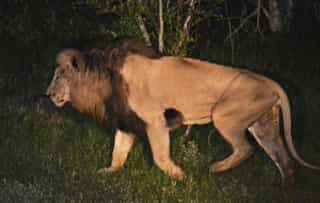 South Africa
Night Safaris in Kruger: What You Actually See After Dark
A practical guide to night drives in Kruger National Park: how the ranger-led drives from rest camps work, the nocturnal animals you can realistically expect, spotlight etiquette, and how to book one into a safari.
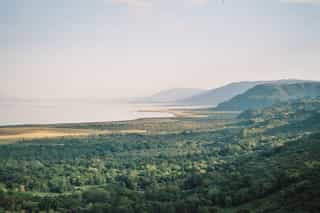 Tanzania
Lake Manyara National Park: Tree-Climbing Lions, Flamingos and the Groundwater Forest
A practical guide to Lake Manyara National Park, Tanzania: the famous tree-climbing lions, flamingo flocks on the soda lake, the groundwater forest, and how a half-day here fits a northern-circuit safari.
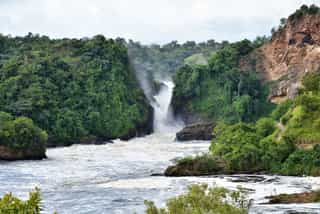 Uganda
Murchison Falls National Park: Where the Nile Explodes Through a Seven-Metre Gap
A practical guide to Murchison Falls National Park, Uganda: the boat cruise to the falls, game drives on the northern bank, the top-of-the-falls hike, Ziwa's rhinos en route, and how it fits a Uganda safari.
Enjoyed this article?
Explore more stories from our adventures around the world