
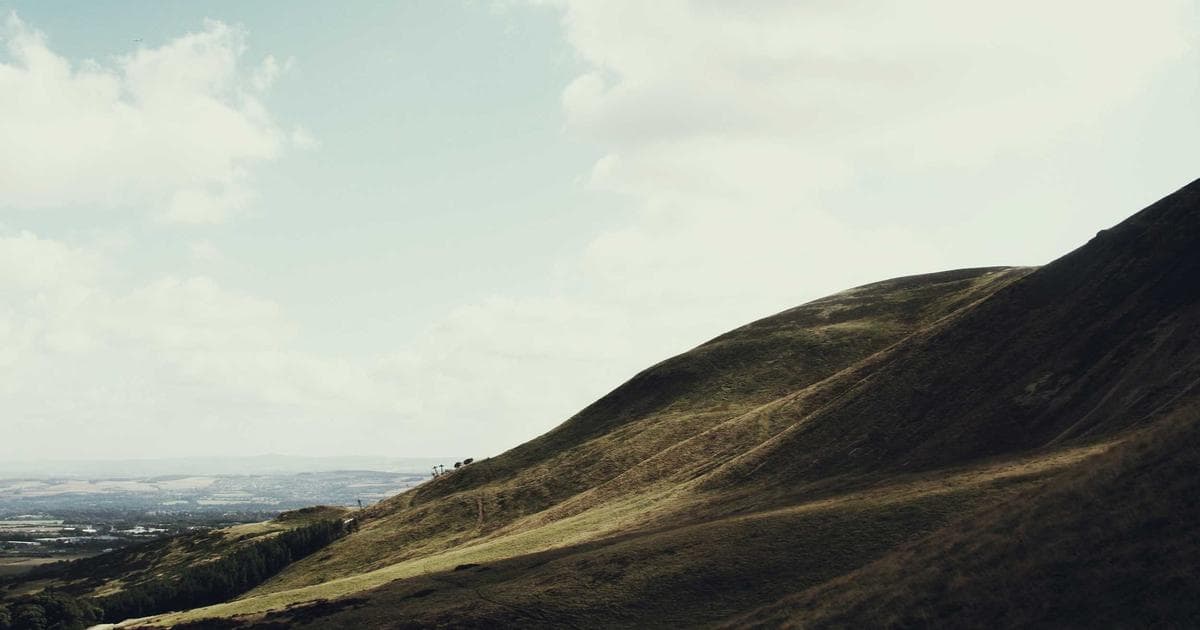
Roraima Tepui Venezuela Brazil: Ultimate Lost World Adventure Guide
Categories
Tags
Roraima Tepui Venezuela Brazil: The Ultimate Lost World Adventure Guide
Standing on the edge of Roraima's ancient plateau, watching clouds swirl around the sheer 400-meter cliffs that have isolated this prehistoric landscape for millions of years, I'm overwhelmed by the sense of having stepped into another world. This isn't just a mountain—it's a geological time capsule where unique ecosystems have evolved in complete isolation, where crystal formations create natural sculptures that seem otherworldly, and where the landscape that inspired Arthur Conan Doyle's "The Lost World" still holds secrets scientists are only beginning to understand. After 18 years studying Venezuela's tepuis (table-top mountains), I'm still discovering new wonders with every expedition, from endemic species found nowhere else on Earth to geological formations that challenge our understanding of planetary processes. Roraima Tepui represents one of South America's most extraordinary destinations—a place where time seems to have stood still.
Quick Facts at a Glance
- Location: Border of Venezuela, Brazil, and Guyana (triple border point)
- Ancient Name: Monte Roraima ("Roroi-ma" means "great blue-green" in indigenous Pemon language)
- Elevation: 2,810 meters (9,219 feet) above sea level
- Plateau Size: Approximately 31 km² (12 sq mi) on top
- Cliff Height: 400-600 meters (1,312-1,969 feet) vertical cliffs
- Geological Age: 1.8-2 billion years old (Precambrian rock)
- Formation: Sandstone plateau uplifted and isolated by erosion
- Inspiration: Direct inspiration for "The Lost World" and Disney's "Up" (Paradise Falls)
- Trek Duration: 6-8 days round trip
- Difficulty: Challenging (requires good fitness and preparation)
- Best Months: November to April (dry season)
- Access Point: Paraitepuy, Venezuela (starting point for most treks)
- Unique Species: Hundreds of endemic species found nowhere on Earth
- Crystal Formations: Natural quartz crystals and crystal pools
Why Visit Roraima Tepui?
Roraima Tepui represents one of Earth's most extraordinary geological and biological wonders—a place where ancient rock formations have created an isolated ecosystem that has evolved independently for millions of years, where the landscape looks so alien it inspired stories of prehistoric worlds, and where you can walk among geological formations and unique species that exist nowhere else on our planet. This is the inspiration for Arthur Conan Doyle's "The Lost World" (1912) and Disney Pixar's "Up" (2009), where Paradise Falls was modeled directly after Roraima's dramatic cliffs. The tepui (table-top mountain) represents one of the most challenging yet rewarding adventures in South America—a journey that takes you from tropical rainforest at the base to an otherworldly plateau at the summit, passing through ecosystems that change dramatically with altitude.
What Makes Roraima Tepui Extraordinary:
- Living Fossil Ecosystem: Species that have evolved in isolation for millions of years
- "The Lost World" Inspiration: Direct inspiration for Arthur Conan Doyle's classic novel
- Disney's Paradise Falls: Real-world inspiration for the movie "Up"
- Ancient Geology: 1.8-2 billion year old rock formations
- Endemic Species: Hundreds of species found nowhere on Earth
- Crystal Valley: Natural quartz crystal formations and crystal-clear pools
- Triple Border Point: Where Venezuela, Brazil, and Guyana meet
- Dramatic Cliffs: 400-600 meter vertical walls surrounding the plateau
- Unique Landscapes: Natural arches, valleys, and rock formations
- Scientific Importance: Ongoing research into evolution and geology
Understanding Roraima's Geological Masterpiece
The Tepui Formation
Geological History
- Age: 1.8-2 billion years old (Precambrian period)
- Origin: Ancient sandstone and quartzite formations
- Uplift: Tectonic forces raised the plateau
- Erosion: Over 100 million years of erosion created isolated tepuis
- Formation: Part of Guiana Highlands geological formation
Why Tepuis Are Unique
- Isolation: Each tepui is an island ecosystem
- Erosion Pattern: Vertical cliffs formed through differential erosion
- Weather Resistance: Harder rock resisted erosion, forming plateau
- Distribution: Approximately 100 tepuis in Guiana Highlands
- Evolutionary Isolation: Each tepui evolved independently
The Plateau Surface
Topography
- Area: Approximately 31 km² (12 sq mi)
- Character: Relatively flat with undulating hills and valleys
- Features: Natural arches, valleys, rock formations, crystal pools
- Vegetation: Adapted to harsh, windy conditions
- Water Sources: Numerous pools, rivers, and waterfalls
Natural Features
Crystal Valley (Valle del Cristal)
- Formation: Natural quartz crystal deposits
- Appearance: Crystal formations scattered across valley floor
- Color: Pink, orange, and white crystals
- Size: Some crystals up to 1 meter in diameter
- Significance: Most famous feature on Roraima
Jacuzzi Pool (Pozo Jacuzzi)
- Formation: Natural pool with waterfalls
- Temperature: Cold mountain water
- Features: Natural pool carved by water erosion
- Swimming: Possible but very cold
- Scenery: Spectacular setting with crystal formations
Valley of the Crystals (Valle de los Cristales)
- Crystal Deposits: Extensive crystal formations
- Colors: Various hues of pink and orange
- Size: Large valley area filled with crystals
- Photography: Endless opportunities for unique shots
- Scientific Interest: Studied by geologists worldwide
The Cliffs and Access
Sheer Walls
- Height: 400-600 meters vertical drop
- Formation: Steep cliffs created by erosion
- Access: Limited access points via natural ramps
- Views: Dramatic views from summit and base
- Climbing: Technical climbing possible on some sections
Natural Ramps
- Rampa de los Tepuyeros: Main access ramp from base
- Difficulty: Challenging but non-technical hiking
- Duration: 1 day ascent, 1 day descent
- Scenery: Spectacular views throughout climb
- Route: Steep but well-defined path
Unique Ecosystems and Endemic Species
Evolutionary Isolation
Evolutionary Processes
- Isolation: Millions of years of separation from lowland ecosystems
- Adaptation: Species adapted to harsh plateau conditions
- Endemism: High percentage of endemic species
- Diversity: Multiple microclimates create diverse habitats
- Conservation: Critical importance of conservation efforts
Plateau Conditions
- Climate: Cool, windy, high UV exposure
- Soil: Thin, poor-quality soil
- Water: Abundant from rainfall and natural springs
- Temperature: 10-20°C (50°F-68°F) year-round
- Weather: Can change rapidly (fog, rain, wind)
Flora Highlights
Endemic Plants
- Roraima Bush Toad: Species found only on Roraima
- Heliamphora nutans: Pitcher plant unique to tepuis
- Roraima Nightshade: Endemic plant species
- Stegolepis guianensis: Grass species adapted to plateau
- Bonnetia roraimae: Tree species found only on Roraima
Carnivorous Plants
- Heliamphora (Sun Pitchers): Iconic carnivorous plants
- Drosera (Sundews): Multiple species present
- Utricularia (Bladderworts): Aquatic carnivorous plants
- Adaptation: Nutrient-poor soil led to carnivory evolution
- Photography: Interesting macro photography opportunities
Ancient Plant Lineages
- Relict Species: Plants from ancient Gondwanan flora
- Evolution: Some species unchanged for millions of years
- Scientific Value: Important for understanding plant evolution
- Conservation: Many species are highly endangered
- Discovery: New species still being discovered
Fauna Highlights
Endemic Animals
- Roraima Bush Toad: Found only on Roraima
- Roraima Mouse: Small mammal endemic to plateau
- Tepui Lizard: Reptiles adapted to high altitude
- Unique Insects: Hundreds of endemic insect species
- Bird Species: Some endemic and specialized birds
Bird Life
- Tepui Swiftlet: Swift that nests on cliffs
- Roraima Antwren: Antbird found only on tepuis
- Various Birds of Prey: Raptors hunting around cliffs
- Hummingbirds: Several species pollinating plants
- Birdwatching: Specialized birdwatching destination
Invertebrates
- Endemic Insects: Hundreds of unique insect species
- Crickets and Grasshoppers: Unique adaptations
- Butterflies and Moths: Specialized species
- Spiders and Arachnids: Many endemic species
- Scientific Importance: Ongoing research into biodiversity
The Lost World Connection
Literary Inspiration
Arthur Conan Doyle's "The Lost World" (1912)
- Inspiration: Roraima directly inspired the novel
- Plot: Expedition discovers prehistoric creatures on isolated plateau
- Setting: Table-top mountain with ancient species
- Success: One of Doyle's most famous works
- Cultural Impact: Established "Lost World" genre
Connection to Roraima
- Geography: Directly modeled after Roraima's isolated plateau
- Biology: Speculation about prehistoric species surviving in isolation
- Exploration: Inspired early 20th century scientific expeditions
- Legacy: Continues to inspire modern adventure stories
- Tourism: Literary pilgrimage destination
Modern Cultural References
Disney Pixar's "Up" (2009)
- Paradise Falls: Directly inspired by Roraima
- Visual Design: Based on photographs of Roraima
- Story Theme: Adventure and exploration
- Cultural Impact: Brought Roraima to global attention
- Tourism Boost: Increased international interest in tepuis
Other References
- Documentaries: Multiple nature documentaries feature Roraima
- Books: Scientific and travel books about tepuis
- Media Coverage: Various articles and features in international media
- Scientific Publications: Regular research papers published
- Adventure Stories: Modern accounts of expeditions
The Roraima Expedition: Day by Day
Day 1: Santa Elena to Paraitepuy
Getting to Base
- Distance: Approximately 1.5 hours by car from Santa Elena de Uairén
- Terrain: Scenic drive through savanna and foothills
- Preparation: Final gear check and briefing
- Accommodation: Basic accommodation or camping in Paraitepuy
- Activity: Rest and preparation for early start
Day 2: Paraitepuy to Rio Tek Camp
Ascent Begins
- Distance: 13 km (8 miles)
- Duration: 6-8 hours hiking
- Terrain: River crossings, savanna, approaching cliffs
- Elevation Gain: Gradual increase to base of cliffs
- Camp: Rio Tek camp at base of cliffs
- Scenery: First views of dramatic Roraima cliffs
Day 3: Rio Tek to Summit
The Big Ascent
- Distance: 8 km (5 miles) but challenging
- Duration: 6-8 hours hiking
- Terrain: Steep ascent via natural ramp (Rampa)
- Elevation Gain: Significant climb to summit plateau
- Camp: First night on plateau
- Achievement: Reaching the summit!
Days 4-6: Exploring the Summit
Plateau Exploration
- Activities: Exploring various areas of plateau
- Crystal Valley: Visit the famous crystal formations
- Natural Pools: Swimming in crystal-clear pools
- Waterfalls: Visit various waterfalls on plateau
- Photography: Endless opportunities for unique shots
- Wildlife: Searching for endemic species
Key Summit Locations
- Punto Triple: Triple border point (Venezuela, Brazil, Guyana)
- Valle del Cristal: Famous Crystal Valley
- Pozo Jacuzzi: Natural pool with waterfalls
- Valle de los Cristales: Extended crystal valley
- Natural Arches: Various rock formations
Day 7: Summit to Rio Tek
The Descent
- Distance: 8 km (5 miles)
- Duration: 5-6 hours hiking
- Terrain: Descent via the Rampa
- Camp: Rio Tek camp
- Reflection: Last views from summit before descent
Day 8: Rio Tek to Paraitepuy to Santa Elena
Return Journey
- Distance: 13 km (8 miles) back to Paraitepuy
- Duration: 6-8 hours hiking
- Terrain: Return through savanna and river crossings
- Completion: Celebration of successful expedition
- Departure: Return to Santa Elena
Practical Information
Getting There
Access Point
- Starting Point: Paraitepuy, Venezuela
- Nearest Town: Santa Elena de Uairén (30 km/19 miles)
- Airport: Santa Elena has small airport (limited flights)
- Major Hub: Caracas (international flights, then domestic)
- Travel Time: Allow 1-2 days travel from international departure
Venezuela Access Considerations
- Political Situation: Check current travel advisories
- Permits: May be required for foreigners
- Guides: Required - must use licensed local guides
- Safety: Always check current conditions
- Documentation: Passport, permits, and insurance essential
Best Time to Visit
Dry Season (November-April)
- Weather: More stable, less rain
- Conditions: Better for trekking and camping
- Advantages: Clearer views, safer conditions
- Disadvantages: Cooler temperatures, possible crowds
- Recommendation: Best overall time for visit
Rainy Season (May-October)
- Weather: More rain, cloudy, slippery conditions
- Conditions: Challenging trekking, more difficult
- Advantages: Fewer tourists, greener landscape
- Disadvantages: Dangerous conditions, poor visibility
- Not Recommended: For most trekkers
Fitness and Preparation
Required Fitness Level
- Experience: Previous multi-day trekking experience essential
- Fitness: Excellent cardiovascular fitness required
- Preparation: Train with weighted backpack
- Endurance: Capable of 6-8 hours of hiking multiple days
- Mental: Prepared for challenging conditions
Training Recommendations
- Cardio: Running, cycling, or swimming for endurance
- Strength: Leg strength crucial for steep ascents/descents
- Hiking Practice: Practice with fully loaded backpack
- Altitude: Although not extreme altitude, fitness still important
- Mental: Prepare for challenging and remote conditions
Equipment and Gear
Essential Equipment
Backpack and Sleeping
- Backpack: 60-70L capacity for multi-day trek
- Sleeping Bag: Rated to -5°C (23°F) or lower
- Sleeping Mat: Insulated sleeping pad required
- Tent: Lightweight, waterproof tent (some campsites have shelters)
Clothing System
- Base Layer: Quick-drying synthetic or merino wool
- Mid Layer: Fleece or synthetic pullover
- Outer Layer: Waterproof and windproof jacket
- Rain Gear: Waterproof pants and jacket essential
- Warmth: Warm hat and gloves (temperatures drop)
- Footwear: Sturdy, waterproof hiking boots
Safety and Navigation
- First Aid Kit: Comprehensive kit with blister care
- Navigation: Guide essential, but map and compass backup
- Emergency Equipment: Bivvy blanket or space blanket
- Headlamp: With spare batteries
- Sun Protection: High UV at altitude
Other Essentials
- Water Treatment: Filters or purification tablets
- Stove: Lightweight camping stove
- Food: 6-8 days of lightweight, high-energy meals
- Cookware: Pot, mug, spoon
- Personal Items: Toiletries, medications
- Camera: Capture unique landscapes
Guide Requirements
Licensed Guides
- Mandatory: All treks must be with licensed local guide
- Porters: Optional but recommended for support
- Pemon Guides: Indigenous Pemon people as guides
- Experience: Guides have extensive local knowledge
- Safety: Guides understand plateau conditions
What Guides Provide
- Navigation: Knowledge of safe routes on summit
- Safety: Understand plateau hazards and weather patterns
- Cultural: Share knowledge about Pemon culture and beliefs
- Logistics: Handle camp setup, food preparation
- Emergency: Trained in wilderness first aid
Accommodation and Camping
Camping on Tepui
- Campsites: Designated campsites on summit
- Shelters: Some natural shelters available
- Water: Available from pools and springs (must treat)
- Toilet: No facilities - practice proper wilderness hygiene
- Weather Protection: Prepare for strong winds and rain
Base Camps
- Paraitepuy: Basic accommodation before trek
- Rio Tek: Camp at base of cliffs
- Summit Camps: Various campsites on plateau
Health and Safety
Health Considerations
- Altitude: Not extreme, but affects some people
- Hydration: Critical in challenging conditions
- Food Safety: Practice good food handling
- Water Treatment: All water must be treated
- Sun Protection: High UV exposure at altitude
Safety Equipment
- First Aid: Comprehensive first aid kit
- Communication: Limited communication options
- Emergency Plan: Know evacuation procedures
- Weather Monitoring: Watch weather conditions closely
- Group Safety: Never travel alone
Emergency Considerations
- Evacuation: Challenging and time-consuming
- Communication: Very limited options on summit
- Medical Help: Far from advanced medical facilities
- Insurance: Comprehensive travel insurance essential
- Prevention: Prevention is key - avoid emergencies
Weather and Climate
Summit Conditions
- Temperature: 10-20°C (50°F-68°F) year-round
- Wind: Strong winds common, especially at edges
- Rain: Can occur year-round, especially in afternoon
- Fog: Frequent fog reduces visibility
- Weather: Can change rapidly throughout day
Seasonal Variations
- Dry Season: More stable weather, better conditions
- Rainy Season: More rain, slippery conditions, poor visibility
- Temperature: Generally consistent year-round
- Wind: Strongest during dry season
- Preparation: Prepare for variable conditions
Photography Tips
Best Locations
- Crystal Valley: Unique crystal formations
- Cliff Edges: Dramatic views down vertical walls
- Natural Pools: Crystal-clear water reflections
- Punto Triple: Triple border point
- Various Rock Formations: Unique geological features
Best Times
- Sunrise/Sunset: Golden light on plateau
- Morning: Often clearer before afternoon fog
- Cloud Conditions: Dramatic cloud formations around cliffs
- Clear Days: Best visibility of surrounding landscapes
- Weather: Wait for breaks in weather
Technical Considerations
- Equipment: Wide-angle lens for landscapes
- Tripod: Essential for sharp images and long exposures
- Protection: Protect equipment from rain and moisture
- Batteries: Cold conditions reduce battery life
- Filters: Polarizing filter for reflections and sky
Cultural Considerations
Pemon Indigenous People
- Traditional Owners: Pemon people consider Roraima sacred
- Respect: Respect cultural beliefs and customs
- Mythology: Roraima features in Pemon mythology
- Guides: Many guides are Pemon people
- Connection: Spiritual significance of the tepui
Cultural Respect
- Permission: Pemon believe in spiritual beings on the summit
- Behavior: Respectful behavior on the sacred mountain
- Photography: Ask permission to photograph guides or local people
- Artifacts: Do not remove any items from the summit
- Leave No Trace: Respect the sacred natural environment
Environmental Responsibility
Leave No Trace Principles
- Pack It Out: Take all waste with you
- Camp on Durable Surfaces: Protect fragile vegetation
- Leave What You Find: Don't take crystals or other items
- Minimize Impact: Respect fragile ecosystem
- Fire Safety: No open fires on summit
Conservation Importance
- Fragile Ecosystem: Plateau ecosystem highly vulnerable
- Endemic Species: Many species are endangered
- Scientific Value: Important site for ongoing research
- Future Generations: Preserve for future study and visitation
- Responsible Tourism: Minimize impact through responsible practices
Budget Considerations
Estimated Costs
- Guide Fees: $500-$1,000 (depending on group size)
- Porters: $200-$500 (if used)
- Equipment Rental: $100-$300 (if needed)
- Transportation: $200-$500 (to Santa Elena and Paraitepuy)
- Permits and Fees: $100-$200
- Food: $50-$100 (6-8 days of food)
- Total: $1,200-$2,500 per person
Money-Saving Tips
- Group Size: Larger groups reduce per-person guide costs
- Porters: Carry your own gear to reduce costs
- Equipment: Bring your own equipment
- Food: Prepare your own food
- Season: Travel in shoulder season for better rates
Conservation and Scientific Research
Conservation Challenges
Environmental Threats
- Climate Change: Affects weather patterns and ecosystems
- Tourism Impact: Growing visitor numbers affecting fragile ecosystem
- Invasive Species: Potential for invasive species introduction
- Research Impact: Scientific studies must be carefully managed
- Protection: Balancing access with conservation
Conservation Efforts
- Protected Status: Part of Canaima National Park (Venezuela side)
- UNESCO Tentative List: Consideration for World Heritage status
- Research Restrictions: Scientific permits required
- Visitor Limits: Attempting to control visitor numbers
- Education: Educating visitors about conservation importance
Scientific Research
Ongoing Research
- Biology: Discovery of new species continues
- Geology: Understanding ancient rock formations
- Climate Studies: Weather and climate patterns on summit
- Evolution: Studying evolution in isolated ecosystems
- Conservation: Researching conservation strategies
Research Contributions
- New Species: Regular discovery of previously unknown species
- Evolutionary Insights: Understanding speciation and adaptation
- Climate Data: Long-term climate monitoring
- Geological Understanding: Insights into Earth's geological history
- Conservation Science: Developing conservation strategies
Conclusion: A Journey to Earth's Other World
Roraima Tepui represents one of Earth's most extraordinary destinations—a place where geological time, biological evolution, and human imagination converge to create an experience that challenges our understanding of what's possible on our planet. From the moment you first glimpse the dramatic cliffs rising from Venezuelan savanna, to the challenging ascent that takes you from tropical rainforest to a prehistoric plateau, from walking among crystal formations that seem sculpted by the gods to discovering species that exist nowhere else on Earth, Roraima provides an adventure that is as intellectually profound as it is physically rewarding.
This is the mountain that inspired stories of lost worlds and prehistoric creatures—a place so unique and otherworldly that it captured the imagination of Arthur Conan Doyle and inspired the animators of Pixar. But beyond its cultural significance, Roraima represents a biological and geological treasure of incalculable value—a living laboratory where evolution has created species found nowhere else, where ancient rocks tell stories of Earth's deep time, and where fragile ecosystems have survived in isolation for millions of years.
As you stand on the summit of Roraima, watching clouds swirl around the edges of this ancient plateau, looking at crystal formations that sparkle in the sunlight, and listening to the wind that has shaped these rocks for countless millennia, you'll understand why this place inspires such wonder and reverence. This isn't just a hike—it's a journey through time, a pilgrimage to one of Earth's most special places, and an opportunity to experience a world that exists nowhere else on our planet.
Welcome to Roraima—the mountain of the great blue-green, the lost world that still exists, and the plateau where time seems to have stood still. Welcome to one of Earth's most extraordinary destinations.
Adventure Knit Editorial
Destination research compiled and fact-checked by the Adventure Knit editorial team from published sources, operator itineraries, and official tourism boards. Spot something out of date? Tell us at hello@adventureknit.com.
Related Stories
 Montenegro
Montenegro Travel Guide: Bay of Kotor & Durmitor
Complete Montenegro travel guide covering the Bay of Kotor, the walled towns of Budva and Kotor, Durmitor National Park, the Adriatic coast and the northern mountains.
 Romania
Transylvania & the Carpathians: Romania Adventure Guide
Complete Romania travel guide covering Transylvania, Bran and Peleș castles, the Carpathian mountains, painted monasteries of Bucovina and the Danube Delta.
 Taiwan
Taiwan Adventure Guide: Taroko Gorge & the East Coast
Complete Taiwan travel guide covering Taipei, Taroko Gorge, the east coast, Kenting, Sun Moon Lake, Alishan and Tainan, with itinerary, night-market food and tips.
Enjoyed this article?
Explore more stories from our adventures around the world