
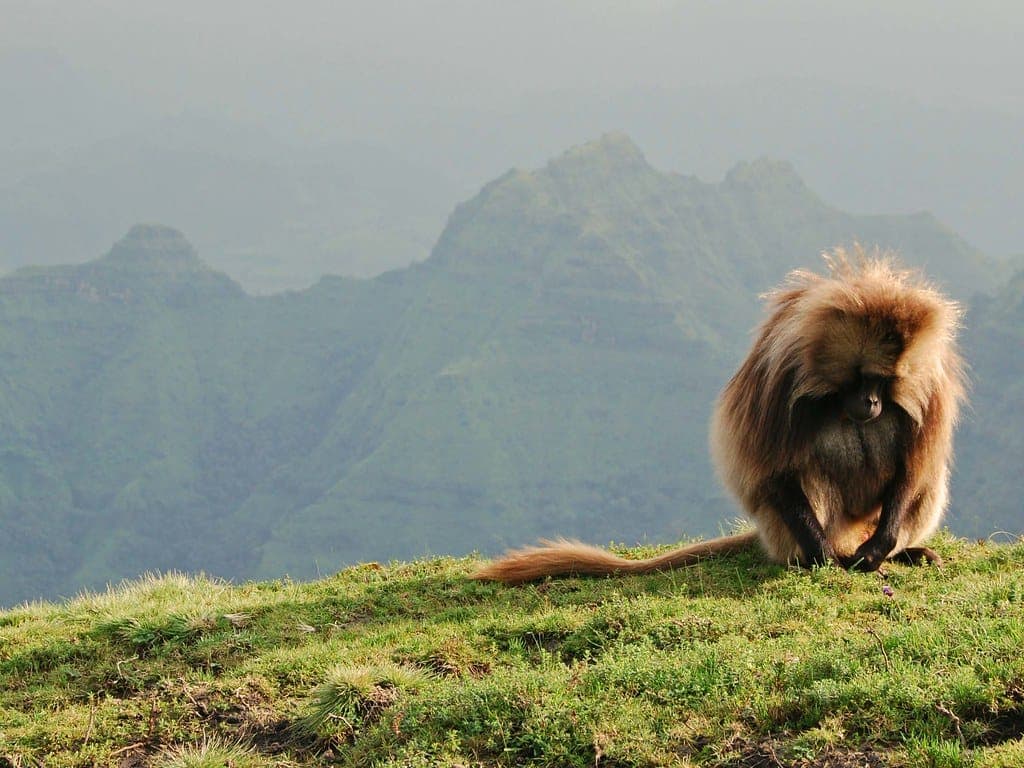
Simien Mountains Ethiopia: Ultimate Highlands Trekking Guide
Categories
Tags
The Simien Mountains in northern Ethiopia are a UNESCO World Heritage Site offering challenging high-altitude trekking to Ras Dashen, at 4,543 meters the highest peak in the park and reachable without technical climbing. The best time to trek is the dry season from September to March, with most itineraries lasting 5 to 10 days. Guided treks average $1,500 to $3,500 per person, and park regulations require every group to hire a licensed scout or guide. The mountains shelter endemic wildlife including Gelada baboons, Walia ibex, and Ethiopian wolves.
Simien Mountains Ethiopia: The Ultimate Highlands Trekking Guide
Standing atop Ras Dashen at 4,543 meters, watching sunrise paint the Ethiopian highlands in shades of gold and orange, I realize I'm standing on the roof of Africa. The jagged peaks of the Simien Mountains stretch below me, home to species found nowhere else on Earth, and the source of the Blue Nile winds through these ancient highlands. After 16 years trekking through these UNESCO World Heritage landscapes, I'm still humbled by their beauty and biodiversity. The Simien Mountains offer Ethiopia's most spectacular trekking experience—a journey through geological wonders, unique wildlife, and ancient highland cultures.
Quick Facts at a Glance
- Location: Northern Ethiopia, Amhara Regional State
- Park Size: 220 km² (85 sq mi) UNESCO World Heritage Site
- Highest Peak: Ras Dashen (4,543m / 14,905ft)
- Other Peaks: Buahit (4,430m), Silki (4,420m), Kidus Yared (4,453m)
- Duration: 5-10 days recommended for comprehensive experience
- Difficulty: Challenging (altitude, steep terrain, remote)
- Best Months: September-March (dry season)
- Average Cost: $1,500-$3,500 per person
- Temperature: 10°C-20°C (50°F-68°F) during day, -5°C-5°C (23°F-41°F) at night
- Unique Wildlife: Gelada baboons, Walia ibex, Ethiopian wolves, lammergeyers
- UNESCO Status: World Heritage Site since 1978
Why Trek the Simien Mountains?
The Simien Mountains represent one of Africa's most spectacular trekking destinations—a UNESCO World Heritage Site where dramatic geological formations, unique endemic wildlife, and ancient highland cultures converge. These mountains are the source of the Blue Nile, home to species found nowhere else, and offer some of the continent's most accessible high-altitude trekking.
What Makes Simien Mountains Extraordinary:
- UNESCO World Heritage: One of Africa's first natural World Heritage Sites
- Unique Wildlife: Gelada baboons (endemic), Walia ibex, Ethiopian wolves
- Dramatic Landscapes: Jagged peaks, deep valleys, volcanic formations
- Blue Nile Source: Waters that eventually flow to the Mediterranean
- Accessible High Altitude: Trek to 4,500m without technical climbing
- Cultural Richness: Ancient highland communities, Orthodox Christian heritage
- Unique Ecosystem: Afro-alpine vegetation found nowhere else
Understanding Simien's Unique Ecosystem
The Afro-Alpine Environment
The Simien Mountains support a unique Afro-alpine ecosystem that's found nowhere else on Earth. This ecosystem has evolved in isolation on the Ethiopian Plateau, creating species found only in these mountains.
Vegetation Zones
- Montane Forests (3,000-3,500m): Giant heathers, St. John's wort
- Ericaceous Belt (3,500-4,000m): Giant lobelias, tree heathers
- Alpine Grasslands (4,000m+): Grasses, herbs, Afro-alpine plants
- Rocky Outcrops: Lichens, mosses, specialized plants
Endemic Wildlife
Gelada Baboons
- Scientific Name: Theropithecus gelada
- Population: ~4,000-5,000 individuals
- Uniqueness: Found only in Simien Mountains
- Behavior: Social, diurnal, grassland specialists
- Appearance: Red chest patch, distinctive call
- Best Viewing: Chenek Camp, Gich Camp, anytime in highlands
Walai Ibex
- Scientific Name: Capra walie
- Population: ~1,200 individuals
- Uniqueness: Found only in Simien Mountains
- Behavior: Excellent climbers, agile on steep cliffs
- Appearance: Distinctive horns, reddish-brown coat
- Best Viewing: Ras Dashen area, cliffs throughout park
- Status: Vulnerable
Ethiopian Wolf
- Scientific Name: Canis simensis
- Population: ~50-100 individuals
- Uniqueness: Endemic to Ethiopian highlands
- Behavior: Solitary hunters, pack animals
- Appearance: Reddish coat, smaller than grey wolves
- Best Viewing: Rare, early morning or late afternoon
- Status: Critically endangered
Lammergeyer
- Scientific Name: Lammergeornis nipalensis
- Population: ~50 individuals
- Uniqueness: Endemic to Ethiopian highlands
- Behavior: Scavenger, territorial
- Appearance: Huge beak, distinctive call
- Best Viewing: Throughout park, carrion
- Status: Endangered
Perfect 8-Day Simien Mountains Trekking Itinerary
Day 1: Arrival & Gondar Exploration
Morning: Arrival in Gondar
- Fly into Bahir Dar Airport (BJR) from Addis Ababa (1 hour)
- Transfer to Gondar town (1 hour drive)
- Check into hotel or guesthouse
- Rest and recover from travel
Afternoon: Park Orientation & Short Walk
- Visit Simien Mountains National Park headquarters
- Meet your guide and scout
- Review trekking permits and safety procedures
- Equipment check and rental if needed
- Orientation about park regulations and wildlife
- Short acclimatization walk around Gondar area
- Introduction to Simien's landscapes and vegetation
Evening: Welcome Dinner & Briefing
- Traditional Ethiopian dinner (injera, tibs, shiro)
- Trekking itinerary review
- Weather forecast discussion
- Safety procedures and wildlife viewing guidelines
- Early night to prepare for tomorrow's trek
Stay: Gondar hotel/guesthouse Highlight: First views of Simien's dramatic landscapes
Day 2: Gondar to Sankaber Camp
Morning: Trek Begins
- Early breakfast (6:30 AM)
- Departure from park headquarters
- Begin trekking toward Sankaber (3,200m)
- Duration: 3-4 hours trekking
- Initial climb to ridge with views
- First Gelada baboon sightings
- Introduction to Afro-alpine vegetation
Mid-Morning: Arrive at Sankaber Camp
- Camp altitude: 3,200m
- Check into camp (basic mountain huts or camping)
- Rest and acclimatize
- Lunch at camp
Afternoon: Acclimatization Hike
- Short acclimatization hike to higher ground (3,400m)
- Explore surrounding area
- More Gelada baboon encounters
- Walia ibex spotting
- Photography opportunities
- Return to camp
Evening: Dinner & Rest
- Hot dinner prepared by camp staff
- Early rest to prepare for tomorrow
- Stargazing (if clear skies)
Stay: Sankaber Camp (basic hut or camping) Highlight: First day on the trail, wildlife encounters
Day 3: Sankaber to Gich Camp via Bwahit Pass
Early Morning: Summit Attempt
- Wake up at 4:30 AM
- Early breakfast
- Begin climb to Bwahit Pass (4,200m)
- Duration: 2-3 hours to pass
- Spectacular sunrise views
- First view of Simien's main peaks
- Walia ibex sightings on cliffs
Morning: Bwahit Pass to Chenek Camp
- Descend from pass to Chenek Camp (3,600m)
- Duration: 2 hours trekking
- Chenek Camp area exploration
- Large Gelada baboon colony
- Excellent photography opportunities
- Rest and lunch at Chenek
Afternoon: Continue to Gich Camp
- Trek from Chenek to Gich Camp (3,680m)
- Duration: 2-3 hours
- Different perspectives on peaks
- More wildlife encounters
- Arrive at Gich Camp
- Check into camp
Evening: Sunset & Rest
- Watch sunset over dramatic peaks
- Dinner at camp
- Early rest (critical for tomorrow's summit day)
Stay: Gich Camp (basic hut or camping) Highlight: First views from main peak areas
Day 4: Gich to Ras Dashen Summit & Return
Very Early Morning: Summit Attempt
- Wake up at 3:00 AM (extremely early!)
- Light breakfast
- Begin climb to Ras Dashen summit (4,543m)
- Duration: 4-5 hours to summit
- Challenging climb on steep terrain
- Spectacular sunrise views from summit
- 360-degree panorama of Ethiopian highlands
- Views of Ras Dejen (4,543m) and Buahit (4,430m)
Summit Experience
- Celebrate reaching Ethiopia's 4th highest peak
- Take photos at summit
- Enjoy the views (30 minutes at top)
- Rest and recover
- Descend toward camp (2 hours)
Afternoon: Return to Gich Camp
- Complete descent back to Gich Camp
- Rest and recover from summit
- Late lunch at camp
- Afternoon rest and relaxation
Evening: Recovery Dinner
- Celebratory dinner
- Share summit experiences
- Review photos from the day
- Early sleep for recovery
Stay: Gich Camp (second night) Highlight: Summiting Ethiopia's fourth highest peak!
Day 5: Gich to Ambiko via Bwahit Pass
Morning: Explore Gich Area
- Leisurely morning (recovery from summit)
- Explore Gich area and surroundings
- Photography opportunities in morning light
- Gelada baboon encounters near camp
Mid-Morning: Trek to Ambiko
- Depart Gich toward Ambiko (3,800m)
- Duration: 3-4 hours trekking
- Different route over Bwahit Pass area
- More Walia ibex sightings
- Dramatic landscapes
- Arrive at Ambiko Camp
Afternoon: Ambiko Area Exploration
- Explore Ambiko area
- Wildlife spotting
- Visit Afro-alpine vegetation zones
- Photography opportunities
- Relaxation at camp
Evening: Dinner & Rest
- Dinner at camp
- Early night
- Prepare for tomorrow's trek
Stay: Ambiko Camp (basic hut or camping) Highlight: Less crowded camp area
Day 6: Ambiko to Sonah Camp via Meseha Valley
Morning: Descent into Meseha Valley
- Depart Ambiko early morning
- Begin descent into Meseha Valley (2,800m)
- Duration: 3-4 hours
- Different landscapes and vegetation
- More wildlife encounters
- Dramatic valley views
- Visit water sources
Mid-Morning: Meseha Valley Exploration
- Explore Meseha Valley area
- Wildlife spotting (antelope, birds)
- Visit Afro-alpine vegetation
- Photography opportunities
- Rest and lunch
Afternoon: Continue to Sonah
- Trek from valley to Sonah Camp (3,200m)
- Duration: 2-3 hours
- Begin ascent back to higher altitude
- Arrive at Sonah Camp
- Check into camp
Evening: Dinner & Rest
- Dinner at camp
- Early night
- Prepare for tomorrow's trek
Stay: Sonah Camp (basic hut or camping) Highlight: Valley exploration experience
Day 7: Sonah to Gondar via Sankaber
Morning: Final Trekking Day
- Depart Sonah early morning
- Trek toward Sankaber (3,200m)
- Duration: 3-4 hours
- Final wildlife sightings
- More Gelada baboon encounters
- Different perspectives on peaks
- Arrive at Sankaber
Mid-Morning: Continue to Gondar
- Trek from Sankaber to park headquarters
- Duration: 2-3 hours
- Final views of Simien Mountains
- Return to civilization
- Check out of park
Afternoon: Return to Gondar
- Transfer to hotel/guesthouse
- Shower and rest
- Clean up after trek
- Relaxation time
- Souvenir shopping in Gondar
**Evening: Celebration Dinner
- Farewell dinner in Gondar
- Share trekking experiences
- Review photos
- Certificate presentation (if organized)
- Prepare for departure
Stay: Gondar hotel/guesthouse Highlight: Completion of Simien Mountains trek!
Day 8: Departure Day
Morning: Final Gondar Explorations
- Optional short walk around Gondar
- Final views of Simien Mountains
- Visit local market
- Final souvenir purchases
Mid-Morning: Transfer to Airport
- Transfer to Bahir Dar Airport
- Final Ethiopian coffee
- Check-in for flight
Afternoon: Departure
- Flight out to Addis Ababa or connection to next destination
- Memories of Simien Mountains adventure complete!
Achievement: Trekked through Ethiopia's most spectacular highlands!
Simien's Top Trekking Experiences
Ras Dashen Summit
The Summit Experience
- Ethiopia's fourth highest peak (4,543m)
- 360-degree panorama of Ethiopian highlands
- Views of other Simien peaks
- Sunrise from summit is spectacular
- Achievable without technical climbing
Best Time for Summit
- Early morning (arrive 6-7 AM for sunrise)
- Clear weather essential
- Check weather forecast day before
- Be prepared for cold and wind
Photography Tips
- Wide-angle lens for panorama
- Sunrise/sunset times best
- Include fellow trekkers for scale
- Be prepared for cold hands
Gelada Baboon Encounters
Where to See Them
- Chenek Camp: Large colony
- Gich Camp area: Throughout highlands
- Sankaber area: Small groups
- Throughout park: On grasslands
Best Viewing
- Early morning and late afternoon
- They're most active during feeding times
- Quiet observation recommended
- Maintain distance (they're wild animals)
Photography Tips
- Use telephoto lens (200-400mm)
- Be patient and wait for behavior
- Capture social interactions
- Respect their space
Walia Ibex Sightings
Where to See Them
- Ras Dashen cliffs: Often near summit
- Bwahit Pass area: On steep cliffs
- Throughout park: On rocky outcrops
- Early morning and late afternoon: Most active
Best Viewing
- Early morning: On cliffs catching sun
- Late afternoon: On grazing areas
- Bring binoculars
- Scan rocky outcrops
Photography Tips
- Use telephoto lens (300-400mm)
- Be patient (they're wild)
- Capture climbing behavior
- Early morning light best
Getting to Simien Mountains
Flight Options
International Arrival
- Addis Ababa Bole International Airport (ADD): Main hub
- Bahir Dar Airport (BJR): Domestic flight closest to Simien (1 hour from ADD)
- Major airlines: Ethiopian Airlines, EgyptAir, Turkish Airlines, Emirates
Domestic Flight
- Addis Ababa to Bahir Dar (1 hour)
- Ethiopian Airlines operates multiple daily flights
- Cost: $100-$200 one way
Recommendation
- Arrive Addis Ababa day before domestic flight
- Ethiopian Airlines reliable
- Book domestic flight in advance during peak seasons
Road Transport
From Bahir Dar
- Distance: 100 km (62 miles) to Gondar
- Duration: 1.5-2 hours
- Road Condition: Mostly good, some sections rough
- Scenery: Beautiful Ethiopian highlands
- Transport: Private 4WD or shuttle
From Addis Ababa
- Distance: 500 km (310 miles) to Gondar
- Duration: 7-8 hours
- Road Condition: Good highway to Debarkar, then rough
- Scenery: Varied landscapes through Ethiopia
- Recommendation: Better to fly to Bahir Dar
Park Entry
Simien Mountains National Park Headquarters
- Location: Debarkar (40 km from Bahir Dar)
- Permits: Required and available at headquarters
- Scout Required: Must hire licensed scout/guide
- Entry Fees: Conservation fees apply
- Registration: Required before entering park
Simien Weather & Seasonal Guide
Dry Season (September-March)
Conditions
- Temperature: 10°C-20°C (50°F-68°F) day
- Temperature: -5°C-5°C (23°F-41°F) night
- Rainfall: Minimal, clear skies
- Visibility: Excellent
- Wildlife: Animals concentrate near water
- Trekking: Best conditions, dry trails
Best For
- Trekking and summit attempts
- Photography
- Wildlife viewing
- Overall experience
Crowds
- Peak season: October-January
- Book ahead for accommodations and guides
Wet Season (April-August)
Conditions
- Temperature: 12°C-22°C (54°F-72°F) day
- Temperature: 0°C-10°C (32°F-50°F) night
- Rainfall: Regular, especially April and May
- Visibility: Variable, foggy conditions
- Wildlife: More dispersed
- Trekking: Challenging, muddy trails
Best For
- Fewer tourists
- Green landscapes
- Photography (dramatic skies)
Crowds
- Lowest numbers
- Better availability
Monthly Breakdown
September
- Transition to dry season
- Good conditions returning
- Fewer tourists
- Book 2-3 months ahead
October
- Peak dry season beginning
- Excellent conditions
- Increasing popularity
- Book 3-4 months ahead
November
- Peak dry season
- Excellent conditions
- High demand
- Book 4-5 months ahead
December
- Peak dry season
- Excellent conditions
- Highest demand
- Book 5-6 months ahead
January
- Peak dry season
- Excellent conditions
- High demand
- Book 4-5 months ahead
February
- Peak dry season
- Excellent conditions
- Still high demand
- Book 3-4 months ahead
March
- End of dry season
- Good conditions
- Decreasing demand
- Book 2-3 months ahead
April
- Beginning of wet season
- Some rain
- Fewer tourists
- Book 2-3 months ahead
May-July
- Wet season peak
- Most rainfall
- Muddy trails
- Lowest tourist numbers
- Good for those seeking solitude
August
- Wet season ending
- Conditions improving
- Still good value
- Book 2-3 months ahead
Essential Packing List for Simien
Clothing Layers
Base Layer
- Thermal tops: 3-4 (merino wool or synthetic)
- Thermal bottoms: 2 (merino wool or synthetic)
- Underwear: 7-10 pairs moisture-wicking
- Socks: 4-6 pairs merino wool
Mid Layer
- Fleece jacket: 1-2 (lightweight and midweight)
- Fleece pants: 1-2
- Sweater: 1 (optional)
Outer Layer
- Waterproof jacket: Essential (Gore-Tex or similar)
- Waterproof pants: Essential (Gore-Tex or similar)
- Down jacket: Essential for nights and cold mornings
Extremities
- Warm hat: Covering ears
- Balaclava or buff: Essential
- Waterproof gloves: 2 pairs (one thin, one thick)
- Sun hat: For lower altitude sections
Footwear
- Waterproof hiking boots: Well-broken in, good grip
- Camp shoes/sandals: For evenings
- Socks: 5-7 pairs (merino wool)
Equipment
Trekking Gear
- Sleeping bag: Rated -5°C to -10°C minimum
- Sleeping pad: Insulating mat
- Daypack: 30-40L
- Trekking poles: Essential for steep terrain
- Headlamp: Plus extra batteries
- Water bottles: 2 (1 liter each)
Personal Items
- Sunscreen: High SPF
- Lip balm with SPF
- Sunglasses: Polarized
- Insect repellent: For lower altitude sections
- Personal medications: Adequate supply
- First aid kit: Basic supplies
Photography
Camera
- Camera body: DSLR or mirrorless preferred
- Extra batteries: 3-4 (cold drains them)
- Memory cards: 2-3 (64GB+ each)
- Lens cleaning kit: Dust and moisture
- Camera rain cover: Essential
Lenses
- Wide-angle: 16-35mm (landscapes)
- Standard: 24-70mm (versatile)
- Telephoto: 70-200mm+ (wildlife)
- Prime: 100-400mm (optional, for serious photographers)
Choosing Your Simien Experience
Trekking Options
Guide Required
- Why: Park regulations require licensed scout/guide
- Cost: $30-$50 per day per group
- Availability: Park headquarters provides
- Benefit: Local knowledge, safety, wildlife spotting
- Recommendation: Hire local scout for authenticity
Self-Guided Option
- Why: More freedom, set own pace
- Considerations: Still must hire scout at headquarters
- Cost: Scout fee required regardless
- Challenges: Navigation, wildlife identification
- Best For: Experienced trekkers
Porter Options
- Why: Carry heavy gear, make trekking easier
- Cost: $15-$25 per day per porter
- Availability: Available from park headquarters
- Benefit: Enjoy trekking more, support local community
- Recommendation: Hire porters for comfort and to support locals
Accommodation Styles
Mountain Huts
- Description: Basic huts at campsites
- Facilities: Bunk beds or platforms, shared facilities
- Cost: Included in park permit
- Best For: Budget-conscious trekkers
- Availability: Limited capacity, reserve in advance
Camping
- Description: Tent camping at campsites
- Facilities: Campsite with basic facilities
- Cost: Additional camping fee
- Best For: Flexibility, authentic experience
- Equipment: Must bring own tent
Combination
- Description: Mix of huts and camping
- Flexibility: Choose based on availability
- Best For: Flexibility and variety
Trekking Itinerary Options
8-Day Classic Trek
- Description: Complete circuit visiting main peaks and areas
- Duration: 8 days
- Camps: Sankaber, Chenek, Gich, Ambiko, Sonah, etc.
- Summits: Ras Dashen, possibly Buahit or Kidus Yared
- Best For: First-time visitors, comprehensive experience
5-Day Highlights Trek
- Description: Focus on main highlights and peaks
- Duration: 5 days
- Camps: Gich, Chenek, maybe Sankaber
- Summits: Ras Dashen (primary focus)
- Best For: Those with limited time, focused experience
10-Day Extended Trek
- Description: Extended exploration including outer areas
- Duration: 10 days
- Camps: All major campsites plus outer areas
- Summits: Multiple peaks
- Best For: Serious trekkers, photographers
Altitude Considerations
Understanding Altitude
Altitude Profile
- Gondar: ~2,800m (9,186ft)
- Campsites: 3,200m-4,000m (10,496-13,123ft)
- Ras Dashen Summit: 4,543m (14,905ft)
- Time at Altitude: 5-8 days above 3,000m
Altitude Risks
- AMS (Acute Mountain Sickness): Can affect anyone
- Symptoms: Headache, nausea, fatigue, dizziness
- Prevention: Acclimatize properly, stay hydrated
Acclimatization Strategy
"Climb High, Sleep Low"
- Day 1: Gondar to Sankaber (3,200m)
- Day 2: Sankaber to Gich via Bwahit Pass (4,200m)
- Day 3: Gich acclimatization day (climb high, return low)
- Day 4: Summit attempt (4,543m) then descent
- Day 5-7: Gradual descent
Key Principles
- Pace Yourself: Go slowly, rest when needed
- Stay Hydrated: 3-4 liters daily
- Eat Regularly: Even if not hungry
- Monitor Symptoms: Watch for AMS signs
- Descend if Severe: Don't push through serious symptoms
Simien Photography Guide
Best Photography Opportunities
Landscapes
- Ras Dashen Summit: 360-degree panorama
- Bwahit Pass: Dramatic pass views
- Meseha Valley: Deep valley with dramatic peaks
- Sunrise/Sunset: Golden light on peaks
- Silhouettes: Dramatic against sky
Wildlife
- Gelada Baboons: Social interactions, portraits
- Walia Ibex: On cliffs, climbing behavior
- Ethiopian Wolves: Rare encounters, portraits
- Lammergeyers: Carrion feeding behavior
- Birds: Raptors, songbirds, waterbirds
Cultural
- Highland Communities: Traditional life
- Orthodox Christianity: Churches and monasteries
- Farmers and Herders: Traditional livelihoods
- Landscape with People: Include for scale
Best Locations
Ras Dashen Summit
- Best Times: Sunrise (arrive 6-7 AM), sunset (leave 5-6 PM)
- Subjects: 360-degree panorama, fellow trekkers
- Challenges: Cold, wind, low light conditions
Bwahit Pass
- Best Times: Mid-morning light, late afternoon
- Subjects: Dramatic pass views, wildlife on cliffs
- Challenges: Variable light, weather dependent
Chenek Camp Area
- Best Times: Early morning and late afternoon
- Subjects: Gelada baboons, landscapes
- Challenges: Harsh light midday, distance to wildlife
Gich Camp Area
- Best Times: Early morning and late afternoon
- Subjects: Peaks, wildlife, landscapes
- Challenges: Similar to Chenek
Camera Settings
Landscapes
Mode: Aperture Priority
Aperture: f/8-f/16 for depth of field
Shutter: Tripod recommended
ISO: 100-400 for best quality
Focus: Manual focus for precision
Wildlife
Mode: Shutter Priority
Shutter: 1/500+ for moving subjects
Aperture: f/4-f/5.6 for subject isolation
ISO: Auto, max 3200
Focus: Continuous autofocus
Burst: High-speed continuous
Low Light (Dawn/Dusk)
Mode: Shutter or Aperture Priority
Shutter: 1/250+ minimum (wider aperture)
Aperture: f/2.8-f/4 if possible
ISO: Higher needed, up to 6400
Focus: Single-point or manual
Budget Breakdown: Simien Trek
8-Day Guided Trek ($1,500-$2,500)
Included
- Park permits and fees
- Scout/guide services (8 days)
- Accommodation (basic huts or camping)
- All meals during trek
- Equipment rental (if needed)
- Park registration
Not Included
- International flights to Addis Ababa: $600-$1,200
- Domestic flights to Bahir Dar: $100-$200
- Transport to/from Gondar: $30-$50
- Tips for guide and scout: $80-$150
- Personal expenses
- Travel insurance: $50-$100
Total: $2,000-$3,000+
5-Day Guided Trek ($1,000-$1,500)
Included
- Park permits and fees
- Scout/guide services (5 days)
- Accommodation (basic huts or camping)
- All meals during trek
Not Included
- International flights to Addis Ababa: $600-$1,200
- Domestic flights to Bahir Dar: $100-$200
- Transport to/from Gondar: $30-$50
- Tips for guide and scout: $50-$80
- Personal expenses
- Travel insurance: $50-$100
Total: $1,500-$2,200+
Cost-Saving Tips
- Travel Off-Peak Season: May-July (wet season, fewer tourists)
- Self-Carry: Bring your own gear to reduce rental costs
- Share Guide Cost: Join larger groups
- Camping Option: Choose camping over huts
- Book Direct: Contact park headquarters directly
- Combine with Other Treks: Add Bale Mountains or Tigray
Health & Safety
Pre-Trek Preparation
Medical Checkup
- Consult doctor before departure
- Discuss altitude medication (Diamox)
- Vaccinations: Routine up to date
- Medical insurance: Verify coverage for remote areas
Physical Preparation
- Cardiovascular fitness: Important for trekking
- Strength training: Leg strength essential
- Practice with loaded backpack: Get used to weight
- Start 2-4 weeks before trek
Equipment Preparation
- Test all equipment before departure
- Break in boots: Essential to prevent blisters
- Check sleeping bag: Ensure it's warm enough
- Test backpack: Make sure it's comfortable
During Trek
Altitude Management
- Monitor Symptoms: Watch for AMS signs
- Stay Hydrated: Drink 3-4 liters daily
- Pace Yourself: Go slowly, rest when needed
- Eat Regularly: Even if not hungry
- Sleep Well: Essential for acclimatization
- Descend if Severe: Don't push through serious symptoms
Weather Protection
- Sun Protection: High UV at altitude, use sunscreen
- Cold Protection: Essential for cold nights and summits
- Wind Protection: Can be very windy at altitude
- Rain Protection: Waterproof gear essential (even in dry season)
Trail Safety
- Stay on Trails: Don't take shortcuts
- Follow Guide's Advice: Local knowledge is invaluable
- Watch Your Step: Rocky terrain, steep sections
- Be Careful on Cliffs: Don't get too close to edges
- Stay with Group: Don't wander off alone
Cultural Experience: Ethiopian Highlands
Highland Communities
Traditional Lifestyle
- Farmers and Herders: Traditional agriculturalists
- Orthodox Christianity: Deep religious heritage
- Ancient Traditions: Centuries-old practices
- Self-Sufficient Lifestyle: Living off the land
Cultural Heritage
- Rock-Hewn Churches: Ancient Orthodox churches
- Monasteries: Religious communities
- Traditional Practices: Ancient rituals and festivals
- Oral Traditions: Storytelling and knowledge
Cultural Tourism
Community Visits
- Traditional Villages: Visit highland communities
- Churches and Monasteries: Religious sites
- Craft Demonstrations: Traditional weaving and crafts
- Cultural Exchange: Learn about traditions
Benefits to Community
- Economic Support: Tourism provides income
- Cultural Preservation: Helps maintain traditions
- Education Opportunities: Access to education
- Pride in Heritage: Cultural preservation
Responsible Tourism
- Always Ask Permission: Before taking photos
- Respect Customs: Follow local traditions
- Support Through Purchases: Buy local crafts
- Learn, Don't Just Observe: Engage with culture
- Follow Guide's Advice: They know local protocols
Conservation & Sustainability
Conservation Challenges
Climate Change
- Altitude Changes: Ecosystem shifts
- Weather Patterns: Changing rainfall patterns
- Wildlife Impact: Species range shifts
Human Pressure
- Agricultural Encroachment: Farming into park areas
- Grazing Pressure: Livestock in park areas
- Population Growth: Increasing human-wildlife conflict
- Resource Use: Traditional practices impact environment
Invasive Species
- Plant Invasions: Alien plant species
- Disease Risks: Wildlife diseases from domestic animals
- Competition: Invasive species compete with natives
Conservation Efforts
Protected Area Status
- UNESCO World Heritage Site: Since 1978
- National Park Protection: Ethiopia's national parks system
- Conservation Programs: Ongoing research and protection
- Community Engagement: Local community involvement
Success Stories
- Gelada Baboon Population: Stable and protected
- Walia Ibex Recovery: Conservation success
- Habitat Restoration: Reforestation efforts
- Sustainable Tourism: Low-impact trekking model
Sustainable Tourism Practices
Visitor Guidelines
- Stay on Trails: Don't create new paths
- Respect Wildlife: Maintain safe distances
- No Feeding Animals: Never feed wildlife
- Take Nothing but Photos: Leave no trace
- Support Conservation: Park fees support protection
Supporting Conservation
- Park Fees: Fund protection efforts
- Local Guides: Support local communities
- Conservation Organizations: Donate to conservation NGOs
- Sustainable Practices: Choose responsible operators
Final Thoughts & Planning Tips
Why Simien is Worth It
The Simien Mountains offer one of Africa's most spectacular and accessible high-altitude trekking experiences—a place where dramatic geological formations, unique endemic wildlife, and ancient highland cultures converge in a UNESCO World Heritage setting. From summiting Ras Dashen with views of endless Ethiopian highlands to observing Gelada baboons in their natural habitat, the Simiens provide an experience that's both challenging and deeply rewarding.
The combination of accessible altitude, unique wildlife, and dramatic landscapes makes the Simiens special among Africa's trekking destinations. The conservation success and sustainable tourism model demonstrate how protected areas can preserve biodiversity while providing transformative experiences for visitors.
Best Planning Tips
- Book Early: Peak season (October-January) books 4-6 months ahead
- Hire Guide: Required by park, local knowledge invaluable
- Consider Porters: Make trekking easier, support local community
- Prepare for Altitude: Acclimatization is key to success
- Pack Warm Gear: Nights are very cold
- Be Flexible: Weather can affect summit attempts
- Respect Wildlife: Maintain safe distances
- Stay Hydrated: Drink 3-4 liters daily
When to Book
- Peak Season (October-January): Book 4-6 months ahead
- Shoulder Season (September, February-March): Book 2-4 months ahead
- Wet Season (April-July): Book 1-2 months ahead
Making the Most of Your Experience
- Take Your Time: Don't rush, enjoy the experience
- Learn About Wildlife: Understand what makes Simien unique
- Engage with Culture: Visit communities and churches
- Practice Photography: Prepare equipment beforehand
- Stay Present: Don't just look through camera lens
- Respect Environment: Leave no trace
- Share Your Experience: Inspire others to visit
Conclusion
The Simien Mountains represent Ethiopia's most spectacular high-altitude trekking destination—a UNESCO World Heritage Site where dramatic geological formations, unique endemic wildlife, and ancient highland cultures converge. From summiting Ras Dashen with views of endless Ethiopian highlands to observing Gelada baboons in their natural habitat, from exploring the source of the Blue Nile to experiencing ancient highland cultures, the Simiens offer experiences found nowhere else on Earth.
The conservation success of the Simien Mountains demonstrates how protected areas can preserve biodiversity while providing transformative experiences for visitors. Ethiopia's commitment to conservation and sustainable tourism makes the Simiens a model for high-altitude protected areas in Africa.
Whether you're a seasoned high-altitude trekker, a wildlife enthusiast, a photographer seeking unique subjects, or someone seeking one of Africa's most spectacular landscapes, the Simien Mountains will exceed your expectations and create memories that last a lifetime.
Ready to explore Ethiopia's spectacular highlands? Explore our Simien Mountains trekking packages or contact us for personalized advice from our Ethiopia highlands specialists.
About the Author: Dr. Alemu Bekele is a highland ecologist and mountain guide with 16 years exploring Ethiopia's Simien Mountains. He's a senior advisor to the Ethiopian Wildlife Conservation Authority and a specialist in UNESCO World Heritage Site management. Follow his highlands conservation work on Instagram @alemubekele_highlands.
Frequently Asked Questions
Ras Dashen stands at 4,543 meters and can be summited without technical climbing, but the trek is rated challenging due to altitude, steep terrain, and remoteness. Summit day typically starts around 3:00 AM with a 4 to 5 hour climb to the top for sunrise. Proper acclimatization over several days, following a climb-high sleep-low approach, is key to success.
The dry season from September to March offers the best trekking conditions, with clear skies, dry trails, and daytime temperatures of 10 to 20 degrees Celsius, though nights drop to minus 5 to 5 degrees. Peak months from October to January book out 4 to 6 months ahead. The April to August wet season brings rain, mud, and fog but far fewer tourists.
Yes. Simien Mountains National Park regulations require every group to hire a licensed scout or guide, arranged at the park headquarters, at roughly $30 to $50 per day per group. Porters are optional at about $15 to $25 per day and make the trek easier while supporting local communities. Even experienced self-guided trekkers must still pay the scout fee.
An 8-day guided trek costs about $1,500 to $2,500, covering park permits, scout and guide services, basic hut or camping accommodation, and all meals on the trail. Adding international flights, the domestic flight to Bahir Dar, tips, and insurance brings the total to roughly $2,000 to $3,000 or more. A shorter 5-day trek runs about $1,000 to $1,500 before flights.
The park is home to species found nowhere else on Earth, including an estimated 4,000 to 5,000 Gelada baboons, around 1,200 Walia ibex, and the critically endangered Ethiopian wolf. Lammergeyers soar over the cliffs as well. Gelada colonies are reliably seen around Chenek and Gich camps, and early morning or late afternoon offers the best viewing.
The fastest route is a 1-hour Ethiopian Airlines flight from Addis Ababa to Bahir Dar, costing about $100 to $200 one way, followed by a drive to Gondar. Driving the roughly 500 kilometers from Addis Ababa takes 7 to 8 hours, so flying is recommended. Trekkers register at the park headquarters before entering.
Adventure Knit Editorial
Destination research compiled and fact-checked by the Adventure Knit editorial team from published sources, operator itineraries, and official tourism boards. Spot something out of date? Tell us at hello@adventureknit.com.
Related Stories
 South Africa
Night Safaris in Kruger: What You Actually See After Dark
A practical guide to night drives in Kruger National Park: how the ranger-led drives from rest camps work, the nocturnal animals you can realistically expect, spotlight etiquette, and how to book one into a safari.
 Tanzania
Lake Manyara National Park: Tree-Climbing Lions, Flamingos and the Groundwater Forest
A practical guide to Lake Manyara National Park, Tanzania: the famous tree-climbing lions, flamingo flocks on the soda lake, the groundwater forest, and how a half-day here fits a northern-circuit safari.
 Uganda
Murchison Falls National Park: Where the Nile Explodes Through a Seven-Metre Gap
A practical guide to Murchison Falls National Park, Uganda: the boat cruise to the falls, game drives on the northern bank, the top-of-the-falls hike, Ziwa's rhinos en route, and how it fits a Uganda safari.
Enjoyed this article?
Explore more stories from our adventures around the world