
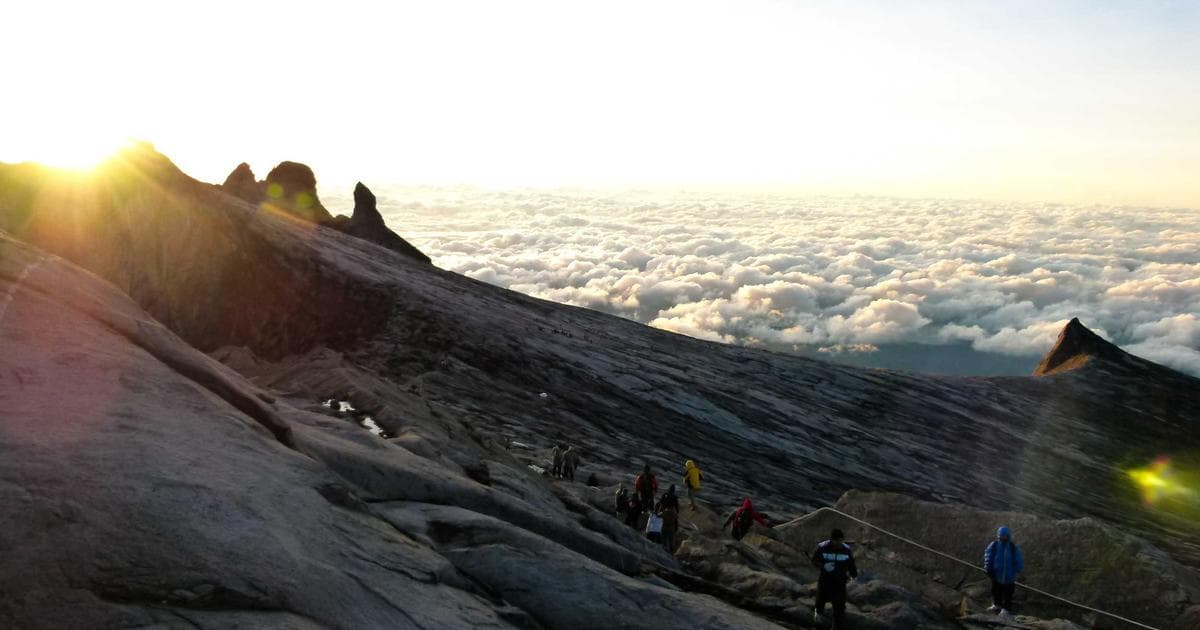
Kilimanjaro Routes Compared: Machame vs Marangu vs Lemosho
Categories
Tags
Of Kilimanjaro's three classic routes, Lemosho (8 days, camping, western start) has the best acclimatization schedule and the highest summit rates — around 90% is widely quoted; Machame (6-7 days, camping, southern start) is the best-value all-rounder with strong scenery and a good climb-high-sleep-low profile; Marangu (5-6 days, the only route with huts) is the cheapest and gentlest underfoot but has the weakest acclimatization on its short itinerary. If you can afford the days, take Lemosho; if you want value, take 7-day Machame; take Marangu for huts — but always the 6-day version.
Three routes, one summit
All three classic routes end at Uhuru Peak, 5,895 m. What you are choosing between is how many nights your body gets to adapt, what you sleep in, how crowded the trail is, and what it costs. That's it — and the first of those matters far more than the other three, because altitude, not fitness, is what turns people around on Kilimanjaro.
| Machame | Marangu | Lemosho | |
|---|---|---|---|
| Days | 6–7 (take 7) | 5–6 (take 6) | 7–8 (take 8) |
| Sleeping | Tents | Huts | Tents |
| Start | South (Machame Gate) | South-east (Marangu Gate) | West (Londorossi Gate) |
| Trail shape | Loop (down Mweka) | Out-and-back | Loop (down Mweka) |
| Crowds | Busiest | Moderate | Quiet start, merges day 3 |
| Acclimatization | Good (Lava Tower saw-tooth) | Weak on 5-day; fair on 6 | Best |
| Typical summit rate* | High on 7-day | Lowest on 5-day (often quoted <50%) | ~90% on 8-day |
| Value price from* | ~US$1,800–2,200 | ~US$1,600–2,000 | ~US$2,000–2,500 |
* Operator-reported figures and typical value-end pricing at the time of writing; park tariffs change periodically — confirm with your operator.
The case for each
Machame — the best-value all-rounder. Its day-3 climb to Lava Tower (4,630 m) with a descent to sleep at Barranco (3,960 m) is the single most useful acclimatization day on any short itinerary, and the southern-circuit scenery — Shira views, the Barranco Wall, five climate zones — is the mountain's classic highlight reel. The cost is company: it is the most-walked camping route.
Marangu — the comfort pick and usually the cheapest. The only route with hut accommodation (Mandara, Horombo, Kibo), the gentlest gradients, and the best choice in rainier months when tents lose their charm. Its 5-day version, however, is the fastest ascent profile on the mountain and posts the lowest summit rates; the 6-day version with the Horombo acclimatization day is the only one worth booking. You also walk the same trail both ways.
Lemosho — the one to pick if the summit is the point. A quiet western start across the Shira Plateau, two extra nights of adaptation over 6-day itineraries, and the highest widely-quoted summit rates of the classic lines. It costs the most because it takes the longest — every day on the mountain carries park fees and crew wages.
How to actually decide
- Fix your days first. Under 7 days total on the mountain? Take 7-day Machame or 6-day Marangu — do not compress Lemosho.
- Summit odds the priority? 8-day Lemosho, and it isn't close.
- Dreading tents, or climbing in a wet month? 6-day Marangu.
- Budget capped? 6-day Marangu or 7-day Machame — but never save money by cutting the acclimatization day; cut elsewhere.
All three are currently bookable on Adventure Knit with professional mountain crews and real dates:
- 7 Days Climb Kilimanjaro — Machame Route
- Mt. Kilimanjaro Climbing: 6 Days Marangu Route
- Kilimanjaro Lemosho Route Trek: 8-Day Itinerary
Everything else running in the country is on the Tanzania tours page, and the companion guides — including pairing a climb with a northern-circuit safari — are on our Tanzania hub.
Whichever route you choose
Walk slowly from day one, drink three to four litres a day, report symptoms to your guide early, and buy insurance that explicitly covers trekking to 6,000 m. Train with long, consecutive hill days rather than gym sessions. And plan margin: arrive in Tanzania a full day before the climb, and leave a buffer day after it — summit day runs 12–16 hours, and your knees will want the rest before a safari or a flight.
Frequently Asked Questions
Among the classic routes, the 8-day Lemosho itinerary — operators widely quote summit rates around 90%, driven by its extra acclimatization nights. Seven-day Machame sits close behind. The lowest figures belong to the 5-day Marangu itinerary, often quoted below 50%, because it reaches the summit fastest with the least adaptation time.
Marangu, usually: fewer days of park fees and huts instead of a full camping operation, with supported 6-day climbs starting around US$1,600-2,000. Machame typically starts around US$1,800-2,200 for 7 days and Lemosho around US$2,000-2,500 for 8. On every route, the days on the mountain — each carrying park fees and crew wages — are the main driver of price.
Seven-day Machame or 8-day Lemosho. Both carry a real climb-high-sleep-low day and enough nights for adaptation, which matters far more to a first-timer's summit chances than trail difficulty. Marangu's huts appeal to first-timers, but only its 6-day version deserves consideration.
Yes — Uhuru Peak at 5,895 m, the highest point in Africa. Machame and Lemosho merge on the southern circuit and summit from Barafu Camp via Stella Point; Marangu summits from Kibo Hut via Gilman's Point, joining the same crater rim from the east.
Two to four months for most dates, longer for the January-February and July-September peaks — especially on Marangu, whose fixed hut capacity genuinely sells out. Booking earlier also leaves time to train and to arrange insurance that covers trekking to 6,000 m.
Adventure Knit Editorial
Destination research compiled and fact-checked by the Adventure Knit editorial team from published sources, operator itineraries, and official tourism boards. Spot something out of date? Tell us at hello@adventureknit.com.
Related Stories
 Tanzania
Kilimanjaro's Lemosho Route: The Quiet Way to the Roof of Africa
A practical guide to Kilimanjaro's Lemosho Route: the 8-day itinerary, the Shira Plateau crossing, why its summit rates are the highest of the classic routes, costs and packing.
 Tanzania
Climbing Kilimanjaro via the Machame Route: The Whiskey Route Explained
A practical guide to Kilimanjaro's Machame Route: the day-by-day profile, why 7 days beats 6, the Barranco Wall, costs, packing, and how it compares to Marangu and Lemosho.
 Tanzania
Kilimanjaro's Marangu Route: The Hut Route, Honestly Assessed
A practical guide to Kilimanjaro's Marangu Route: the only route with huts, the real story behind the 'easiest route' label, why 6 days beats 5, costs and packing.
Enjoyed this article?
Explore more stories from our adventures around the world