
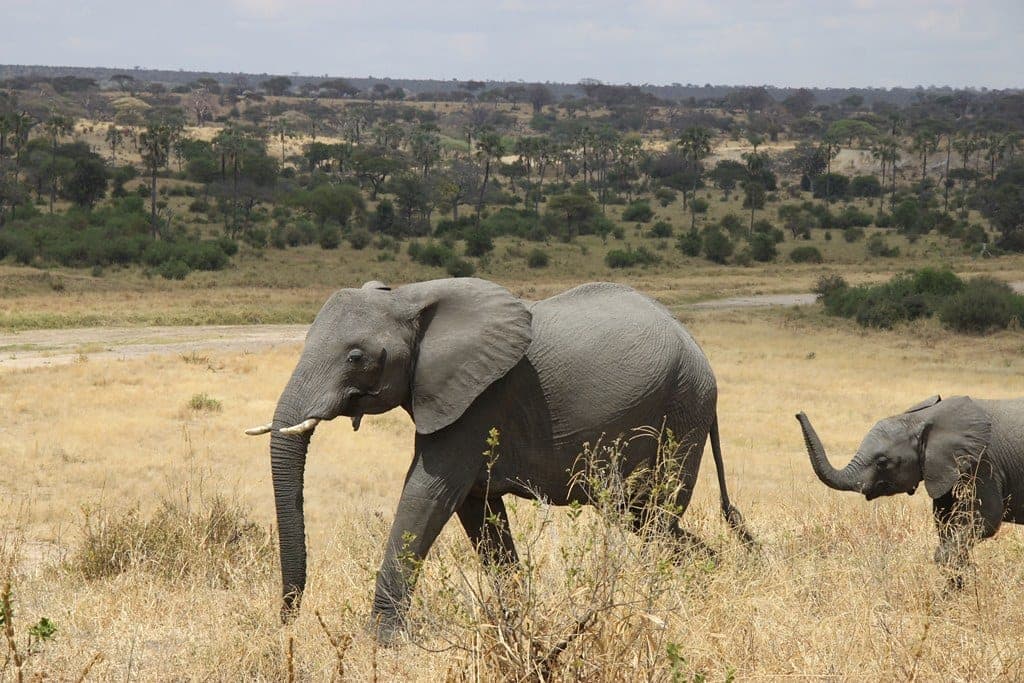
Tarangire National Park: Baobabs, Big Elephant Herds and the Quiet Corner of the Northern Circuit
Categories
Tags
Tarangire National Park lies about two hours' drive south-west of Arusha and protects roughly 2,850 km² of baobab-studded savannah along the Tarangire River. It is famous for elephants — in the June-October dry season the river draws some of the largest concentrations in northern Tanzania, with herds of several hundred at a time — plus lion, leopard, cheetah, buffalo and huge birdlife. Because migratory animals disperse when the rains come, the dry season is decisively the best time. Most visitors give it one to two days at the start of a northern-circuit safari with Serengeti and Ngorongoro.
The park the crowds drive past
Most northern-circuit itineraries race from Arusha toward the Serengeti's headline act. Tarangire, two hours from town, is where the unhurried ones start instead — and in the dry season it delivers some of the most concentrated big-mammal viewing in the country.
The reason is hydrological. The Tarangire River keeps flowing when everything around it has dried, and from June to October it acts as a drain plug for an ecosystem far larger than the park's roughly 2,850 km²: elephant herds hundreds strong, columns of zebra and wildebeest, buffalo, and the predators that follow them, all pressed into the river corridors. Between them stand the baobabs — vast, centuries-old trees that elephants strip in the dry months — which give Tarangire a look no other park on the circuit has.
What you'll actually see
Elephants are the certainty. Dry-season density along the river is among the highest in northern Tanzania, with family herds mixing into aggregations of several hundred. You will see interactions here — mud-bathing, river crossings, squabbling teenagers — that shorter elephant encounters elsewhere don't offer.
Cats are present but earn their sightings. Lion prides live along the river system, leopards keep to the woodland, and cheetah favour the open south. Tarangire's lions do climb trees at times, though less famously than Lake Manyara's.
Birdlife is enormous — over 500 recorded species, from yellow-collared lovebirds (a Tanzanian endemic) to kori bustards and dense raptor traffic. Even non-birders notice.
The park's swamps in the south — Silale and its neighbours — stay green longest and act as a second magnet late in the dry season; itineraries with two days can reach them.
When to go (this one is genuinely seasonal)
Tarangire has one of the sharpest seasonal swings of any Tanzanian park:
- June–October (dry): the show described above. This is the answer.
- November–May (rains): migratory game disperses outside the park boundaries; viewing is thinner, though elephants never vanish entirely, the landscape turns green, and lodges discount. Fine as a quiet add-on, wrong as the main event.
How it fits an itinerary
Tarangire slots naturally into the classic loop: Arusha → Tarangire → Serengeti → Ngorongoro → Arusha. Its position two hours from Arusha makes it the logical day-one park while you settle into safari rhythm before the longer drives west.
That is exactly the shape of the 4 Days Budget Safari — Tarangire, Serengeti & Ngorongoro currently listed on Adventure Knit: a day along the Tarangire River, the Serengeti's plains, and a descent into Ngorongoro Crater, in a 4x4 with a professional driver-guide. For the same circuit with premium tented camps, the 6 Days Tanzania Experience in Luxury Tented Camp adds Lake Manyara and more time in each park.
Everything currently bookable in the country is on the Tanzania tours page, and the companion guides — Serengeti, Ngorongoro Crater, Lake Manyara, and the full northern-circuit overview — are on our Tanzania hub.
Practical notes
- Park fees are charged per 24 hours and change periodically — your operator's quote should include them; confirm what's covered.
- Game drives start early. The river corridors are busiest with wildlife (and emptiest of vehicles) before 09:00.
- Tsetse flies live in the woodland: long sleeves in neutral colours help — they are drawn to blue and black.
- Bring binoculars. Tarangire's distances are wider than Ngorongoro's; a decent pair changes the day.
- Pair it with the dry season if Tarangire is a priority. If you're travelling in the green season, weight your days toward Ngorongoro and the southern Serengeti instead.
Frequently Asked Questions
Elephants and baobabs. In the dry season the Tarangire River is the only reliable water for a huge surrounding ecosystem, concentrating elephant herds that rank among the largest in northern Tanzania, alongside buffalo, zebra and wildebeest. The park's giant baobab trees — some centuries old — give it a landscape unlike anywhere else on the circuit.
June to October, without much debate. Tarangire is strongly seasonal: in the dry months wildlife packs in along the river, and in the November-May rains much of it disperses across the wider ecosystem outside the park. Green-season visits are quieter and beautiful but game viewing is thinner.
Roughly 120 km — about a two-hour drive on tarmac, which makes it the natural first or last park on a northern-circuit itinerary out of Arusha.
One full day is the standard and works well; two lets you reach the quieter southern reaches of the park, which few day visitors see. On a typical four-day Tanzania safari, Tarangire gets a day before the itinerary moves on to Serengeti and Ngorongoro.
Tarangire's lions do climb trees at times, and the park is one of the places rock pythons are occasionally seen draped in branches — but neither is a reliable sighting; treat them as luck rather than a promise. Elephants, by contrast, are close to guaranteed in the dry season.
Adventure Knit Editorial
Destination research compiled and fact-checked by the Adventure Knit editorial team from published sources, operator itineraries, and official tourism boards. Spot something out of date? Tell us at hello@adventureknit.com.
Related Stories
 Tanzania
Lake Manyara National Park: Tree-Climbing Lions, Flamingos and the Groundwater Forest
A practical guide to Lake Manyara National Park, Tanzania: the famous tree-climbing lions, flamingo flocks on the soda lake, the groundwater forest, and how a half-day here fits a northern-circuit safari.
 Tanzania
Serengeti Migration Tanzania: The Great Wildlife Spectacle
Expert guide to witnessing the Great Migration in Serengeti National Park, Tanzania. Wildebeest migration, river crossings, predator action, and best viewing times.
 Tanzania
Tanzania's Northern Circuit: How to Plan the Classic Safari Loop
The Tanzania Northern Circuit explained: how Tarangire, Lake Manyara, Serengeti and Ngorongoro fit together, how many days each deserves, lodge vs tented camp vs budget camping, and sample itineraries.
Enjoyed this article?
Explore more stories from our adventures around the world